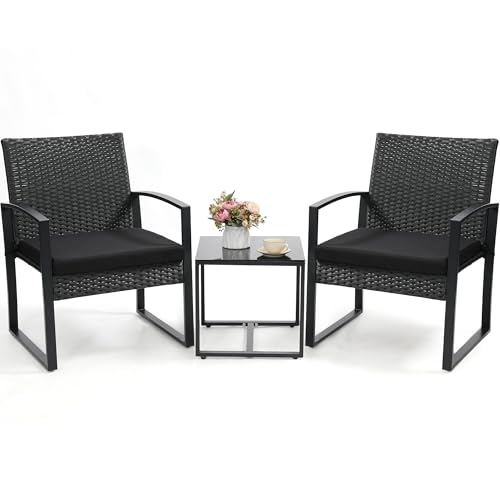
2 Person Outdoor Table and Chair Set: The Complete Buying Guide
Compact, comfortable, and built for shared moments. Learn how to choose a two-person patio dining set that fits your space, climate, and lifestyle — and get every detail right before you buy.
Explore Top PicksWhy a two-person set deserves careful thought: A set built for two is not simply a scaled-down version of a large dining set. Proportions, chair depth, table height, and material choice all change when the table is smaller. This guide walks you through those differences so your purchase works for years, not just for one season.
What Makes a Two-Person Outdoor Set Different
A two-person outdoor table and chair set is designed around intimacy and efficiency. Standard four- and six-person tables are sized to host, while a set for two focuses on comfort within a tight footprint. That shift affects nearly every design decision, from table diameter to chair armrest clearance.
The most common configurations are round bistro tables between 24 and 36 inches in diameter and square tables roughly 28 to 32 inches per side. Both comfortably seat two adults with room for plates, glasses, and a small centerpiece. If you plan to serve full meals regularly rather than coffee and snacks, lean toward the larger end of that range.
Clearance matters as much as the table itself. Plan for at least 30 inches of space around the set so chairs can slide back without hitting a wall or railing. On a narrow balcony, a folding or stacking chair design can be the difference between a usable space and a cramped one. If your layout is especially tight, our guide to a 3-piece patio set for small spaces covers compact configurations in more detail.
Table Size at a Glance
| Configuration | Typical Dimensions | Best For |
|---|---|---|
| Compact bistro round | 24–30 in diameter | Balconies, coffee and breakfasts |
| Standard round for two | 30–36 in diameter | Full meals, everyday dining |
| Square set | 28–32 in per side | Corners, tight rectangular spaces |
| High-top bar set | 24–32 in wide, 36–42 in high | Standing socializing, views over railings |
High-top sets deserve a special mention for balconies with solid walls or railings. The raised seat height puts you above the barrier line, which transforms the view. The trade-off is that bar-height chairs are harder to climb into for some users, so consider who will use the set most often. Our outdoor high-top table set guide covers this category in depth.
Material Choice: The Decision That Lasts Longest
Material determines how much maintenance the set needs, how heavy it is to move, and how well it survives your local weather. There is no universally best material — only the best match for your conditions.
Metal: Cast Aluminum and Powder-Coated Steel
Metal frames dominate the two-person category because they are sturdy without being bulky. Cast aluminum is lightweight and will not rust, making it the most forgiving choice for humid or coastal climates. Powder-coated steel is heavier and very rigid, which helps on windy decks. Look for a rust-proof finish and stainless steel hardware at the joints; that detail separates durable construction from frames that loosen within a season.
Metal sets handle rain well and need little beyond occasional washing. They can get hot in direct afternoon sun, so a shade solution is worth planning alongside the furniture.
Wood: Teak, Acacia, and Eucalyptus
Wood brings warmth that metal and resin cannot match. Teak is the top-tier choice for natural weather resistance thanks to its dense grain and natural oils. Acacia and eucalyptus sit in the mid-range and perform well with annual sealing. All wood sets benefit from a breathable cover during off-season storage and a light sanding and oil application every year or two, depending on exposure.
If you want wood, check that the tabletop slats have gaps for drainage. Standing water is the most common cause of premature wear on outdoor wood furniture.
Wicker and Rattan
Wicker sets over an aluminum frame deliver a relaxed, textured look that pairs well with cushions. All-weather resin wicker holds up better than natural rattan outdoors. These sets are best for covered patios or porches, since prolonged direct rain can degrade the weave over time. Pair them with quick-drying cushions and bring those cushions inside during heavy weather.
Resin and Plastic
Resin sets are the lightest option and the easiest to move, which matters if you reconfigure your patio often. Entry-level resin can fade under intense UV exposure, while higher-grade resin is formulated to resist color loss. They are a practical choice for renters and seasonal setups.
Essential Tier
Entry-level folding bistro sets, basic resin frames, and stackable chairs. Well-specified for occasional use and small balconies.
Balanced Tier
Powder-coated steel and cast aluminum sets with thicker tabletops and better cushions. A solid choice for year-round daily use.
Top-Tier
Teak, high-grade cast aluminum, and designer bistro sets with premium materials and refined joinery. Long-term investment territory.
Chair Design: Where Comfort Is Won or Lost
Most buyers focus on the table and treat chairs as an accessory. In practice, chairs drive comfort far more than the tabletop does, because you sit in them for the entire meal.
Seat height should match the table. Standard dining tables sit around 28 to 30 inches high and pair with chairs at roughly 17 to 19 inches seat height. High-top sets use tables at 36 to 42 inches with chairs around 24 to 30 inches. Mismatched heights force you to lean or hunch, so always buy the set as a matched pair rather than mixing pieces.
Armrests add comfort for longer meals but take up width. On a narrow balcony, armless chairs let you tuck the set closer to a wall. Swivel chairs are a favorite in small spaces because you can turn to face a view without pushing back from the table. If that appeals to you, browse our bistro set with swivel chairs options.
Finally, check the weight rating and frame construction of the chairs. A reinforced frame with cross-bracing under the seat is a hallmark of durable construction, and it is often the first thing to fail on lower-grade sets.
Shade and Weather: Planning the Full Setup
A two-person set in full afternoon sun becomes unusable without shade. Because the table is small, a center-pole umbrella can eat up most of the surface area. Two alternatives work better at this scale: a clamp-on umbrella that attaches to the table edge, or a freestanding offset umbrella positioned beside the set.
Offset umbrellas need a weighted base to stay stable in wind, and the base footprint should be factored into your layout. For a broader comparison of coverage options, see our guide to cantilever umbrellas with weighted bases. If you want evening ambiance as well, a solar-lit model removes the need for nearby power.
Wind is the other variable. Light resin sets can shift in strong gusts, while cast aluminum and steel stay put. On an exposed deck, choose a heavier frame or plan to store the set during storm season. A fitted cover sized to the exact set — not a loose tarp — protects the finish and keeps debris out of the tabletop seams.
Where a Two-Person Set Fits Best
These sets shine in spaces where larger furniture would overwhelm the layout:
- Apartment balconies — a 24 to 30 inch bistro table leaves room to walk around and often fits a small planter too.
- Front porches — a welcoming spot for morning coffee; a set of two chairs and a table suits a porch's proportions naturally.
- Patio corners and nooks — fills dead space beside a larger lounge area without crowding it.
- Poolside and garden spots — a shaded reading and dining point away from the main house.
- Small decks — pairs well with a grill and a storage bench along one edge.
If your space is strictly a porch, our guide to a two-chair and table setup for a front porch focuses on that use case specifically.
Durability and Care: Making the Set Last
A well-chosen two-person set should serve for many seasons with modest upkeep. The routine is simple and worth building into your calendar:
- Weekly in season: wipe the tabletop and chair frames with mild soap and water; clear debris from tabletop gaps.
- Monthly: check bolts and tighten any that have loosened from temperature swings.
- Seasonally: clean cushions according to their care labels and let them dry fully before storage.
- Annually: reseal wood surfaces and touch up any scratches on powder-coated metal to prevent corrosion from starting.
- Before winter: clean, dry, and cover the set with a breathable cover; store cushions indoors.
A breathable cover matters more than a waterproof one. Trapped moisture under a non-breathable tarp causes more damage than rain alone. For a full seasonal routine, see our weatherproofing guide.
Common Mistakes to Avoid
Most disappointing purchases trace back to one of these oversights:
- Buying by tabletop size alone. Account for chair pull-out space and armrest width before deciding.
- Ignoring seat height matching. Mixing a standard table with bar-height chairs ruins the ergonomics.
- Skipping the umbrella plan. A small table plus a center umbrella leaves almost no usable surface.
- Choosing a light set for a windy spot. Weight and frame rigidity are your stability insurance.
- Forgetting storage. Cushions and covers need somewhere to go in the off-season.
Frequently Asked Questions
What size outdoor table and chair set is best for two people?
A round table between 30 and 36 inches in diameter is ideal for two people. Square tables around 28 to 32 inches per side also work well. Allow roughly 24 inches of table width per person for comfortable dining, and leave at least 30 inches of clearance around the set for chairs to pull out.
Which material is best for a two-person outdoor dining set?
Cast aluminum and powder-coated steel offer the best balance of durability and low maintenance. Teak and acacia bring natural warmth but need periodic sealing. Wicker and rattan over a metal frame suit covered patios, while resin sets are the lightest and easiest to move. Choose based on your climate, storage options, and how much upkeep you are willing to do.
Can a 2 person patio set fit on a small balcony?
Yes. Bistro sets with 24 to 30 inch round or square tables are designed for compact spaces. Folding or stacking chairs free up floor area when not in use, and a set with a small footprint can leave enough room to walk around comfortably on a typical apartment balcony.
Do I need a table with an umbrella hole for a two-person set?
An umbrella hole is useful if the set sits in direct sun for long periods. For a table this small, a clamp-on or freestanding offset umbrella often provides better coverage than a center-pole model. If your patio is shaded or covered, a solid tabletop gives you more usable surface area.
How do I protect a two-person outdoor table and chair set in winter?
Clean and dry the set thoroughly, then cover it with a breathable, water-resistant furniture cover sized to fit. Store cushions indoors. Metal frames can stay outside in most climates with a good cover, while wood and wicker benefit from being moved to a shed or garage during prolonged freezing or wet weather.
Bottom line: Start with your space and climate, then choose a material tier that matches how much maintenance you want. Confirm chair height matches the table, plan shade before you buy, and the set will earn its place on your patio for years. When you are ready to compare specific models, the recommendations below are a practical starting point.