
Wood Sealants: The Complete Guide to Protecting Your Outdoor Wood Furniture
Everything you need to know about choosing, applying, and maintaining wood sealants for patio furniture, decks, and garden structures—so your wood investments last for years.
Explore Sealant TypesWhy wood sealants matter: Outdoor wood furniture faces constant assault from sun, rain, temperature swings, and moisture. Without proper protection, even the most durable hardwood will fade, crack, warp, and rot. A quality wood sealant creates a protective barrier that repels water, blocks UV rays, and preserves the natural beauty of your wood patio furniture for years to come. This guide walks you through every decision—from understanding sealant types to application techniques and long-term maintenance.
Why Outdoor Wood Needs a Sealant
Wood is a natural, porous material. When left unprotected outdoors, it absorbs moisture during rain and releases it during dry spells. This constant cycle of swelling and shrinking causes grain raising, cracking, and eventually structural failure. UV radiation from sunlight breaks down lignin—the natural polymer that holds wood fibers together—causing the surface to turn gray and develop a weathered, splintered texture.
Wood sealants solve these problems by forming a protective layer on or within the wood fibers. Depending on the formulation, a sealant can:
- Repel water — preventing moisture absorption and the resulting swelling, warping, and rot.
- Block UV radiation — slowing the graying and degradation process caused by sunlight.
- Resist mildew and mold — many sealants include additives that inhibit fungal growth in damp conditions.
- Enhance appearance — whether you prefer a natural, clear finish or a rich, tinted look, sealants can deepen wood grain and add luster.
- Simplify cleaning — a sealed surface resists dirt, pollen, and stains, making routine maintenance easier.
If you own wood patio furniture, a wood dining table with bench, or wood Adirondack chairs, sealing is not optional—it is the single most important step in preserving your investment.
Types of Wood Sealants: Which One Is Right for You?
Wood sealants fall into several broad categories, each with distinct strengths and ideal use cases. Understanding these differences is essential before you choose a product for your wood furniture.
1. Penetrating Oil Sealants
Penetrating oils soak into the wood fibers rather than forming a surface film. They nourish the wood from within, providing water repellency and a natural look. Common types include linseed oil, tung oil, and blended oil formulations.
✓ Advantages
- Deep penetration protects from within
- Natural, non-film appearance
- Easy to spot-repair without stripping
- Enhances wood grain and color
✗ Considerations
- Requires more frequent reapplication
- Limited UV protection without additives
- Longer curing time for some formulations
2. Film-Forming Sealants (Polyurethane and Varnish)
These sealants create a hard, protective coating on the wood surface. Polyurethane and spar varnish are the most common examples. They offer excellent water resistance and a glossy or satin finish.
✓ Advantages
- Superior water and moisture barrier
- Durable, long-lasting surface protection
- Available in gloss, satin, and matte finishes
- Good for high-traffic surfaces like tabletops
✗ Considerations
- Can crack and peel if wood moves beneath
- Requires careful surface preparation
- Difficult to repair localized damage
- Solvent-based versions have strong fumes
3. Water-Based Sealants
Modern water-based sealants have improved dramatically. They offer low odor, fast drying times, and easy soap-and-water cleanup. Many water-based products now include UV inhibitors and mildewcides.
✓ Advantages
- Low VOC and minimal odor
- Fast drying and recoat times
- Easy cleanup with water
- Environmentally preferable formulation
✗ Considerations
- May require more frequent reapplication than oil-based
- Some formulations raise wood grain
- Less deep penetration than oils
4. Exterior Wood Stains with Sealant Properties
Many exterior wood stains combine pigment with sealant technology. These products color the wood while providing water and UV protection in a single step. They are ideal for those who want to change or refresh the look of their furniture while protecting it.
For a broader discussion of protecting wood surfaces across your outdoor space, see our complete wood sealants guide—the very page you are reading—and explore related topics like weatherproofing your outdoor furniture.
Sealant Quality Tiers: A Side-by-Side Comparison
Sealants can be grouped into quality tiers based on formulation, durability, and performance features. The table below helps you understand what to expect at each tier. Remember: higher tiers generally offer longer service life and better protection, but the best choice depends on your wood type, climate, and maintenance preferences.
| Tier | Category | Best For | Key Characteristics | Expected Service Life |
|---|---|---|---|---|
| Entry-Level | Basic oil or water-based sealers | Light-duty furniture, covered porches, seasonal use | Basic water repellency; minimal UV additives; simple formulations | 12–18 months |
| Mid-Range | Enhanced oil blends or hybrid sealers | Patio dining sets, benches, regular outdoor exposure | Improved UV blockers; mildew resistance; better penetration or film formation | 18–24 months |
| Premium | High-performance film-forming or deep-penetrating sealants | Premium hardwood furniture, high-sun or wet climates | Advanced UV packages; superior water beading; longer recoat cycles; enhanced color retention | 24–36 months |
| Luxury | Professional-grade or marine-grade sealants | Luxury teak, mahogany, or ipe furniture; coastal environments | Maximum UV and moisture protection; specialized formulations for exotic hardwoods; exceptional durability | 36+ months (with proper maintenance) |
Key Features to Evaluate Before You Choose
Beyond the broad category, specific product features determine how well a sealant will perform for your situation. Here are the critical factors to consider:
UV Protection
Look for sealants with added UV inhibitors or pigments. Clear sealants with UV blockers preserve natural color; tinted products offer stronger defense against sun damage.
Water Repellency
Test how well the product beads water. Premium sealants cause water to bead and roll off, while entry-level products may allow more absorption over time.
Mildew Resistance
In humid climates, choose a sealant with built-in mildewcides. These additives prevent fungal growth that can stain and weaken wood.
Drying Time
Water-based products typically dry in 1–2 hours; oil-based may take 24–48 hours. Faster drying means quicker recoating and less downtime.
Finish Appearance
Choose between clear, satin, semi-gloss, and gloss finishes. Clear preserves natural wood tone; tinted products can refresh faded furniture.
Compatibility
Ensure the sealant is compatible with your wood species and any existing finish. Some exotic hardwoods require specialized formulations for proper adhesion.
How to Apply Wood Sealant: A Step-by-Step Guide
Proper application is just as important as product selection. Follow these steps to ensure your sealant performs as intended and lasts as long as possible.
- Clean the surface thoroughly. Remove dirt, pollen, and old finish residue using a mild detergent solution and a soft-bristle brush. Rinse and allow the wood to dry completely—usually 24–48 hours.
- Sand lightly if needed. For smooth wood, a light sanding with 120–150 grit opens the pores and improves adhesion. Wipe away all dust with a tack cloth.
- Test on a hidden area. Apply a small amount to an inconspicuous spot to check color, finish, and compatibility before treating the entire piece.
- Apply the first coat. Use a natural-bristle brush, foam applicator, or sprayer according to the product instructions. Work in the direction of the grain, maintaining a wet edge to avoid lap marks.
- Allow proper drying time. Follow the manufacturer's recommended recoat time—typically 2–4 hours for water-based, 12–24 hours for oil-based.
- Apply a second coat. Most sealants benefit from two coats for optimal protection. Sand lightly between coats if the surface feels rough.
- Cure completely before use. Wait at least 24–72 hours (depending on the product) before placing cushions, using the furniture, or exposing it to rain.
- Maintain regularly. Inspect your furniture every few months. Reapply sealant when water no longer beads on the surface—typically every 12–36 months depending on the product tier and climate.
Maintenance and Reapplication Schedule
Even the best sealant degrades over time. Sun, rain, and foot traffic gradually wear away the protective layer. Knowing when to reapply is key to preventing damage.
Signs it is time to reseal:
- Water no longer beads on the surface—it soaks in or spreads flat.
- The wood looks dull, gray, or faded compared to its original appearance.
- You notice small cracks or surface checking beginning to form.
- It has been more than 18–24 months since the last application (for mid-range products).
For routine care, clean your sealed furniture with a mild soap solution and a soft cloth. Avoid harsh chemicals or pressure washing, which can strip the sealant. For deeper maintenance guidance, explore our outdoor care resources and wood furniture care guide.
Frequently Asked Questions About Wood Sealants
How often should I apply wood sealant to outdoor furniture?
Most outdoor wood furniture benefits from reapplication every 12 to 24 months, depending on climate, sun exposure, and the type of sealant used. In harsh conditions—coastal areas, intense sun, or frequent rain—annual reapplication may be necessary. Premium and luxury tier sealants can last longer, often 24–36 months or more with proper maintenance.
What is the difference between oil-based and water-based wood sealants?
Oil-based sealants penetrate deeply into wood fibers, providing rich color and excellent water resistance, but they have longer drying times and stronger odors. Water-based sealants dry faster, have low odor, and offer easy cleanup, though they may require more frequent reapplication. Water-based products have improved significantly and now offer excellent UV protection and durability.
Can I apply wood sealant over stained or painted wood?
Yes, but the surface must be properly prepared. For painted surfaces, use a clear sealant compatible with the existing paint. For stained wood, choose a sealant that matches the stain type—oil-based sealants over oil stains, water-based over water-based stains. Always test on a small hidden area first and ensure the existing finish is sound and well-adhered.
What is the best wood sealant for UV protection?
Sealants with added UV inhibitors or pigments provide the best sun protection. Transparent sealants with UV blockers preserve natural wood color while slowing the graying process. Pigmented or tinted sealants offer superior UV defense by physically blocking sunlight. For maximum protection in high-sun environments, choose a premium or luxury tier product with a proven UV protection package.
Can I use the same sealant on all types of outdoor wood?
Not always. Different wood species have different densities and oil content. Exotic hardwoods like teak, ipe, and mahogany often require specialized sealants formulated for dense, oily woods. Softer woods like pine or cedar may need different formulations. Always check the product label for wood compatibility, and consider consulting our wood furniture guide for species-specific advice.
Is it better to seal new wood furniture immediately or wait?
New, untreated wood should be sealed as soon as possible—ideally within a few days of bringing it home. However, some manufacturers apply a factory finish that should be allowed to cure fully before adding another layer. Check with the manufacturer's recommendations. If the furniture is bare wood, sealing immediately protects it from day one.
Ready to Protect Your Wood Furniture?
Now that you understand the types, tiers, and application methods, you can choose the right sealant with confidence. Explore our curated selection of recommended wood sealant products below—each chosen for performance and reliability.
View Recommended SealantsTop-Rated Wood Sealants for Outdoor Furniture
⚠️ AFFILIATE DISCLOSURE: This website contains affiliate links. As an Amazon Associate, we earn from qualifying purchases. If you make a purchase through these links, we may receive a small commission at no additional cost to you. Read our full affiliate policy.

Seal-Once Nano+Poly Wood Sealer and Waterproofer, Clear, 1 Gallon | With Polyurethane, Water-based, Low-VOC, Waterproofer & Stain, For Decks, Fences & Log Homes
Check price on Amazon
Olympic WaterGuard 11 oz Clear Waterproofing Wood Sealer | Exterior Deck, Fence, Concrete & Brick Sealant, Water Repellent UV Protection
Check price on Amazon
Polyurethane Wood Finish Water Based Polyurethane Clear Gloss Wood Protection Polyurethanes Waterproof Coating, Fast Dry Polyurethanes Sealant, Easy Clean Up 100ml
Check price on Amazon
SEAL-ONCE Marine Penetrating Wood Sealer and Waterproofer, Clear, 1 Gallon | Waterproofer & Stain, Water-Based, Ultra-low VOC formula, For high-moisture areas
Check price on Amazon
Waterproof Sealant, 35 Oz Transparent Waterproof Coating Indoor & Outdoor | Water Based Clear Invisible Water proof Paint For Roof, Wall,Garden, Terraces,Wood,Window, DIY Repair, Include Brush Gloves
Check price on Amazon
Garden Box Sealer | FDA Food Contact Safe Plant-Based Wood Sealant for Raised Bed, Planter & Pet House. Protects All Wood Types from Water & Weather Damage
Check price on Amazon
Thompson's WaterSeal Semi-Transparent Wood Sealer, Chestnut Brown, 1 Gallon | Exterior, Mildew Resistant, Mold Resistant, One Coat, Waterproof, Acrylic-Alkyd, Water-Based
Check price on Amazon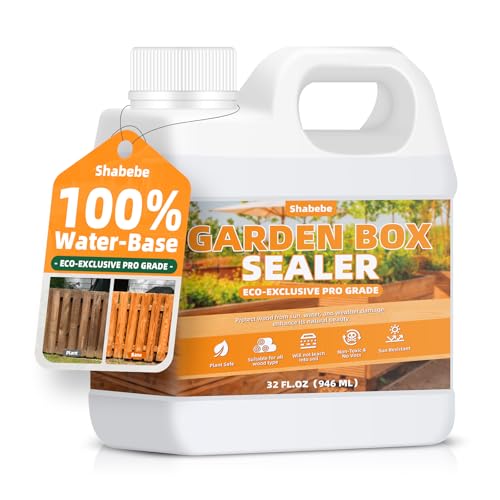
Shabebe Garden Box Sealer 32OZ/946ML, Non-Toxic & Plant-Safe Waterproofing Wood Sealer for Raised Garden Beds, Planters & Pet Shelters, Long-Lasting Protection Against Water, Sun & Weather Damage
Check price on AmazonDisclaimer
The information provided on PatioFocus is for educational and informational purposes only. We are not professional landscapers or contractors, and our content should not replace professional advice. Always consult with a qualified expert regarding structural, safety, or weather-related concerns. Some content may use AI assistance. Always check product warranties and safety standards before purchasing. If you do not agree, please do not use this website. Read the full disclaimer.