Hammocks: The Complete Buying & Relaxation Guide
Everything you need to choose, hang, and enjoy a hammock. Compare styles, materials, stands, and setup methods so you can create the ultimate outdoor retreat with confidence.
EXPLORE HAMMOCK TYPESWhy hammocks deserve a place on your patio: A hammock transforms unused outdoor space into a destination for rest. Unlike bulky furniture, a hammock delivers full-body support, natural airflow, and a gentle rocking motion that promotes relaxation. Whether you have a sprawling backyard or a compact balcony, there is a hammock configuration suited to your layout. This guide walks you through every decision point — from fabric to frame — so your first or next hammock becomes a long-term favorite.
Hammock Types: Find Your Perfect Match
The hammock category spans several distinct formats, each suited to different spaces and postures. Understanding these differences is the first step toward a purchase you will not regret.
Traditional Rope Hammocks
The classic woven rope design offers breathability and a nostalgic look. Entry-level rope hammocks use cotton or polyester; premium versions use solution-dyed acrylic or weather-resistant synthetic rope for extended outdoor life.
Best for: Two-tree setups, full-body lounging, warm climates.
Fabric Hammocks
Solid fabric beds provide a flatter, more supportive lying surface than rope. Mid-range fabric hammocks often feature reversible designs and integrated spreader bars for a roomier feel.
Best for: Side sleepers, couples, and anyone who prefers a cot-like surface.
Hammock Chairs
Also called hanging chairs, these suspended seats support an upright posture. They require far less horizontal space than a full hammock and pair beautifully with a hammock chair stand for patios and porches.
Best for: Reading nooks, small patios, balconies, and solo lounging.
Hanging Chair Beds & Egg Chairs
A hybrid between a hammock and a lounge chair, these larger suspended pieces often include cushions and canopies. A hanging chair bed adds a statement piece to spacious decks and garden corners.
Best for: Luxury lounging, poolside retreats, and design-forward patios.
Camping & Travel Hammocks
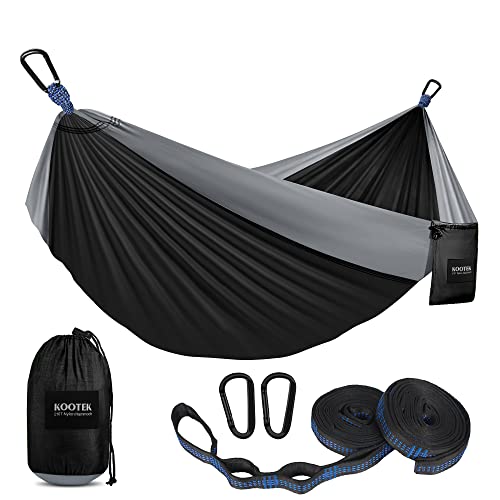
Lightweight, packable hammocks with integrated straps are ideal for hikes and impromptu backyard naps. Many double as a compact option for apartment dwellers with limited storage.
Best for: Travel, camping, and flexible outdoor use.
Indoor & Porch Hammocks
Designed for screened porches and indoor spaces, these models often use softer fabrics and decorative frames. For year-round indoor comfort, browse hammocks for indoors to compare styles that suit living rooms and sunrooms.
Best for: Sunrooms, screened porches, and indoor relaxation zones.
Materials & Durability: What to Look For
Material choice directly affects comfort, weather resistance, and lifespan. The table below compares the most common hammock fabrics and ropes using universal quality tiers rather than numeric ratings.
| Material | Tier | Best For | Care Notes |
|---|---|---|---|
| Cotton Rope | Entry-Level | Covered porches, indoor use | Store during rain; natural fibers may stretch over time |
| Polyester Rope | Mid-Range | Outdoor patios with moderate weather | Rinse occasionally; UV-resistant coatings extend life |
| Solution-Dyed Acrylic Fabric | Premium | Full sun, year-round outdoor use | Mildew-resistant; colorfast; easy to spot clean |
| Sunbrella or Equivalent Performance Fabric | Luxury | High-end patios, coastal climates | Exceptional fade and moisture resistance; long-term investment |
| Nylon Parachute Fabric | Starter Tier | Camping, travel, lightweight setups | Quick-drying; compact; not ideal for permanent outdoor hanging |
Beyond fabric, pay attention to the spreader bars, chains, and attachment hardware. Heavy-duty steel or stainless hardware resists rust and fatigue far better than painted mild steel. If your hammock will stay outdoors, prioritize rust-proof finishes and reinforced stitching at the anchor points. For a broader look at furniture built to withstand the elements, see our guide to garden furniture that can be left outside all year.
Stands, Mounts & Setup Options
How you hang your hammock matters as much as the hammock itself. There are three primary approaches:
Tree-to-Tree Hanging
The traditional method requires two sturdy trees roughly 13–15 feet apart for a full-size hammock. Use wide tree straps to protect bark and distribute weight. Avoid dead limbs and always test the anchor points before settling in.
Hammock Stands
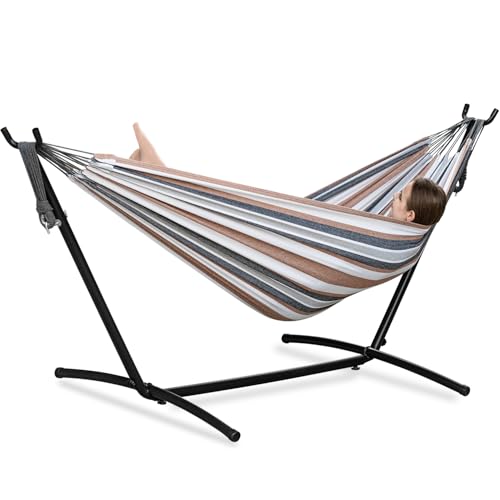
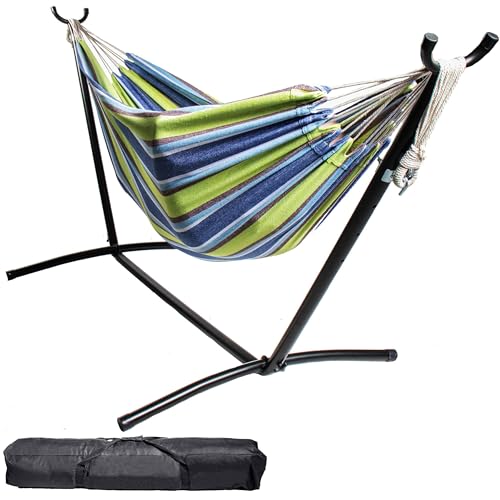
A freestanding stand removes all guesswork and lets you place your hammock anywhere on a patio or deck. A hammock on wooden stand adds rustic charm, while steel and aluminum models offer portability and weather resistance. Check the stand's rated capacity and footprint before purchasing.
Wall & Beam Mounts
Hammock chairs and smaller hammocks can hang from a single ceiling beam, porch joist, or wall bracket. This is the most space-efficient option and works well for apartments and covered patios. Always anchor into structural framing, not drywall or decorative trim.
For a hammock chair, a dedicated stand such as a hammock swing stand provides a stable, portable base without drilling into your home. If you plan to combine a hanging chair with other seating, explore hanging swings for complementary options that share the same relaxed aesthetic.
Comfort, Posture & Positioning
A well-hung hammock supports your body evenly and reduces pressure points. Here are the key adjustments that separate a comfortable setup from an awkward one:
- Hang angle: Aim for roughly a 30-degree angle from the anchor to the hammock. Too flat and the hammock feels unstable; too steep and you slide toward the center.
- Lying diagonally: In a traditional gathered-end hammock, lie slightly diagonal to achieve a flatter, more supportive posture.
- Height: The lowest point of the hammock should sit about 18 inches above the ground — high enough to avoid scraping, low enough to get in comfortably.
- Accessories: A pillow behind the knees and a small headrest dramatically improve long lounging sessions. For hammock chairs, add a lumbar cushion and consider a hammock camping chair if you want a portable version for trips.
If you are outfitting a broader relaxation zone, pair your hammock with complementary seating such as a garden lounger or a garden seat to create a layered outdoor living area.
Where to Place Your Hammock
Placement determines how often you actually use your hammock. Consider these scenarios:
- Shaded garden corner: A hammock under a tree canopy stays cooler and feels more private. Avoid low-hanging branches and ensure the anchor trees are healthy.
- Patio or deck edge: Freestanding stands work well on flat surfaces. Keep clearance around the stand so the hammock can swing freely.
- Poolside: Choose quick-drying, mildew-resistant fabric and a rust-proof stand. Position the hammock slightly away from splash zones.
- Balcony or small patio: A hammock chair or hanging egg chair uses vertical space instead of horizontal. A hanging egg chair with stand is a practical, self-contained option.
- Gazebo or pergola: Hanging a hammock chair from a gazebo beam creates a shaded retreat that stays dry in light rain.
For a complete outdoor living plan, browse our outdoor living ideas for seating, shade, and ambiance combinations that pair well with a hammock.
Care & Maintenance for Long-Term Use
Hammocks are low-maintenance, but a few habits dramatically extend their lifespan:
- Clean regularly: Rinse fabric hammocks with mild soap and water, then air-dry fully before use or storage.
- Inspect hardware: Check chains, carabiners, and straps for wear every season. Replace any component showing rust or fraying.
- Store seasonally: Natural-fiber hammocks should be brought indoors during winter or extended rain. Synthetic models tolerate more exposure but still benefit from storage during harsh weather.
- Protect your investment: A hammock cover or a quick-dry storage bag keeps fabric clean and extends its usable life. For related care advice, see our outdoor care guides.
Frequently Asked Questions
What is the difference between a hammock and a hammock chair?
A traditional hammock is a long, suspended sling designed for lying flat or diagonally. A hammock chair, also called a hanging chair, is a smaller suspended seat that supports an upright or reclined sitting posture. Hammock chairs are ideal for reading nooks and small patios, while traditional hammocks suit full-body lounging.
Do I need a stand for my hammock?
A stand is necessary if you do not have two suitable trees or posts spaced correctly. Hammock stands remove the guesswork of tree distance and protect tree bark. Many premium stands are portable and weather-resistant, making them a practical long-term investment for patios and decks.
Can hammocks stay outside all year?
It depends on the material. Solution-dyed synthetic fabrics and weather-resistant rope hammocks can remain outdoors in mild climates. Natural cotton and certain woven fabrics should be stored during heavy rain or winter. Always check the manufacturer's weather-resistance claims before leaving a hammock out permanently.
How much space do I need for a hammock?
A standard two-person hammock typically needs about 13 to 15 feet between anchor points, while single hammocks need roughly 10 to 12 feet. Hammock chairs require far less space and can hang from a single sturdy beam or stand. Measure your available span before choosing a model.
What is the most comfortable hammock material?
Comfort is subjective, but fabric hammocks tend to feel flatter and more supportive for side sleepers, while rope hammocks offer airflow and a classic cradled feel. Premium performance fabrics combine breathability with weather resistance and are generally the most versatile choice for year-round outdoor use.
Quick Buying Checklist
Before you finalize your choice, run through these checkpoints:
- Confirm your available hanging distance or stand footprint.
- Choose a fabric tier that matches your climate and storage habits.
- Verify the weight capacity suits your intended use (solo vs. shared).
- Decide between tree mounting, a freestanding stand, or a single-point hammock chair mount.
- Plan for seasonal storage or a protective cover.
- Check warranty coverage on hardware, fabric, and stands.
For related outdoor comfort pieces, you may also find inspiration in our garden furniture overview and our garden games collection for family-friendly backyard upgrades.