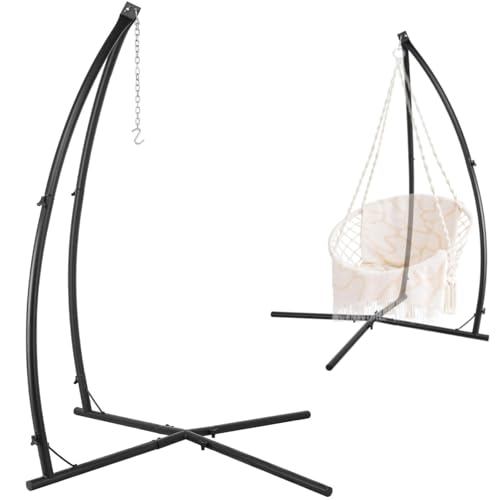
Hammock Swing Stand: Your Complete Buying Guide
Everything you need to know before choosing a hammock swing stand — from frame materials and weight capacity to portability, setup, and long-term care. Build a safer, more comfortable outdoor retreat with confidence.
Explore the GuideWhat a Hammock Swing Stand Does
A hammock swing stand is a freestanding frame designed to support a hammock or hanging swing chair without relying on trees, walls, or overhead beams. It is one of the most practical additions to a patio, deck, balcony, or garden because it lets you place your swing exactly where you want it — in the shade, facing the sunset, or next to your outdoor seating area.
Unlike a permanent post or tree-mounted setup, a freestanding stand can be repositioned, stored away during harsh weather, and assembled without drilling into structures. This makes it a popular choice for renters, apartment dwellers with balconies, and homeowners who want flexibility in their outdoor layout.
Most stands are engineered around two core components: a sturdy base frame and a suspension system — either a curved bar for traditional hammocks or a single hook for hanging chair styles. The base distributes the swing's dynamic load across a wide footprint, which is why stand dimensions and weight ratings matter far more than they might appear at first glance.
Types of Hammock Swing Stands
Stand designs vary widely depending on the type of hammock or chair they support. Understanding the main categories helps you match a stand to the way you actually plan to relax.
Traditional Hammock Stands
These feature a long, curved or angled frame with two suspension points at either end. They accommodate classic gathered-end hammocks and spreader-bar hammocks. Traditional stands are typically the longest option, so measure your available footprint carefully before choosing one. Many models include a carrying case and break down into several sections for seasonal storage.
Hammock Chair Stands
Designed for single-point hanging chairs, these stands use a C-shaped or offset frame with a single overhead arm. They are more compact than traditional stands and work well on smaller decks and balconies. Because the weight is concentrated at one point, the base must be wide and heavy enough to resist tipping — especially when the chair is occupied and swinging.
Combination and Adjustable Stands
Some frames accept both hammocks and hanging chairs, often through an adjustable arm or removable extension. These versatile options suit households that want to switch between a full-length hammock and a compact swing chair without buying two separate stands. Adjustability adds convenience but usually also adds assembly complexity.
Portable and Travel Stands
Lightweight stands made from tubular steel or aluminum are built to fold or collapse into a compact bundle. They are ideal for camping, beach trips, or temporary patio setups. Portability often trades off against maximum weight capacity, so check the rating carefully if the stand will be used by more than one person or by heavier adults.
Materials and Durability
The frame material determines how the stand handles weather, how much it weighs, how it looks, and how much maintenance it will need over the years.
Powder-Coated Steel
Steel is the most common material for hammock swing stands because it offers excellent strength-to-size ratios. A powder-coated finish protects against rust and scratches, and many steel stands are rated for year-round outdoor use. The main drawbacks are weight and the risk of rust if the coating is chipped and left untreated. Look for reinforced welds and thick-gauge tubing on higher-tier models.
Aluminum
Aluminum stands are noticeably lighter than steel and naturally resistant to corrosion, making them a strong choice for coastal areas and for anyone who needs to move the stand frequently. They may cost more within their category, but the reduced weight and low maintenance are meaningful advantages for balconies and travel use.
Wood
Wooden stands — often made from cedar, eucalyptus, or acacia — bring a warm, natural aesthetic that pairs beautifully with garden furniture. They are heavier and require periodic sealing or oiling to withstand moisture and UV exposure. A high-end tier wooden stand with quality joinery can last many seasons, but it will demand more attention than a powder-coated metal frame.
Weather-Resistant Hardware
Bolts, hooks, and chains are the weak points of any stand. Stainless steel hardware resists rust far better than standard zinc-plated fittings, especially in humid climates. When comparing stands, check whether the suspension hook is rated independently and whether replacement parts are available.
| Material | Best For | Maintenance Level | Portability |
|---|---|---|---|
| Powder-Coated Steel | Year-round patio and garden use | Low to moderate | Moderate |
| Aluminum | Balconies, coastal areas, travel | Low | High |
| Wood | Traditional garden settings | Moderate to high | Low |
| Stainless Hardware | Humid and rainy climates | Low | N/A |
Key Buying Factors
Before choosing a stand, work through these practical considerations. They are the difference between a stand that feels solid and one that frustrates you after the first season.
Weight Capacity and Dynamic Load
Check the manufacturer's stated capacity and choose a stand rated comfortably above the weight of intended users. Remember that swinging motion, getting in and out, and two-person use all increase the stress on the frame. A stand with a generous dynamic rating will feel more stable and last longer. Mid-tier and premium models usually specify separate static and dynamic capacities.
Footprint and Available Space
Traditional hammock stands are long — often over ten feet — while chair stands are more compact. Measure your patio, deck, or balcony and allow clearance for the swing's arc. Also consider the direction of the swing and whether the stand will obstruct walkways or doors. A hammock chair stand is often a better fit for tight urban spaces.
Height and Clearance
The suspension point height affects comfort. Too low and the hammock drags; too high and getting in becomes awkward. Chair stands usually have a fixed overhead height, while some traditional stands offer adjustable arms. Check the recommended hammock length range before pairing a stand with an existing hammock.
Portability and Storage
If the stand will live outdoors permanently, portability matters less. But if you plan to move it between a patio and a garden, or store it during winter, look for tool-free assembly, sectional frames, and a carry bag. Portable stands with folding legs are especially convenient for seasonal use.
Assembly and Included Hardware
Read the assembly notes carefully. Most stands require basic tools and two people for safe setup, particularly larger steel frames. Confirm that all necessary bolts, hooks, and chains are included, and check whether the stand ships with a hammock or chair — many do not, so the stand and swing are purchased separately.
Stability Features
Wide base feet, anti-slip pads, and reinforced joints all contribute to stability. Some stands include ground anchors or weighted feet for windy locations. If your area experiences strong gusts, look for a heavy-duty frame and consider anchoring the base or storing the stand during storms.
Tier Comparison
Hammock swing stands fall into recognizable quality tiers. Use this table to align your expectations with the type of stand you are considering — without relying on specific figures.
| Tier | Typical Characteristics | Best For |
|---|---|---|
| Entry-Level | Lighter tubing, simpler joints, basic powder coating | Occasional use, small balconies, first-time buyers |
| Mid-Range | Thicker steel or aluminum, reinforced welds, better hardware | Regular seasonal use, families, most patios and decks |
| Premium | Heavy-duty frame, stainless hardware, weather-resistant finish | Year-round outdoor placement, windy areas, frequent use |
| Luxury / Commercial-Grade | Oversized footprint, exceptional load ratings, refined finishes | Hospitality settings, large gardens, long-term installations |
Moving up a tier usually brings smoother assembly, more consistent welds, and better corrosion protection. Entry-level stands can serve well for light, occasional use, while premium and commercial-grade frames are built for constant exposure and heavier users. Choose the tier that matches how often the stand will be used and how exposed it will be to the elements.
Setup and Safety
Proper setup is essential for both comfort and safety. A stand that is assembled loosely or placed on uneven ground can shift unexpectedly, especially once the swing is in motion.
- Choose level ground. Place the stand on a flat, firm surface. Soft grass, loose gravel, or sloped decks can cause the frame to sink or tilt.
- Assemble with two people. Larger steel frames are awkward to handle alone. Follow the manual's sequence and tighten bolts gradually and evenly.
- Verify all connections. Double-check hooks, chains, and bolts before the first use. Re-tighten after the first few sessions, as hardware can settle.
- Test the swing arc. Make sure the hammock or chair clears the frame and surrounding objects throughout its full motion.
- Anchor if needed. In windy or exposed locations, use ground anchors or store the stand when not in use. Never leave a swinging chair moving in strong gusts.
If you plan to pair the stand with a hanging chair, our guide to hanging chairs with stands covers weight distribution and suspension details in more depth. For those comparing different swing formats, the hammocks buying guide explains how fabric, length, and weave affect comfort.
Care and Maintenance
A little routine care keeps a hammock swing stand stable and looking good for years. Maintenance needs vary by material, but the basics apply across the board.
Routine Inspection
Check bolts, hooks, and welds every few weeks during peak season. Look for loosening, rust spots, or bends in the frame. Tighten hardware as needed and replace worn suspension components promptly — a worn hook is a genuine safety concern, not a cosmetic one.
Cleaning
Wipe metal frames with a damp cloth and mild soap. Avoid abrasive cleaners that can dull powder coating. For wooden stands, use a gentle wood cleaner and reapply sealant or oil according to the manufacturer's schedule. Keep the suspension hook free of grit and debris.
Seasonal Storage
If you live in a region with harsh winters, disassemble and store the stand indoors when possible. If it stays outside, use a fitted cover and check it periodically for trapped moisture. Rust prevention is far easier than rust removal — touching up chips in powder coating early makes a real difference.
Extending Lifespan
Rotate the stand's position slightly each season so the same feet bear the load, and avoid dragging the frame across rough surfaces. When moving a heavy steel stand, lift rather than pull. These small habits preserve the finish and the structural integrity of the joints.
Frequently Asked Questions
What weight capacity should I look for in a hammock swing stand?
Most mid-range and premium stands support between 250 and 450 pounds. Always choose a stand rated well above the combined weight of intended users, and check that the capacity accounts for dynamic motion, not just static load.
Are steel or wooden hammock swing stands better?
Steel stands are typically more portable, weather-resistant, and easier to assemble, making them ideal for temporary or seasonal setups. Wooden stands offer a classic look and blend naturally with garden furniture, but require more maintenance and are usually heavier to move.
Can a hammock swing stand stay outside all year?
Many powder-coated steel stands are designed for year-round outdoor use, but prolonged exposure to moisture and UV can degrade hardware and finishes. A protective cover and periodic inspection of bolts and welds will extend the stand's lifespan considerably.
Do hammock swing stands include the hammock or chair?
Most stands are sold as frames only. Some bundles include a hammock or chair, but you should confirm the contents before ordering. If you already own a swing, check the stand's recommended length and height range for compatibility.
How much space do I need for a traditional hammock stand?
Traditional stands are long — often over ten feet from end to end — and need additional clearance for the swing's arc. Measure your space carefully and allow room to walk around the stand safely. For compact areas, a chair stand is usually the more practical option.