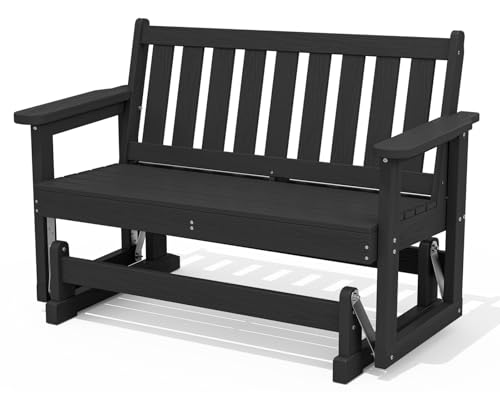
Gliders & Swings: The Complete Buying Guide
Discover how to choose the right glider or swing for your patio, porch, or garden. Learn about frame materials, motion systems, cushion care, space planning, and safety so you can pick with confidence.
Explore Buying FactorsWhy gliders and swings matter: A glider or swing turns an ordinary patio into a destination for rest. Unlike a static chair, the gentle motion invites longer conversations, quieter mornings, and slower evenings. This guide walks you through the practical decisions — frame type, motion mechanism, cushion durability, and placement — so your choice fits your space and your daily routine.
Glider vs Swing: Understanding the Difference
Before comparing models, it helps to understand what separates a glider from a swing. Both offer motion, but they move differently and suit different spaces.
A glider sits on a fixed base with a sliding or rocking mechanism built into the frame. It moves back and forth on tracks or a pivoting arm, never leaving the ground. This makes gliders stable, easy to step into, and well suited to patios, decks, and smaller porches. Many glider benches combine bench seating with the smooth back-and-forth motion that defines the category.
A swing hangs from a frame, tree limb, or ceiling and moves through the air on chains, ropes, or straps. Swings feel more open and airy, and they work beautifully in gardens, under gazebos, or on covered porches with adequate overhead support. A hanging porch swing is a classic choice for shaded relaxation, while a hanging swing chair offers a more compact, cocoon-like alternative for tight corners.
If you want grounded stability and easy access, lean toward gliders. If you prefer a floating sensation and have secure overhead anchoring, swings are the natural fit. Many homeowners eventually own both — a glider on the patio and a swing in the garden.
| Feature | Glider | Hanging Swing |
|---|---|---|
| Motion type | Sliding or rocking on a fixed base | Pendulum motion from overhead anchor |
| Installation | Place and use; no overhead support needed | Requires sturdy beam, frame, or stand |
| Best for | Patios, decks, small porches | Gardens, covered porches, gazebos |
| Accessibility | Easy step-in, stable entry | Requires stepping over or into seat |
| Space footprint | Fixed ground footprint | Needs clearance for swing arc |
| Typical tiers | Entry-level to luxury | Entry-level to premium |
Key Buying Factors to Evaluate
Use the factors below as a checklist. Each one influences comfort, longevity, and how well the piece fits your outdoor space.
Frame Material
Aluminum resists rust and stays light. Steel is heavier and very stable. Wood brings warmth but needs sealing. Resin wicker over a metal frame balances comfort and weather resistance.
Motion Mechanism
Ball-bearing gliders move more smoothly than basic bushing systems. For swings, check chain gauge, strap width, and whether the hanger includes a swivel for twisting motion.
Cushion Quality
Look for quick-dry foam and solution-dyed acrylic fabric. Removable, zippered covers make cleaning easier. Thicker cushions add comfort but hold more moisture if not vented.
Weight Capacity
Check the rated capacity for the full seat, not just per person. Heavy-duty frames often use reinforced joints and wider bases for stability with two or more adults.
Footprint & Clearance
Measure the swing arc or glider travel before placing. Leave at least 24 inches of clearance on all moving sides to avoid collisions with railings or walls.
Weather Resistance
Powder-coated finishes, rust-proof hardware, and UV-stable fabrics extend service life. If the piece stays outside year-round, prioritize marine-grade components.
Tier guidance: Entry-level gliders and swings typically use lighter frames and basic mechanisms. Mid-range models add smoother motion systems, better cushions, and more refined finishes. Premium and luxury tiers focus on heavier-gauge frames, marine-grade hardware, and long-wear fabrics. Commercial-grade options are built for high-traffic settings such as rental properties and shared courtyards.
Frame Materials Compared
The frame determines weight, stability, maintenance, and how the piece ages outdoors. Here is how the main options compare.
Aluminum Frames
Aluminum is the most common choice for gliders because it resists rust, stays relatively light, and handles powder-coated finishes well. A powder-coated aluminum frame can last many seasons with minimal care. If you want a low-maintenance piece for a covered patio, aluminum is a strong starting point. Pair it with rust-proof stainless hardware for the best long-term result.
Steel Frames
Steel offers excellent stability and a solid feel, especially for larger gliders and two-person swings. The trade-off is weight and the need for a durable rust-resistant coating. Heavy-duty steel frames with reinforced welds are common in commercial-grade and high-end residential pieces. Inspect welds and coating quality closely before choosing steel.
Wood Frames
Wood brings warmth and a classic look that suits cottage, farmhouse, and traditional patios. Cedar, teak, and acacia are popular choices, though each needs periodic sealing or oiling to stay weather-resistant. A wooden glider bench can anchor a porch beautifully, but plan for annual maintenance if it stays outside year-round. For more on wood selection and care, see our guide to good wood for outdoor furniture.
Wicker and Resin
Resin wicker over a metal frame offers the woven look of natural rattan with better weather resistance. It is lightweight, comfortable against the skin, and available in many colorways. High-quality resin wicker resists fading and cracking better than early-generation materials. Check that the weave is tight and the underlying frame is rust-protected.
Swing Types and Their Best Uses
Swings come in several formats, and the right one depends on your space, anchoring options, and how you plan to use it.
Porch Swings
A porch swing is the classic choice for covered outdoor rooms. It typically seats two to three adults and hangs from a porch ceiling beam. A hanging porch swing pairs well with ceiling fans, string lights, and a side table. Confirm the beam can support the combined weight of the swing, hardware, and occupants.
Hanging Swing Chairs
These single-seat swings work well in small gardens, balconies, and reading corners. A hanging swing chair can be suspended from a stand or a sturdy beam. Models with a stand are more flexible because they do not require structural anchoring. For a more enclosed feel, consider a hanging egg chair or a hanging egg chair with stand.
Tree and Stand-Mounted Swings
Tree-mounted swings suit mature gardens with a strong horizontal limb. Stand-mounted swings offer more placement flexibility and work on patios and decks where overhead anchoring is not available. Look for stands with wide bases and anti-tip feet for stability. A hammock swing stand can also support certain hanging chairs if the dimensions match.
Heavy-Duty Adult Swings
If multiple adults will use the swing regularly, prioritize reinforced hangers, thick chains, and a frame rated for the load. Our guide to heavy-duty outdoor swings for adults covers capacity, hardware, and anchoring in more detail.
Comfort and Cushion Considerations
Cushions transform a glider or swing from functional to genuinely comfortable. Choose them with the same care you would apply to indoor upholstery, because outdoor conditions are harsher.
Fabric Selection
Solution-dyed acrylic is the standard for fade resistance and moisture management. Polyester blends are common in entry-level and mid-range pieces but may fade faster in strong sun. If the piece sits in direct sunlight all day, prioritize UV-stable fabrics and light colorways that absorb less heat.
Foam and Drainage
Quick-dry foam with open-cell structure lets water pass through instead of pooling. Cushions with mesh or vented bottoms dry faster after rain. Avoid thick solid foam that holds moisture, especially in humid climates.
Cushion Care
Removable, zippered covers simplify cleaning. Brush off debris weekly, spot-clean with mild soap, and air-dry fully before replacing covers. Store cushions during off-season months or heavy rain to extend their life. A heavy-duty waterproof outdoor storage box keeps cushions dry and out of the way.
Placement, Anchoring, and Safety
Proper placement protects both the furniture and the people using it. Take a few minutes to plan before installation.
- Measure the motion arc: For swings, allow at least 24 inches of clearance front and back. For gliders, confirm the travel distance does not hit railings or planters.
- Verify anchor strength: A porch beam, tree limb, or swing stand must support the swing's weight plus occupants and dynamic load. When in doubt, consult a qualified professional.
- Use appropriate hardware: Stainless steel chains, galvanized bolts, and rated hangers resist corrosion. Avoid decorative hooks that are not load-rated.
- Level the base: Gliders need a level surface to move smoothly. Use shims or adjustable feet to correct uneven patio surfaces.
- Keep away from heat sources: Position swings and gliders away from fire pits and grills. Fabric and wood components can be damaged by radiant heat.
- Check seasonal stability: In windy regions, anchor stands and secure lightweight gliders before storms. Heavy-duty frames and weighted bases reduce tipping risk.
If your patio is exposed to strong winds, review our guidance on heavy outdoor furniture that won't blow away. For year-round outdoor placement, the principles in garden furniture that can be left outside all year apply to gliders and swings as well.
Space Planning for Small and Large Patios
Gliders and swings can fit almost any outdoor space when sized correctly.
Small Patios and Balconies
Choose a single-seat glider or a hanging swing chair with a compact stand. These options add motion without dominating the floor plan. Place the piece in a corner or at the end of a short wall to preserve walking space. A garden table and chairs for small garden setup can share the same zone if the swing is stand-mounted and easy to reposition.
Medium Patios
A two-seat glider bench or porch swing anchors a conversation area. Pair it with a side table, an outdoor rug, and a small planter for a complete look. Leave at least 30 inches between the swing and other seating so the motion does not feel crowded.
Large Patios and Gardens
Larger spaces can accommodate multiple motion pieces. Consider a glider on the main patio and a hanging swing in a garden nook. Use landscaping, a pergola, or a gazebo to define separate zones. A garden furniture conversation set can complement the swing area without competing for attention.
Maintenance and Seasonal Care
A few simple habits keep gliders and swings comfortable and safe for years.
- Clean frames monthly: Wipe down metal frames with mild soap and water. Rinse and dry to prevent residue buildup.
- Inspect hardware seasonally: Check bolts, chains, and hangers for wear or corrosion. Replace any component that shows cracking or heavy rust.
- Lubricate moving parts: A small amount of silicone spray on glider tracks keeps motion smooth. Avoid oily lubricants that attract dust.
- Store cushions: Bring cushions inside during heavy rain and off-season months. If storage space is limited, use a ventilated storage box.
- Cover when not in use: A fitted cover protects against pollen, bird droppings, and UV exposure. Choose a breathable cover to prevent trapped moisture.
- Refinish wood annually: Sand lightly and apply a fresh coat of sealant or oil each season to maintain water resistance.
For broader maintenance guidance, see our weatherproofing guide and outdoor care resources.
Common Mistakes to Avoid
These missteps are easy to prevent with a little planning.
- Ignoring anchor strength: Hanging a swing from an unrated beam is a serious safety risk. Verify load capacity before installation.
- Underestimating clearance: A swing that hits a railing or wall is frustrating and dangerous. Measure the full arc before placing.
- Choosing cushions without drainage: Solid foam holds water and grows mildew. Prioritize quick-dry materials.
- Placing gliders on uneven ground: Motion becomes jerky and the frame may warp over time. Level the surface first.
- Skipping seasonal storage: Cushions and wood components last longer when protected during off-season months.
- Overlooking wind exposure: Lightweight swings and gliders can tip in strong gusts. Anchor or store them when storms are forecast.
Frequently Asked Questions
What is the difference between a glider and a rocking chair?
A glider moves horizontally on a sliding track or pivoting arm, while a rocking chair moves on curved rockers. Gliders tend to feel smoother and are less likely to tip, which makes them a popular choice for patios and porches.
Can a swing be installed on a patio without a roof?
Yes, if you use a freestanding swing stand. Stands provide the overhead support a hanging swing needs and can be placed on any level patio or deck surface. Choose a stand rated for the swing's weight and occupants.
How much clearance does a porch swing need?
Allow at least 24 inches of clearance in front of and behind the swing's resting position, plus enough side clearance to avoid hitting railings. Also confirm the ceiling beam is high enough for comfortable entry and exit.
Are gliders safe for children?
Gliders are generally stable because they stay grounded, but young children should always be supervised. Choose models with smooth edges, secure hardware, and motion that stops easily. Avoid gliders with exposed pinch points near the track.
How do I keep swing cushions from getting moldy?
Use quick-dry foam and solution-dyed acrylic covers, bring cushions inside during rain, and store them in a ventilated box. Clean and fully dry cushions before storing them for the season.
What frame material lasts longest outdoors?
Powder-coated aluminum and marine-grade steel offer the longest service life with minimal maintenance. Wood can last just as long but requires regular sealing. Resin wicker over a rust-protected metal frame is a practical middle ground.
Related Reading
Expand your outdoor planning with these related guides: