Gliders & Rockers: The Complete Guide to Outdoor Rocking Chairs and Glider Seats
From traditional porch rockers to smooth-gliding patio benches, learn how to choose a motion seat that fits your space, climate, and comfort needs.
Explore Buying FactorsWhy gliders and rockers deserve a place on your patio: Few outdoor furniture pieces combine comfort, motion, and timeless appeal as well as a glider or rocking chair. Whether you want a quiet corner for morning coffee or a social seat that invites conversation, these motion seats deliver a gentle, soothing experience that static chairs cannot match.
This guide walks you through motion mechanics, frame materials, cushion considerations, safety factors, and tier-based recommendations so you can make an informed decision before you buy.
Gliders vs. Rockers: Understanding the Motion
Although both seat types offer a soothing back-and-forth motion, they achieve it through different mechanical approaches. Understanding these differences helps you choose the right seat for your household and patio layout.
How Rocking Chairs Work
Traditional rocking chairs rely on curved runners, often called rockers, attached beneath the legs. The user's body weight and subtle shifts in posture drive the motion. Rocking chairs have a nostalgic, classic feel and are often associated with front porches and farmhouse aesthetics.
Because the motion depends on the runner curve, rocking chairs typically need a stable, level surface to function smoothly. On uneven patio pavers or soft grass, the motion can feel jerky or unsafe. Many outdoor rockers are designed with wider, flatter runners to improve stability on hard surfaces.
How Gliders Work
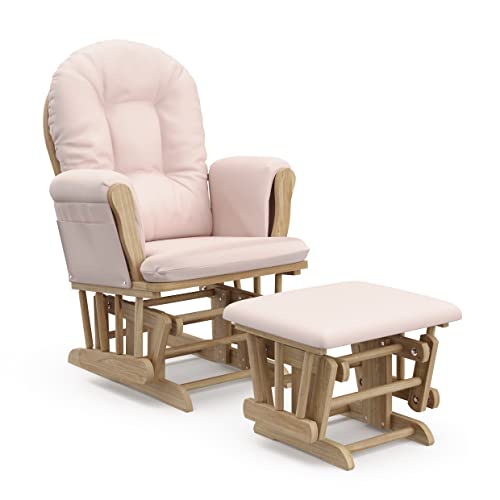
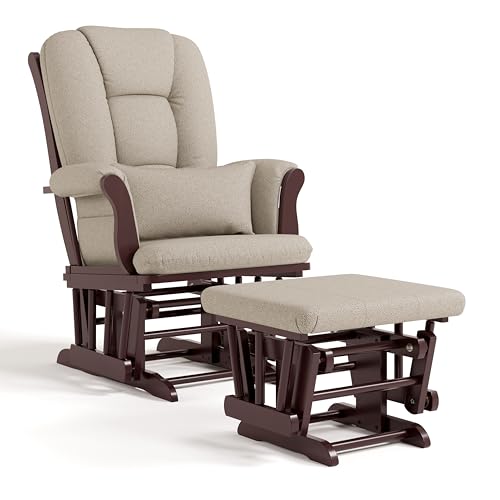
Gliders use a mechanical track or bearing system, usually hidden beneath the seat, that allows the chair or bench to slide smoothly forward and backward. The motion is more controlled and linear than a rocking chair's arc, which many users find more comfortable for extended sitting.
Gliders are generally easier to get in and out of because the seat stays level during motion. This makes them a popular choice for seniors and anyone who prefers a stable, predictable glide. Outdoor gliders often feature powder-coated steel or aluminum tracks that resist rust and debris buildup.
Quick tip: If you have a level patio or deck, both gliders and rockers work well. If your surface is slightly uneven or you want the smoothest possible motion, a glider is usually the safer choice. For a traditional porch look, a wooden rocker remains unmatched.
Glider vs. Rocker Comparison
The table below summarizes the key differences to help you match the seat type to your needs.
| Feature | Glider | Rocking Chair |
|---|---|---|
| Motion type | Smooth horizontal glide on tracks | Arcing back-and-forth on curved runners |
| Surface requirements | Works on most level surfaces | Best on level, hard surfaces |
| Ease of entry/exit | Generally easier; seat stays level | Requires balance; seat tilts during motion |
| Best for | Seniors, extended sitting, smooth motion | Traditional aesthetics, porch settings |
| Common materials | Aluminum, steel, wicker, HDPE | Wood, teak, acacia, metal |
| Maintenance | Lubricate tracks occasionally | Inspect runners for wear and levelness |
Frame Materials: Durability and Weather Resistance
The frame material determines how well your glider or rocker withstands sun, rain, and temperature swings. Here is how the most common materials compare.
Aluminum
Aluminum is lightweight, rust-resistant, and ideal for humid or coastal climates. Powder-coated aluminum frames offer excellent durability and require very little maintenance. Many mid-range and premium gliders use aluminum because it balances strength with portability.
Steel
Steel frames are heavy-duty and stable, making them a solid choice for windy areas. However, steel can rust if the finish chips, so look for galvanized or powder-coated steel. Heavy-duty steel gliders are often found in the mid-tier and high-end tier categories.
Teak, Acacia, and Eucalyptus
Hardwoods bring warmth and a natural look to outdoor spaces. Teak is naturally weather-resistant and can last for decades with minimal care. Acacia and eucalyptus are more accessible alternatives that perform well when sealed annually. Wooden rocking chairs are a classic choice, while wooden gliders offer a rustic, grounded aesthetic.
HDPE and Resin Wicker
High-density polyethylene (HDPE) and resin wicker are engineered to resist moisture, UV rays, and insects. They are low-maintenance and available in many colorways. Entry-level and mid-range gliders frequently use these materials, and they are a smart choice for families who want durable outdoor seating without seasonal upkeep.
Cushions, Comfort, and Ergonomics
A motion seat is only as comfortable as its cushioning and support. Look for these features when evaluating gliders and rockers.
- Seat depth and width: Deeper seats suit taller users, while narrower seats fit compact balconies and porches.
- Cushion fill: High-density foam retains shape longer than fiber fill. Quick-dry foam is ideal for uncovered patios.
- Fabric: Solution-dyed acrylic and olefin fabrics resist fading and mildew. Removable, machine-washable covers simplify maintenance.
- Armrests: Wide, flat armrests improve comfort and can hold a drink or book. Some gliders include built-in cup holders.
- Lumbar support: Contoured backs reduce fatigue during long sitting sessions.
Cushion care tip: Store cushions indoors during heavy rain or off-season months, even if they are labeled weather-resistant. This simple habit dramatically extends fabric life and keeps the foam firm.
Tier-Based Recommendations
Because product quality varies widely, it helps to think in tiers rather than specific figures. The cards below describe what you can generally expect at each tier. Choose the tier that matches your climate, usage frequency, and long-term plans.
Starter Tier
Lightweight frames, basic cushioning, and straightforward motion mechanisms. Suitable for occasional use, covered porches, and seasonal setups. Expect simpler assembly and fewer premium finishes.
Balanced Tier
Upgraded frames such as powder-coated aluminum or sealed hardwood, denser cushions, and smoother glide tracks. A practical choice for year-round outdoor use in moderate climates.
High-End Tier
Heavy-duty construction, rust-proof finishes, solution-dyed fabrics, and refined ergonomics. Designed for daily use and long-term exposure. Often includes better warranties and refined detailing.
Flagship Tier
Commercial-grade materials, precision motion systems, and bespoke cushion options. Built to withstand heavy use and harsh weather while delivering the smoothest glide and the most polished finish.
Tier selection should reflect how often the seat will be used and the climate it faces. A mid-range glider is often the sweet spot for homeowners who want dependable comfort without stepping into the top tier. For coastal or high-humidity areas, consider moving one tier up for better corrosion resistance.
Key Buying Factors Checklist
Before finalizing your choice, run through this checklist to avoid common pitfalls.
- Measure your space: Confirm the glider or rocker's footprint, plus clearance for motion. A glider needs a few inches of travel room in front and behind.
- Check weight capacity: Ensure the stated capacity comfortably exceeds the weight of intended users.
- Review the motion mechanism: Look for sealed bearings, smooth tracks, and rust-resistant hardware.
- Confirm weather resistance: Match the frame and cushion materials to your climate and exposure level.
- Consider assembly: Check whether assembly is required and whether tools are included.
- Read warranty terms: Frame warranties often differ from cushion and fabric warranties.
- Plan for storage: Decide where the seat will go during off-season months and whether a cover is needed.
Related Outdoor Seating to Explore
Gliders and rockers are part of a broader family of motion and relaxation seating. If you are still comparing options, these related categories may help you narrow down the right fit for your patio.
Placement and Styling Tips
Where you place your glider or rocker matters as much as the product itself. Consider these placement ideas to get the most from your motion seat.
- Porch focal point: A wooden rocker or glider bench anchors a front porch and pairs well with side tables and planters.
- Shaded retreat: Place a glider under a pergola or patio umbrella to create a cool reading nook.
- Garden view: Angle a rocker toward a garden fountain or flower bed for a calming visual backdrop.
- Conversation pairing: Pair two gliders facing each other, or combine a glider with a garden conversation set for a cohesive seating zone.
- Deck safety: Keep the motion area clear of railings and steps, and use a non-slip rug beneath the seat.
Maintenance for Long-Term Performance
Regular maintenance keeps the motion smooth and the frame looking fresh.
- Tracks and bearings: Wipe down glide tracks monthly and apply a silicone-based lubricant if the motion becomes stiff.
- Frame cleaning: Use mild soap and water; avoid abrasive cleaners that can scratch powder coatings.
- Wood care: Reapply sealant annually to teak, acacia, and eucalyptus frames, especially before winter.
- Cushion rotation: Rotate cushions regularly to distribute wear and prevent sun fading.
- Coverage: Use a fitted cover during extended periods of disuse or harsh weather.
Frequently Asked Questions
What is the difference between a glider and a rocking chair?
A rocking chair moves on curved runners beneath its legs, creating an arcing motion. A glider uses a mechanical track system that slides the seat smoothly forward and backward. Gliders tend to be easier to enter and exit and offer a more controlled motion, while rockers deliver a traditional, nostalgic feel.
Which frame material is best for outdoor gliders and rockers?
Aluminum and high-grade steel resist rust and require minimal upkeep, making them ideal for year-round exposure. Teak and sealed hardwoods offer natural beauty and durability. HDPE and resin wicker are low-maintenance options for entry-level and mid-range pieces. The best choice depends on your climate and maintenance preferences.
Can a glider be left outside all year?
Many modern gliders are built for year-round outdoor use, especially those with powder-coated aluminum frames and solution-dyed cushions. To maximize lifespan, use a waterproof cover during harsh weather and store cushions indoors during off-season months.
How much weight can a patio glider support?
Weight capacities vary by tier. Entry-level gliders typically support around 250 pounds per seat, mid-range models often support 300 to 350 pounds, and premium or commercial-grade gliders can support 400 pounds or more. Always verify the manufacturer's stated capacity before purchasing.
Do gliders need assembly?
Most patio gliders require some assembly, typically attaching the back, arms, and seat to the base. Assembly usually takes 30 to 90 minutes with basic tools. Some premium models arrive fully assembled or with minimal setup.
Final Thoughts
Gliders and rockers bring motion, comfort, and character to outdoor spaces. By understanding the differences between motion types, selecting the right frame material for your climate, and choosing a tier that matches your usage, you can invest in a seat that serves your household for many seasons.
If you are furnishing a larger patio, consider pairing a glider with a garden furniture arrangement or a small garden table set to create a cohesive outdoor room. For year-round resilience, browse garden furniture that can be left outside all year and explore heavy-duty patio furniture if your area experiences strong winds.