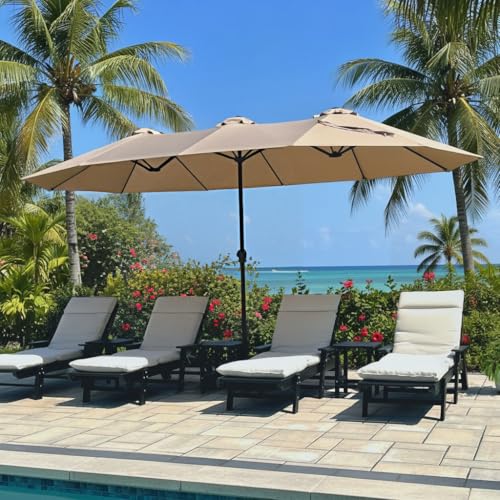
Patio Umbrellas: The Complete Buying Guide
Everything you need to know about choosing the right shade solution for your outdoor space. Compare styles, canopy fabrics, frame materials, and base options to create a cool, comfortable backyard retreat.
Explore Umbrella TypesWhy a patio umbrella matters: A well-chosen umbrella does more than block the sun—it defines your outdoor living area, protects family and guests from UV rays, and extends the usable hours of your patio. Whether you are furnishing a compact balcony or a sprawling deck, the right shade solution transforms an ordinary outdoor space into a true extension of your home.
Why Every Patio Needs a Shade Solution
Outdoor living has become a cornerstone of modern home design. A quality umbrella is one of the most efficient ways to make your patio usable during peak sun hours. It protects skin from harmful UV exposure, reduces ambient temperature beneath the canopy, and preserves the lifespan of your furniture by minimizing direct sun damage. For homeowners furnishing a new space, an umbrella is a foundational piece—alongside your outdoor patio furniture and dining set with an umbrella hole.
Types of Patio Umbrellas
Understanding the different umbrella styles is the first step toward a smart purchase. Each type serves a distinct purpose and suits different patio layouts.
Market Umbrellas
The most common style, featuring a center pole that fits through a table hole or stands in a freestanding base. Market umbrellas are versatile, easy to operate with a crank or push-up mechanism, and pair naturally with dining table sets with umbrella holes.
Essential to Mid-Range TierCantilever (Offset) Umbrellas
A side-mounted pole with an articulated arm suspends the canopy over your seating area without a center obstruction. Ideal for lounging arrangements where a table pole would interfere with conversation or movement. Premium models offer smooth rotation and tilt controls.
Mid-Range to Premium TierBeach & Portable Umbrellas
Lightweight, tiltable, and often collapsible for transport. These are excellent companions for picnics, camping, and backyard lounging. Many feature vented canopies for wind resistance and sand-anchor bases.
Starter to Essential TierPergola & Gazebo Canopies
For permanent or semi-permanent shade, fabric canopies attach to structural frames. These provide broader coverage and a more architectural feel, often complementing a screened-in deck or dedicated outdoor room.
High-End to Luxury TierCanopy Fabric: The Heart of Your Umbrella
The canopy determines how well your umbrella resists fading, moisture, and UV damage. Choosing the right fabric is essential for long-term satisfaction.
| Fabric Type | Tier | Best For | Key Characteristics |
|---|---|---|---|
| Solution-Dyed Acrylic | Top-Tier / Premium | Long-term outdoor use, high-UV regions | Colorfast, breathable, excellent UV resistance, water-repellent finish available |
| Olefin | Mid-Range | Balanced performance and durability | Good moisture resistance, lightweight, solid colorfastness with proper care |
| Polyester | Entry-Level to Mid-Tier | Seasonal use, covered patios | Wide color selection, lighter weight, may require more frequent replacement in harsh sun |
| Textilene / Mesh | Specialty | Hot climates, ventilation-focused setups | Breathable, quick-drying, reduces wind lift, ideal for breezy locations |
For readers comparing outdoor furniture fabric options across their entire patio setup, the same principles apply: solution-dyed materials consistently outperform in longevity and color retention.
Frame Materials & Construction
The frame carries the canopy and withstands wind, so its material and build quality are critical. Here is how the main options compare:
- Aluminum: Lightweight, rust-proof, and easy to reposition. Mid-range to premium aluminum frames with powder-coated finishes are the gold standard for residential use.
- Steel: Heavier and very sturdy, but requires a rust-resistant coating. Entry-level steel frames may show wear sooner; high-grade steel with a rust-proof finish is a solid choice for the tier.
- Wood: Aesthetic appeal for rustic or traditional settings. Requires periodic sealing and is best suited to covered or semi-covered areas.
- Fiberglass / Composite: Emerging in premium cantilever designs for their strength-to-weight ratio and corrosion resistance.
Bases, Stability & Wind Resistance
A quality umbrella is only as stable as its base. Underestimating base weight is the most common mistake buyers make. Consider the following:
- Table-mounted bases: Rely on the table's weight plus a smaller base plate. Suitable for calm, sheltered patios.
- Freestanding bases: Filled with water or sand for ballast. Essential for market umbrellas standing independently.
- Cantilever bases: Require substantial weight—often integrated plates or fillable compartments—to counterbalance the offset arm.
- Wind vents: A vented canopy allows airflow through the top, reducing lift during gusts. Look for this feature in windy locations.
If you are pairing an umbrella with a dining arrangement, explore outdoor dining furniture and round dining tables with umbrella holes to ensure a compatible fit.
Choosing the Right Size & Coverage
Umbrella canopies are typically measured by diameter. As a practical guideline:
| Canopy Diameter | Best For | Seating Capacity |
|---|---|---|
| 6–7 feet | Bistro sets, balconies, compact patios | 2 people |
| 8–9 feet | Standard dining tables, mid-size patios | 4 people |
| 10–11 feet | Large dining sets, lounge areas | 6 people |
| 12+ feet | Commercial-grade coverage, expansive decks | 8+ people |
A common rule of thumb: the canopy diameter should exceed your table diameter by approximately two feet on each side for optimal coverage. For integrated shade solutions, consider an outdoor dining set with an umbrella hole or a patio furniture set with a built-in umbrella hole.
Smart Features to Look For
Crank & Tilt Mechanisms
A smooth crank lift is easier to operate than a push-up collar, especially for larger canopies. Tilt functions allow you to angle the canopy as the sun moves, maximizing shade throughout the day. Mid-range models typically offer push-button tilt; premium models feature collar tilt or infinite-position arms.
Integrated Lighting
LED or solar-powered lights embedded in the ribs or center hub extend usability into the evening. These are especially popular for entertaining and pair beautifully with outdoor lighting arrangements.
Rotation Systems
Cantilever umbrellas often include a foot-pedal or hand-crank rotation base, letting you move the canopy 360 degrees. This flexibility is invaluable for patios with changing sun exposure.
Protective Covers
A dedicated cover protects the canopy from debris, bird droppings, and UV degradation when the umbrella is not in use. Many premium umbrellas include one; otherwise, choose a breathable, water-resistant cover that fits your canopy size.
Care & Maintenance Tips
A well-maintained umbrella can last many seasons. Follow these guidelines:
- Clean regularly: Mild soap and water is usually sufficient. Avoid harsh chemicals that strip protective finishes.
- Close during storms: Wind is the primary cause of umbrella damage. Close and secure the canopy whenever strong gusts are forecast.
- Store off-season: If you live in a region with harsh winters, disassemble and store the umbrella indoors. For year-round setups, use a cover.
- Inspect hardware: Tighten bolts, lubricate cranks, and check the base for stability at the start of each season.
For broader maintenance guidance across your entire outdoor collection, see our resources on rust removal and waterproof materials for garden furniture.
Matching Umbrellas with Your Patio Furniture
The right umbrella should feel like a natural extension of your furniture layout. Consider these pairings:
- Dining setups: Pair a market umbrella with your outdoor dining set with umbrella hole or a dining table set with umbrella hole for balanced shade over meals.
- Lounge areas: A cantilever umbrella works beautifully with outdoor lounge furniture, keeping sightlines clear and shade adjustable.
- Small spaces: Compact outdoor table and chair sets benefit from a 7-foot market umbrella without overwhelming the space.
- Conversation sets: For patio conversation sets, a cantilever or offset umbrella provides flexible shade without a center pole interrupting the flow.
Ready to Find Your Perfect Shade Solution?
Browse our curated selection of patio umbrellas and shade products. Compare styles, materials, and features side by side to make a confident choice for your backyard.
View Recommended UmbrellasFrequently Asked Questions
What is the best canopy fabric for a patio umbrella?
Solution-dyed acrylic is widely considered the top-tier choice. It offers excellent UV resistance, colorfastness, and breathability. Olefin is a solid mid-range alternative, while polyester is common in entry-level models but may fade faster over time. Choosing the right fabric is the single most impactful decision for longevity.
How do I keep my patio umbrella from blowing over?
Use a heavy-duty base appropriate for your umbrella type and local wind conditions. For freestanding market umbrellas, a base filled with water or sand provides essential ballast. Cantilever umbrellas require specially weighted bases that counterbalance the offset arm. Always close the umbrella during high winds or storms, and consider a vented canopy to reduce wind lift.
What is the difference between a market umbrella and a cantilever umbrella?
A market umbrella has a center pole that passes through the table or stands beside it, offering simple operation and broad compatibility with dining tables with umbrella holes. A cantilever (offset) umbrella has a side-mounted pole with an articulated arm that extends the canopy over the seating area, keeping the space beneath free of obstructions—ideal for lounge configurations.
Can patio umbrellas be left outside in the rain?
Most high-quality patio umbrellas are water-resistant and can withstand light rain. However, prolonged exposure to heavy rain and moisture can degrade the fabric and frame over time. It is best to close and cover the umbrella during extended wet weather and store it indoors during off-season months. Regular cleaning and proper storage will significantly extend its lifespan.
How do I measure for a patio umbrella?
Measure your table's diameter or the seating area you want to shade. The umbrella canopy should extend approximately two feet beyond the table edge on all sides. Also confirm the pole diameter fits your table's umbrella hole and that the base has enough clearance. For freestanding setups, ensure the base footprint fits your available floor space.
Final Thoughts
A patio umbrella is one of the most practical and transformative additions to any outdoor space. By understanding the differences between umbrella types, investing in a quality canopy fabric, and pairing your shade solution with compatible furniture, you create a backyard environment that is comfortable, stylish, and genuinely usable throughout the warmer months.
Whether you are outfitting a compact balcony with a bistro set or designing a full outdoor dining room, the right umbrella ties the space together. Explore our recommended products below to find a shade solution that matches your patio's scale and style—and enjoy the outdoors in comfort all season long.