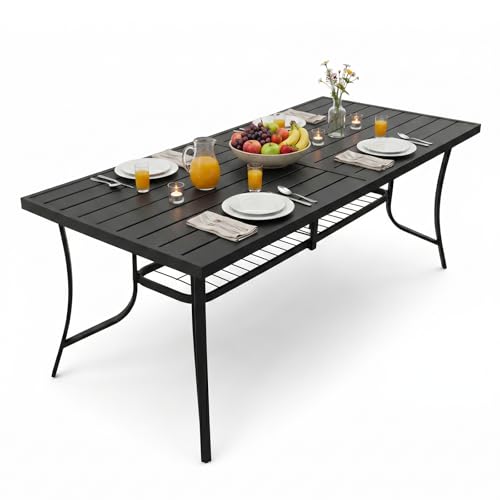
Outdoor Dining Table with Umbrella Hole: Complete Buying Guide
Everything you need to know before choosing a patio dining table with a built-in umbrella hole — from table shapes and materials to umbrella sizing, stability, and long-term care.
Explore the GuideWhy an umbrella hole matters: An outdoor dining table with an umbrella hole keeps your shade centered over the table, saves floor space compared to separate umbrella stands, and turns any patio into a comfortable spot for meals even on bright days. This guide walks you through the decisions that matter most so you can buy with confidence.
What Is an Outdoor Dining Table with Umbrella Hole?
An outdoor dining table with an umbrella hole is a patio table with a reinforced opening in the center of the tabletop. The opening allows an umbrella pole to pass through so the canopy sits directly above the table. This design provides consistent shade for diners, keeps the umbrella out of foot traffic, and removes the need for a bulky freestanding umbrella base beside the table.
These tables are available in many shapes and sizes, from compact bistro models for balconies to large rectangular tables for family gatherings. Some designs include a collar or locking ring around the hole for extra pole stability. Others incorporate a plug for when the umbrella is not in use. You can browse broader options in our outdoor dining table guide, or compare complete sets in the outdoor dining table set with umbrella hole collection.
Key Benefits of a Table with a Built-In Umbrella Hole
- Centered shade: The umbrella sits over the table rather than to the side, so every seat gets coverage.
- Space efficiency: No separate umbrella stand occupies floor area, which matters on smaller patios and decks.
- Stability: The hole and surrounding collar help keep the pole upright and reduce wobble.
- Cleaner layout: Fewer accessories around the table mean easier movement and a tidier outdoor space.
- Versatility: Remove the umbrella and plug the hole to use the table in cooler months or under a pergola.
Table Shapes and Seating Capacity
The shape of the table influences how many people can sit comfortably and how well the umbrella covers the group. Consider the following common configurations:
- Round tables: Ideal for conversation and small groups. A round table often provides the most even shade distribution from a single center umbrella.
- Square tables: Space-efficient and good for four diners. Many square models are available with a center hole.
- Rectangular tables: Best for larger gatherings. Longer tables may need a larger canopy to cover the ends, so check the umbrella size against table length.
- Oval tables: Offer a softer look and good seating capacity while still allowing a center umbrella.
If you prefer a set that includes seating, explore outdoor dining table with umbrella hole and chairs or the flexible outdoor dining table with chairs and bench arrangement.
| Table Shape | Typical Seating | Shade Coverage Notes | Best For |
|---|---|---|---|
| Round | 4 people | Even coverage with a center umbrella | Small patios, conversation areas |
| Square | 4 people | Compact footprint, balanced shade | Balconies, tight decks |
| Rectangular | 6–8 people | Requires a larger canopy for ends | Family dining, entertaining |
| Oval | 6 people | Soft silhouette, good center coverage | Mid-size patios, relaxed style |
Materials: Which Tabletop Handles an Umbrella Hole Best?
The material affects durability, weight, maintenance, and how well the table handles stress around the umbrella opening.
- Powder-coated aluminum: Lightweight, rust-resistant, and easy to move. A strong choice for humid or coastal climates. Look for a reinforced rim around the hole.
- High-density polyethylene (HDPE): Weather-resistant and low-maintenance. Many HDPE tables are designed with molded umbrella holes that resist water intrusion.
- Teak and acacia: Natural warmth and durability. These woods need periodic sealing to protect the hole area from moisture and cracking.
- Glass-top tables: Elegant and easy to clean. The hole must be factory-cut and tempered; avoid drilling glass yourself. See our outdoor glass dining table with umbrella hole guide for details.
- Composite and resin: Good weather resistance with a solid feel. Check that the hole has a metal or plastic collar to prevent wear.
If you want a set that includes built-in shade, the outdoor furniture table and chairs with umbrella page covers complete packages. For wood-focused designs, see outdoor furniture wooden table and chairs.
Umbrella Sizing and Compatibility
Most umbrella poles are between 1.5 and 2 inches in diameter, and standard umbrella holes are sized to fit them. Beyond pole fit, canopy size determines comfort:
- 7.5-foot canopy: Suits round or square tables seating four.
- 9-foot canopy: Works well for tables seating six.
- 10 to 11-foot canopy: Better for large rectangular tables seating eight or more.
Check whether the table includes a locking collar or pole stabilizer. Some tables also support a tilt umbrella, which helps adjust shade through the day. For more table options that accommodate shade, browse outdoor dining table with hole for umbrella and outdoor dining tables.
Stability, Bases, and Wind Safety
An umbrella hole centers the pole, but it does not replace a proper base. A weighted base is essential in windy conditions and helps protect the table from stress. Consider these points:
- Choose a base rated for your umbrella canopy size.
- Some tables include a built-in umbrella holder or collar; still use a base for freestanding umbrellas.
- On exposed patios, consider a vented canopy to reduce wind lift.
- Close or remove the umbrella during storms and high winds.
For a different outdoor dining experience, explore tables with integrated heating in our outdoor dining table with fire pit in the middle guide, or compare the broader outdoor dining table with fire pit options.
Table Size and Patio Space Planning
Measure your space before choosing a table. As a general rule, allow about 24 to 30 inches of clearance per diner along the table edge, plus enough room behind chairs to pull them out comfortably. On a small patio, a round or square table with a center umbrella hole often works best. For compact layouts, our outdoor dining table set overview includes space-conscious options.
Also consider chair styles. Stackable chairs free up space when not in use, while benches can seat more people along one side. See outdoor dining table with stackable chairs and outdoor dining table with bench and chairs for layout ideas.
Maintenance and Seasonal Care
- Keep the umbrella hole free of leaves and standing water.
- Use a hole plug when the umbrella is removed to prevent water pooling.
- Inspect the rim and collar for rust or cracks at the start of each season.
- Touch up powder-coated finishes and reseal wood surfaces as recommended.
- Store umbrellas and cushions during off-season or severe weather.
For broader outdoor care guidance, see our outdoor essentials checklist and the outdoor dining hub.
Common Mistakes to Avoid
- Buying an umbrella that is too small: A canopy that does not extend past the table edge leaves diners in the sun.
- Skipping the base: The table hole alone does not anchor an umbrella in wind.
- Ignoring the hole rim: Unreinforced holes wear faster and can let water into the table core.
- Choosing the wrong table shape for the space: A large rectangular table can crowd a small patio.
- Forgetting chair clearance: Always account for pulled-out chairs when measuring.
Quick Comparison: Table Tiers
Use these neutral tier descriptors to compare options within the category. They reflect relative market position, not specific figures.
| Tier | Typical Characteristics | Best For |
|---|---|---|
| Entry-level | Basic materials, simpler hole reinforcement, lighter frames | Occasional use, first patio setup |
| Mid-range | Better weather resistance, reinforced hole collar, sturdier frame | Regular family dining, everyday use |
| Premium | High-grade materials, precise joinery, robust umbrella stabilization | Frequent entertaining, exposed patios |
| Luxury | Designer finishes, commercial-grade durability, integrated shade systems | High-end outdoor living spaces |
Frequently Asked Questions
What size umbrella fits an outdoor dining table with an umbrella hole?
The hole typically fits standard 1.5 to 2-inch poles. For coverage, match canopy size to seating: around 7.5 feet for four seats, 9 feet for six seats, and 10 to 11 feet for eight or more.
Do I need an umbrella base if my table has an umbrella hole?
Yes, in most cases. The hole centers the umbrella but does not anchor it against wind. A weighted base adds stability and protects the table from stress.
Which table material is best for an umbrella hole setup?
Powder-coated aluminum and HDPE are the most weather-resistant. Teak and acacia need sealing, while glass-top tables require factory-cut tempered glass and careful handling.
Can I add an umbrella hole to an existing table?
It is possible on some wood and composite tables with a hole saw, but it voids warranties and risks structural weakness. Metal and glass tables should not be drilled. Buying a purpose-built table is safer.
How do I maintain a table with an umbrella hole?
Keep the hole clear, use a plug when the umbrella is out, inspect the rim for rust or cracks, and reseal wood surfaces as needed. Store umbrellas and cushions during severe weather.
Final Checklist Before You Buy
- Confirm the umbrella hole diameter matches your pole.
- Choose a table shape and size that fit your patio and seating needs.
- Check that the hole rim is reinforced and sealed.
- Plan for a properly weighted umbrella base.
- Match canopy size to table dimensions and seating capacity.
- Review material maintenance requirements for your climate.
- Consider a hole plug for off-season use.
Ready to Compare Shaded Dining Tables?
Browse curated options below to find a table that fits your space, shade needs, and maintenance preferences.
View Recommended Options