Outdoor Lighting: Illuminate Your Patio & Backyard
Transform your outdoor space after sunset with the right lighting strategy. From ambient string lights to functional path fixtures, learn how to layer light for beauty, safety, and atmosphere.
START THE GUIDEWhy Outdoor Lighting Matters: A well-lit patio extends your outdoor living hours well into the evening. The right lighting combination improves safety on walkways, adds depth to your landscape, and creates an inviting mood for gatherings. This guide walks you through the main lighting categories, helps you match fixtures to your space, and explains how to layer light like a designer.
Understanding Outdoor Lighting Categories
Outdoor lighting falls into three functional layers: ambient, task, and accent. Ambient lighting provides overall illumination for safety and visibility. Task lighting focuses on specific areas like grills, prep surfaces, or reading nooks. Accent lighting highlights architectural features, trees, or garden beds. A balanced design typically combines all three layers.
String Lights
Festoon and globe string lights are the most versatile ambient option. They drape across pergolas, trellises, or between trees to create a warm, café-style glow. Entry-level sets use incandescent bulbs, while mid-range and premium options offer weather-resistant LED bulbs with shatterproof housing. Look for commercial-grade versions if you plan permanent installations.
Path & Walkway Lights
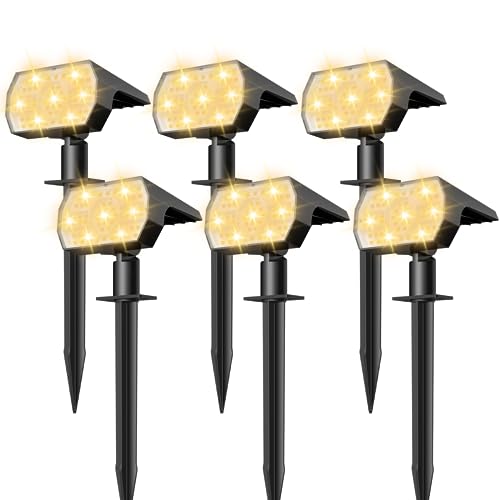
Path lights guide guests safely along walkways and define garden borders. Solar-powered models are a practical starter tier choice for ease of installation, while low-voltage wired systems offer more consistent brightness and are available in mid-tier and high-end tier finishes. Choose downward-facing fixtures to reduce glare and light pollution.
Landscape & Accent Fixtures
Spotlights, floodlights, and well lights create dramatic effects by uplighting trees, walls, or water features. Premium fixtures with solid brass or copper construction resist corrosion and patina beautifully over time. Professional-grade landscape lighting often uses low-voltage transformers and timers for precise control.
Deck & Step Lighting
Recessed deck lights and step lights improve safety on stairs and raised platforms while adding a subtle architectural detail. High-end tier models feature stainless steel or aluminum housings with IP65 or higher weatherproof ratings. Many integrate with smart home systems for scheduling and dimming.
Pendant & Hanging Lights
Pendant lights over dining tables or kitchen islands bring indoor comfort outdoors. Mid-tier options include plug-in models with weather-resistant cords, while luxury pendant fixtures offer dimmable LED modules and designer finishes. Pair with a pergola or gazebo for a defined dining zone.
Smart & Integrated Lighting
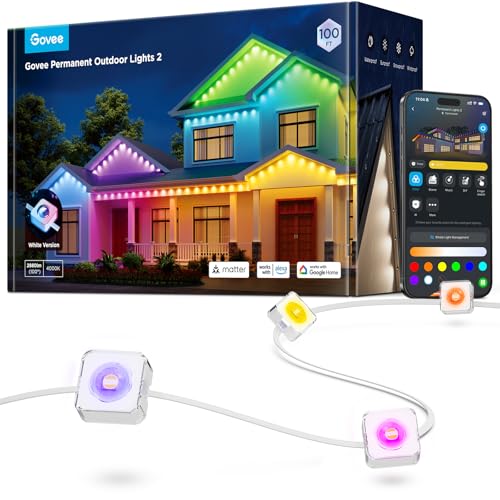
Smart lighting systems allow app-based control, scheduling, and color tuning. Top-tier systems sync with voice assistants and can be programmed for different scenes—entertaining, relaxing, or security. These systems typically use low-voltage LED technology and require a hub or bridge for full functionality.
Lighting Type Comparison by Use Case
Use this table to match lighting categories to your primary needs. Each type serves a distinct purpose, and most patios benefit from combining two or three categories.
| Lighting Type | Best For | Tier Recommendation | Installation Notes |
|---|---|---|---|
| String Lights | Ambient mood, pergola coverage, party settings | Essential to mid-range | Plug-in or solar; use guide wires for long spans |
| Path Lights | Walkway safety, garden borders | Starter to mid-tier | Solar for ease; low-voltage for consistent output |
| Spotlights & Well Lights | Tree uplighting, architectural accents | Premium to professional-grade | Low-voltage transformer required; aim carefully |
| Deck & Step Lights | Stair safety, deck edge definition | Mid-range to high-end tier | Recessed models need cutouts; check IP rating |
| Pendant Lights | Dining areas, kitchen islands, reading nooks | Balanced to luxury | Hardwired or plug-in; ensure damp-location rating |
| Smart Lighting | Scene control, scheduling, security integration | Top-tier | Requires hub; verify app compatibility |
Design Tips for Layering Outdoor Light
- Layer, don't flood. Combine ambient, task, and accent lighting rather than relying on a single bright source. This creates depth and reduces harsh shadows.
- Use warm color temperatures. Bulbs in the 2700K–3000K range feel inviting and complement wood, stone, and foliage. Cooler temperatures suit modern minimalist designs.
- Direct light downward. Shield bulbs to prevent glare and light pollution. Downward-facing fixtures also make outdoor spaces feel more intimate.
- Highlight focal points. Use spotlights to draw attention to a specimen tree, water feature, or architectural detail. Less is often more—two or three accent points per zone is usually enough.
- Plan for control. Dimmers, timers, and smart plugs let you adjust brightness for different occasions. A well-planned control scheme extends bulb life and reduces energy use.
- Check weather ratings. Look for IP65 or higher ratings for fixtures exposed to rain and humidity. Coastal areas benefit from corrosion-resistant materials like brass or marine-grade stainless steel.
- Coordinate with your furniture layout. Place task lighting near seating and dining areas, and keep pathways clear of fixtures that could become tripping hazards. If your patio includes a fire pit or heater, position lighting to complement—not compete with—the flame.
Related Outdoor Living Guides
Lighting works best when integrated with the rest of your outdoor design. Explore these related topics to complete your patio plan:
- Outdoor Light Chains — Decorative chain-hung fixtures for pergolas and porches.
- Outdoor Heaters — Extend evening comfort with patio heaters that pair well with ambient lighting.
- Outdoor Living — Complete guides to furnishing and styling your backyard retreat.
- Outdoor Lounge Chairs — Pair comfortable seating with well-placed reading lights.
- Outdoor Patio Fireplace — Combine firelight and electric light for a cozy evening atmosphere.
- Outdoor Patio Dining Sets — Choose dining furniture that accommodates pendant or overhead lighting.
Ready to Light Up Your Patio?
Browse our curated selection of outdoor lighting products below, or explore our related buying guides to complete your outdoor space.
VIEW RECOMMENDED PRODUCTSFrequently Asked Questions
How many lumens do I need for outdoor lighting?
Lumen requirements vary by purpose. Path lights typically need 50–100 lumens for safe navigation. Ambient string lights use lower-output bulbs (20–50 lumens each) since they are decorative. Accent spotlights for trees or architecture typically range from 200–500 lumens. Task lighting over grills or prep areas benefits from 300–500 lumens focused directly on the work surface. As a rule, aim for layers of lower-output fixtures rather than one high-output source.
Are solar lights reliable for patios?
Modern solar lights have improved significantly. Entry-level solar path lights work well in areas with at least 6–8 hours of direct sun. For consistent brightness or year-round use in cloudy climates, low-voltage wired systems are more dependable. Mid-range and premium solar fixtures with larger panels and lithium batteries offer better performance and longer runtimes.
What IP rating should outdoor lights have?
For fixtures exposed to rain, look for IP65 or higher. IP65 means the fixture is dust-tight and protected against water jets. Fixtures near pools or sprinklers benefit from IP67 or IP68. Covered porches may only need IP44, but choosing IP65 or better provides peace of mind and longer service life in most climates.
Can I mix lighting color temperatures?
It is generally best to keep a consistent color temperature across visible fixtures to avoid a patchwork look. Warm white (2700K–3000K) is the most versatile for patios and gardens. If you want to highlight specific features, use a slightly cooler temperature for accents while keeping ambient lighting warm. Smart bulbs make it easy to adjust and match temperatures across fixtures.
How do I hide wiring for outdoor lights?
Low-voltage wiring can often be buried just below the soil surface or hidden under mulch. For deck and pergola installations, route wires along framing members and use cable clips. Plug-in string lights benefit from guide wires and tensioners to keep cords tidy. If you are uncomfortable running wiring, consult a licensed electrician for hardwired installations.