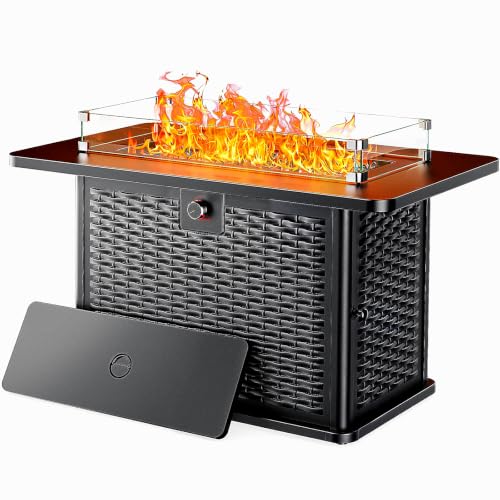
Outdoor Patio Fireplace: The Complete Buying & Design Guide
Transform your backyard into a year-round destination with a well-chosen outdoor patio fireplace. Explore types, materials, placement strategies, safety essentials, and design ideas that help you choose with confidence.
Why homeowners research outdoor patio fireplaces: A fireplace is one of the most impactful upgrades you can add to an outdoor living space. It extends usable hours into cooler evenings, anchors a conversation area, and adds architectural presence. But the decision involves more than aesthetics — fuel type, heat output, clearance requirements, and long-term maintenance all shape how satisfied you will be. This guide walks through every factor so you can move from research to a confident purchase decision.
Why Add an Outdoor Patio Fireplace?
An outdoor fireplace does more than provide warmth. It becomes the focal point of your patio, naturally drawing guests into a conversation circle. Unlike portable fire pits, a built-in or freestanding fireplace offers a permanent, architectural anchor that can be designed to match your home's exterior.
- Extended season: Enjoy your patio well into autumn and even mild winters.
- Defined gathering zone: A fireplace visually organizes seating and encourages conversation.
- Property enhancement: A well-designed hearth adds lasting character to your outdoor living area.
- Ambiance: Real flame — whether gas or wood — creates atmosphere no heater can replicate.
- Versatility: Pair with a patio furniture set with fire pit or standalone seating for a cohesive layout.
Types of Outdoor Patio Fireplaces
The right type depends on your fuel preference, installation constraints, and how much maintenance you are comfortable with. Below are the main categories homeowners typically compare.
Wood-Burning Fireplaces
Traditional and atmospheric, wood-burning units deliver authentic crackle and radiant heat. They require a chimney or flue for ventilation and are best suited to detached or well-ventilated patio areas. Check local ordinances before installing — some neighborhoods restrict wood smoke.
Gas Fireplaces (Natural or Propane)
Gas models offer instant ignition, clean burning, and minimal ash cleanup. Natural gas requires a supply line; propane models run from a tank and are more flexible for placement. Many gas fireplaces include remote control and adjustable flame height.
Freestanding Fireplaces
These units can be placed on existing patios without structural modification. They range from entry-level steel models to premium cast-aluminum and stone designs. Freestanding fireplaces work well on decks and rentals where permanent installation is not possible.
Built-In & Modular Fireplaces
Built-in masonry or modular kits become part of the patio structure. They offer the strongest architectural presence and can integrate seating, storage, or a outdoor kitchen alongside the hearth. Installation requires planning and professional masonry work.
Tabletop & Portable Fire Features
Best for smaller patios, balconies, or flexible layouts, portable fire tables and bowls bring ambiance without permanent installation. They suit renters and homeowners who want to test a fire feature before committing to a built-in unit.
Electric Fireplaces
Electric models offer flame ambiance without real combustion. They are the simplest to install and require only a power source. Heat output is typically lower than gas or wood, making them a good fit for mild climates or purely decorative use.
Understanding Quality Tiers
Outdoor fireplaces span a wide range of construction quality. Rather than comparing by numbers, it helps to think in tiers. Each tier reflects materials, build precision, and expected longevity — not a specific figure.
Starter Tier
Typically constructed from lighter steel or composite materials. Suitable for occasional use and covered patios. Expect simpler ignition systems and basic finishes. A solid choice for first-time buyers testing how often they will use a fireplace.
Balanced Tier
Mid-range models usually feature heavier-gauge steel, cast aluminum accents, or stone-look surrounds. Ignition and flame control are more refined than entry-level. These units balance durability and design flexibility for regular use.
Top-Tier
Premium and luxury fireplaces use high-grade materials such as cast stone, stainless steel, or hand-finished masonry. They offer superior heat management, refined flame control, and long-term durability. A worthwhile investment for dedicated outdoor living spaces.
For a broader view of how fire features integrate with seating and dining layouts, see our guides on patio dining sets with fire pit and patio furniture with gas fire pit.
Materials That Matter
The material of your fireplace determines how well it withstands weather, how often it needs care, and how it ages visually. Below are the most common options compared.
- Cast aluminum: Rust-resistant, lightweight, and often finished with a powder coat. A strong option for humid or coastal climates.
- Stainless steel: Highly durable and heat-resistant. Best for gas units where a clean, modern look is desired.
- Cast stone and concrete: Heavy and architectural. Offers a masonry look without full brick construction. Requires sealing in freeze-thaw climates.
- Natural stone and brick: Traditional and long-lasting. Best for built-in fireplaces where structural support exists.
- Steel with high-temp finish: Common in entry-level and mid-range freestanding models. Look for rust-proof finish and reinforced welds.
Placement & Design Considerations
Where you place the fireplace shapes how the entire patio functions. A few guiding principles:
- Anchor the seating circle: Position the fireplace as the focal point, with seating arranged in a U or L shape facing it.
- Respect clearances: Maintain the manufacturer's required distance from walls, railings, and combustible materials.
- Consider wind direction: Place the fireplace so smoke or heat does not blow directly toward seating or doorways.
- Integrate with dining: If you entertain often, position the fireplace near a high dining set with fire pit or a patio dining table with fire pit to unify cooking and warmth.
- Lighting synergy: Combine with outdoor lighting and light chains to layer ambiance after dark.
Safety Essentials
An outdoor fireplace is a real heat source and should be treated with the same respect as an indoor hearth. Key safety points:
- Keep a fire extinguisher or water source within reach.
- Never place a fireplace under a low roof overhang or near flammable landscaping.
- Allow ashes to cool completely before removal (wood-burning units).
- Check gas connections annually and inspect hoses for wear.
- Use a spark screen on wood-burning fireplaces to contain embers.
- Supervise children and pets around any open flame.
If your patio also includes heaters, review our outdoor heaters guide to ensure safe placement and clearance between heat sources.
Pairing Your Fireplace With Patio Furniture
The fireplace is the anchor, but the furniture around it determines comfort. Consider these pairing strategies:
- Conversation layout: A fireplace paired with an L-shaped couch with dining table creates a dual-purpose zone for lounging and meals.
- Lounge focus: Combine with outdoor lounge chairs or a loveseat for an intimate evening setup.
- Dining and warmth: A patio dining set with swivel chairs positioned near the fireplace lets guests turn toward the flame between courses.
- Small-space solutions: For compact patios, pair a portable fire table with outdoor lounge furniture for small spaces.
Maintenance & Long-Term Care
Routine care extends the life of any fireplace and preserves its appearance. Follow a seasonal rhythm:
- Before season: Inspect for rust, cracks, or loose connections. Clean burner ports on gas units.
- During season: Remove ash regularly (wood), wipe down surfaces, and check flame consistency.
- After season: Cover or store portable units. Apply a protective coating to metal finishes if recommended by the manufacturer.
- Annually: Have gas lines and connections inspected by a qualified technician.
For broader care strategies across all outdoor pieces, see our outdoor living products overview and related maintenance guides.
Frequently Asked Questions
What is the difference between a fireplace and a fire pit?
A fire pit is typically low to the ground and open on all sides, designed for a circular seating arrangement. A fireplace has a defined firebox, often with a chimney or flue, and provides a more architectural focal point. Fireplaces generally offer more controlled heat and better smoke management.
Can I install an outdoor fireplace on a wooden deck?
It depends on the unit. Gas and electric fireplaces designed for deck use may be suitable with proper clearance and heat shielding. Wood-burning units are generally not recommended on wooden decks without professional assessment. Always follow the manufacturer's installation guidelines and local codes.
How much clearance do I need around an outdoor fireplace?
Clearance requirements vary by fuel type and model. Gas units often require less clearance than wood-burning fireplaces. Always consult the specific product manual — this is a safety-critical specification that should never be guessed.
Do outdoor fireplaces require a permit?
In many jurisdictions, built-in or wood-burning fireplaces require a permit, while portable gas or electric units may not. Check with your local building department before installation to avoid compliance issues.
Which fuel type is easiest to maintain?
Gas and electric models require the least routine maintenance. Wood-burning fireplaces need ash removal, chimney inspection, and more frequent cleaning. For homeowners who want ambiance with minimal upkeep, gas is often the preferred balance.
Ready-to-Buy Checklist
Before finalizing your choice, confirm each of the following:
- Fuel type matches your patio's infrastructure and local regulations.
- Clearance requirements can be met in your chosen location.
- Material suits your climate (rust-resistant for humid areas, sealed stone for freeze-thaw regions).
- Heat output is appropriate for your patio size and intended use.
- Seating layout supports the fireplace as a focal point.
- Safety accessories (screen, extinguisher, gas detector if applicable) are planned.
Next step: Browse the recommended products below to compare options by tier, then explore complementary furniture and lighting guides to complete your outdoor living space. Whether you choose a portable fire table for a balcony or a built-in masonry hearth for a full backyard build, the right fireplace will reshape how you use your patio every season.