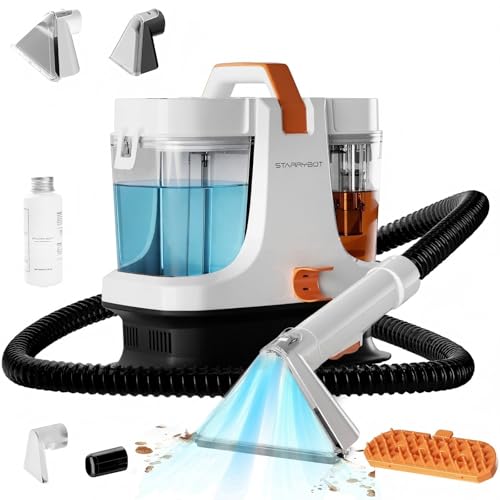
Furniture Cleaner Buying Guide: Clean & Protect Your Patio Pieces
Outdoor furniture faces sun, rain, pollen, and daily wear. The right cleaner preserves materials, extends lifespan, and keeps your patio looking fresh season after season. This guide explains what to look for and how to choose the ideal formula for every surface.
Explore Recommended OptionsWhy the Right Furniture Cleaner Matters
Outdoor furniture is an investment in your home's livability. Whether you own a wood garden bench, a metal bistro set, or a full dining arrangement, every material degrades when dirt, pollen, and organic residue accumulate. A dedicated furniture cleaner does more than remove visible grime — it protects the structural integrity and finish of your pieces.
Using the wrong product can be worse than not cleaning at all. Harsh abrasives scratch powder-coated metal, acidic formulas strip wood sealant, and bleach-based sprays weaken woven wicker fibers. A purpose-matched cleaner cleans effectively without compromising the surface it touches.
Types of Outdoor Furniture Cleaners
The market offers several categories of cleaners, each suited to different tasks and materials. Understanding these categories helps you choose confidently.
All-Purpose Outdoor Cleaners
These are formulated for routine cleaning of mixed-material furniture. They typically use mild surfactants to lift dust and light grime without damaging finishes. All-purpose cleaners are a solid starting point for households with diverse furniture collections.
Material-Specific Cleaners
Dedicated formulas exist for wood, metal, wicker, and fabric. These cleaners are optimized for the unique needs of each material — for example, wood cleaners often include oils or conditioners that replenish natural moisture, while metal cleaners may contain rust inhibitors.
Heavy-Duty & Stain Removers
When mold, mildew, bird droppings, or stubborn stains appear, a stronger cleaner is needed. Heavy-duty formulas often include oxygen-based bleaching agents or enzymatic components that break down organic matter without the aggression of chlorine bleach.
Eco-Friendly & Biodegradable Cleaners
Plant-based and biodegradable cleaners are increasingly capable. They handle everyday dirt effectively and are safer for gardens, pets, and runoff. For mold-prone climates, look for eco-friendly options that explicitly list mildew removal.
Matching Cleaners to Materials
This is the single most important decision when buying a furniture cleaner. Below is a practical breakdown by material.
Wood Furniture
Conditioning FocusWood cleaners should be pH-neutral and include conditioning oils such as teak or linseed oil. Avoid acidic or alkaline formulas that strip sealant.
Best for: Teak, acacia, eucalyptus, and painted wood.
Metal Furniture
Rust ProtectionMetal cleaners should be non-abrasive and ideally include a rust inhibitor. For aluminum and powder-coated steel, mild surfactants are sufficient.
Best for: Aluminum, wrought iron, steel, and powder-coated frames.
Wicker & Rattan
Gentle CleaningWicker requires soft-bristle application and mild cleaners. Avoid soaking synthetic wicker seams and never use bleach on natural rattan.
Best for: Synthetic resin wicker, natural rattan, and woven pieces.
Fabric & Cushions
Stain & MildewFabric cleaners should be formulated for outdoor textiles — typically solution-dyed acrylic and olefin. Look for mildew resistance and UV-safe ingredients.
Best for: Cushions, sling fabric, and outdoor upholstery.
Quality Tiers & What to Expect
Cleaners fall into distinct tiers based on formulation complexity and material compatibility. Use this framework to align expectations with intended use.
| Tier | Typical Profile | Best For |
|---|---|---|
| Essential tier | Basic surfactant formula, single-purpose | Routine dust and light grime on mixed furniture |
| Mid-tier | Material-specific formulation with added conditioners or protectants | Wood conditioning, metal rust prevention, cushion care |
| High-end tier | Multi-action formula with UV protection and mildew inhibitors | Full-season protection in humid or sunny climates |
| Professional-grade | Concentrated, commercial-strength, fast-acting | Restoring neglected furniture or pre-season deep cleaning |
Mid-tier and high-end tier formulas generally offer the strongest balance between cleaning power and material safety for homeowners who care for multiple furniture types. Professional-grade options are best reserved for deep restoration or heavy soil conditions.
Key Features to Evaluate
When comparing furniture cleaners, focus on the following attributes:
- Material compatibility: Confirm the label explicitly lists your furniture material. A cleaner that claims universal compatibility should still be tested on a hidden area first.
- pH balance: Neutral pH is safest for wood and delicate finishes. Alkaline cleaners work well on grease and mildew but should be avoided on wood.
- Protective additives: Look for UV inhibitors, rust-prevention agents, and conditioning oils — these add value beyond cleaning.
- Application format: Sprays suit quick touch-ups; concentrates offer efficiency for large sets; wipes are convenient for small or delicate pieces.
- Rinsing requirement: Some formulas need rinsing; "no-rinse" options are convenient but may leave residue on porous surfaces.
- Environmental profile: Biodegradable and plant-based formulas reduce runoff impact on gardens and lawns.
- Scent and residue: Low-odor formulas are preferable for enclosed patios or porches where ventilation is limited.
Building a Cleaning Routine
A consistent routine keeps furniture looking its best and catches problems early. Here is a practical schedule to follow:
- Weekly: Wipe down high-touch surfaces with a mild all-purpose cleaner or damp cloth. Remove pollen and dust before it bonds to finishes.
- Monthly: Clean cushions and fabric surfaces with a fabric-specific formula. Check seams and underside for mildew growth.
- Seasonal start: Deep-clean all furniture with the appropriate material-specific cleaner. Apply protectant or conditioner where recommended.
- Seasonal end: Clean thoroughly before storage. A clean piece stores better and resists mold during cooler months.
- After events: Address spills and stains immediately with a targeted spot cleaner to prevent setting.
Combining a structured cleaning routine with protective accessories — such as outdoor rugs that reduce tracked dirt — keeps your patio easier to maintain throughout the year.
Ready to Protect Your Outdoor Investment?
Explore our curated selection of furniture cleaners matched to wood, metal, wicker, and fabric. Each option is chosen for material safety, cleaning performance, and long-term protective value.
View Recommended CleanersFrequently Asked Questions
How often should I clean my patio furniture?
A light cleaning every two to four weeks during active outdoor season is ideal. Deep cleaning is recommended at the start and end of each season, plus immediately after spills, bird droppings, or heavy pollen buildup.
Can I use the same furniture cleaner on all outdoor materials?
No. Wood, metal, wicker, and fabric each require different formulations. Using a general-purpose cleaner on delicate wicker or untreated wood can cause damage. Always match the cleaner to the material.
Are eco-friendly furniture cleaners effective?
Yes. Modern plant-based and biodegradable formulas can handle most routine outdoor cleaning tasks. For stubborn stains or mold, look for eco-friendly options that specifically list mold and mildew removal on their label.
How do I prevent mold and mildew on outdoor furniture?
Keep furniture dry, allow airflow, and use mold-inhibiting cleaners during humid months. Store cushions during heavy rain and treat fabric with a mildew-resistant protector after cleaning. If mold appears, use a dedicated mildew remover and allow full sun exposure to dry.
Continue Exploring Outdoor Care
Clean furniture is the foundation of a well-kept patio. If you are planning upgrades or additions, our fire pits guide and outdoor lighting ideas help you build a complete, welcoming space. For small spaces, a folding bistro set pairs well with a regular cleaning routine and easy storage.