Front Porch Furniture: The Complete Buying Guide
Your front porch is the handshake your home offers the world. This guide walks you through every seating style, material, and layout decision so you can build a porch that is genuinely comfortable, durable, and welcoming.
Explore Seating StylesWhy porch furniture deserves careful thought: A front porch is exposed to sun, wind, rain, and constant foot traffic, yet it is also the first thing guests see. Unlike a backyard patio, porch furniture must balance curb appeal with everyday practicality. The right pieces invite you to sit down, greet neighbors, and actually use the space instead of merely decorating it.
Seating Styles That Define a Front Porch
Porch seating comes in a handful of distinct archetypes, and each one signals a slightly different lifestyle. Before comparing materials or measurements, decide which style matches how you actually want to use the space.
Rocking Chairs
The icon of porch culture. A pair of well-built rockers sets an unmistakable tone of relaxed hospitality and works beautifully on long, narrow porches.
Best for Small SpacesPorch Benches
A bench offers generous seating in a footprint that hugs the wall. Ideal for narrow porches, and many models include hidden storage under the seat.
Most RelaxingPorch Swings
A hanging swing turns a covered porch into a destination. Requires solid overhead framing, so confirm ceiling structure before choosing a model.
Most VersatileSingle Accent Chairs
A single well-chosen chair plus a side table creates a reading nook. Mix one accent chair with a bench for a layered, lived-in arrangement.
Best Value PairingMatching Rocking Sets
A matched pair arrives coordinated in finish and proportion, removing guesswork. Choose this route if you want a cohesive look with minimal planning.
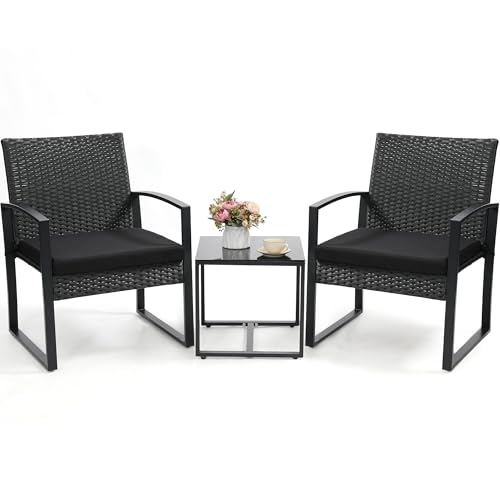
Most CompleteChairs With Table Sets
These bundles add a small table for drinks and mail, completing the functional triangle of seating, surface, and walkway in one purchase.
Choosing Materials: What Survives a Porch
A covered porch is a milder environment than an open deck, but it still cycles through humidity, temperature swings, and indirect UV exposure. Material choice is the single biggest factor in how many seasons your furniture will last.
| Material | Market Tier | Best For | Care Notes |
|---|---|---|---|
| Solid Wood (teak, acacia, cedar) | Mid-range to luxury | Traditional and farmhouse porches | Re-oil or seal annually; teak weathers gracefully to silver-gray |
| Powder-Coated Aluminum | Mid-range to premium | Modern, coastal, and minimalist styles | Rust-proof finish; wipe clean; lightweight and easy to reposition |
| High-Density Polyethylene Wicker | Entry-level to mid-tier | Humid climates and casual seating | Rinse with a hose; resistant to moisture and fading |
| Steel and Wrought Iron | Essential tier to premium | Ornate and vintage-inspired porches | Heavy and stable; inspect for chips and touch up the coating |
| Rattan and Natural Wicker | Premium to luxury | Covered porches with low direct rain | Keep dry; natural fibers degrade quickly if soaked repeatedly |
A note on tiers, not figures
Entry-level pieces generally use thinner frames and lighter hardware, mid-range models add better joinery and more refined finishes, and premium or luxury tiers bring solid construction, denser cushion foam, and longer warranties. Within any tier, a solid build with a rust-proof finish will outperform an ornate piece with thin material.
Layout Principles for Real Porches
Most front porches are rectangles, and most people line furniture against the house wall in one straight row. That works, but it rarely feels intentional. A few simple rules will make even a modest porch feel designed.
- Keep a clear walking path. Leave at least 36 inches of unobstructed width from the steps to the door. Furniture should frame the path, never block it.
- Build conversation clusters. Two chairs angled toward each other, or a bench facing a pair of chairs, reads better than a single file of seats.
- Anchor with a rug. An outdoor rug defines the seating zone and visually separates it from the door threshold. Choose a size that leaves a border of porch floor visible.
- Use a slim console table. A narrow table against the wall holds a lantern, a plant, and outgoing mail without stealing floor space. This is the highest-utility piece most people skip.
- Layer lighting. A porch light alone creates harsh shadows. Add a battery-powered lantern or a small string of lights to soften evenings.
- Respect the sight line. Keep the tallest furniture away from the door so the entry stays open and welcoming from the street.
Small Porch Strategies
On a narrow or shallow porch, scale matters more than style. Choose a bench or a single chair over a full conversation set, and favor pieces that fold or stack for seasonal storage. A folding bistro set can transform a tight landing into a coffee spot and disappear when not needed. If your porch doubles as a pass-through, a foldable outdoor chair keeps flexibility high without permanent clutter.
Long Porch Strategies
Long, narrow porches benefit from rhythm. Create two or three small zones — a rocking pair near one end, a bench centered on the door, a console table at the far end — rather than stretching a single arrangement across the full length. If you are furnishing a deeper covered area that opens onto a yard, it can be worth coordinating the porch with adjacent outdoor zones such as a fire pit seating area so the transition from entry to backyard feels continuous.
Cushions, Comfort, and Weatherproofing
Porch furniture is only as comfortable as its cushions, and cushions are the first component to fail. Prioritize closed-cell foam cores wrapped in solution-dyed acrylic fabric. These resist moisture absorption and UV fading far better than open-cell foam and standard polyester covers.
- Check the foam core. Quick-dry foam with a drainage-friendly cover prevents the soggy-seat problem that plagues porch cushions.
- Choose removable covers. Zippered covers that can be machine-washed extend the usable life of the cushion by years.
- Store cushions when not in use. A small deck box or a cushion storage solution keeps them dry and out of the sun between uses.
- Cover furniture off-season. Even covered porches collect dust and pollen. A fitted cover protects frames and reduces cleaning.
- Inspect hardware yearly. Tighten bolts, touch up chips in powder coating, and check swing chains for wear at the start of each season.
Weatherproofing tip
If your porch is partially exposed, place the most weather-sensitive piece — typically an upholstered bench — closest to the house wall, and keep hard-surface seating like aluminum or poly wicker near the open edge. This simple swap dramatically reduces wear on the pieces that need it most.
Styling Your Porch by Design Theme
The furniture you choose sets the structural tone, but styling finishes the story. A few coherent accents will make a porch feel curated rather than assembled.
Classic and Traditional
Wooden rockers with turned spindles, a bench with a slatted back, and warm earth-toned cushions form the traditional core. Add a woven doormat, a pair of lanterns, and a hanging fern. This is the most forgiving style because the pieces age well and suit nearly every house facade.
Modern and Minimalist
Clean-lined aluminum chairs with low backs, a slim metal bench, and a monochrome cushion palette create a modern porch. Keep decorative objects to a minimum — one large planter and a single geometric lantern is enough. Negative space is the design feature here.
Coastal and Casual
Whitewashed wood, light blue and sand-toned fabrics, and poly wicker seating evoke a seaside feel without requiring an ocean view. Rope detailing and striped cushions reinforce the theme. This style pairs naturally with a garden fountain nearby for soft ambient sound.
Farmhouse and Rustic
Heavy timber benches, distressed finishes, and galvanized metal accents anchor a farmhouse porch. A front porch bench with storage underneath fits this aesthetic perfectly, and a wooden garden bench can extend the same look into the yard.
Common Mistakes to Avoid
- Buying before measuring. Measure the porch depth, the door swing clearance, and the step width before ordering anything. A piece that blocks the door is a piece you will never use.
- Ignoring the ceiling for swings. A porch swing needs structural framing rated for dynamic load. Verify joist condition or hire a professional before hanging.
- Overfilling the space. A porch with two chairs and breathing room feels larger than a porch crammed with a full set.
- Skipping cushion storage. Cushions left out through rain and sun are the most common porch furniture failure point.
- Mismatched scale. A deep, oversized sofa on a shallow porch dwarfs the entry. Match furniture depth to porch depth.
- Forgetting the entry zone. The area directly in front of the door should stay clear and visually calm. Style the edges, not the threshold.
Frequently Asked Questions
For a small front porch, choose scaled-down pieces like a single front porch chair paired with a small side table, a folding bistro set, or a narrow front porch bench. Prioritize pieces that serve double duty and keep walkways clear.
Yes. Even weather-resistant pieces benefit from covers during off-season months or heavy storms. Covers prevent dirt buildup, reduce UV fading, and extend the lifespan of cushions and frames.
Arrange seating in small conversation clusters rather than one long row. A pair of rocking chairs facing a bench, with a slim console table between them, breaks up the visual line and makes the porch feel intentional.
Wood, powder-coated aluminum, and high-density polyethylene wicker all perform well. On covered porches, wood and natural wicker last longer than on open decks because they are shielded from direct rain and harsh sun.
Bringing It All Together
A great front porch is not built from a single purchase — it is assembled from a few deliberate choices. Start by deciding how you want to use the space: a quiet reading corner, a social spot for neighbors, or a shaded retreat. Then choose seating that fits the footprint, pick materials that match your climate, and layer in cushions, lighting, and a rug to soften the hard surfaces.
Measure first, keep the entry clear, and resist the urge to fill every inch. A porch with two well-chosen chairs and room to breathe will always feel more inviting than one packed with furniture. Once your foundation is set, you can refine the details season by season — which is exactly how the best porches evolve over time.