Foldable Outdoor Chairs: The Complete Buying Guide
Everything you need to know before choosing portable seating for your patio, deck, campsite, or balcony — frame types, fabrics, comfort features, and space-saving storage explained in plain language.
Start With the Buying FactorsWhy foldable outdoor chairs deserve careful research: A folding chair looks simple, but the difference between a satisfying purchase and a frustrating one usually comes down to frame gauge, hinge quality, fabric weight, and how the chair folds. This guide walks you through each of those decisions so you can match a chair to your actual use case — everyday patio lounging, occasional guest seating, or travel and camping.
What Makes Foldable Outdoor Chairs Different
Unlike fixed patio seating, foldable chairs are defined by their collapsing mechanism. That single feature shapes nearly everything else: the frame must be engineered around a hinge or pivot, the fabric usually needs to be tensioned across that frame, and the folded footprint determines whether the chair is genuinely convenient to store or transport. If you are furnishing a small balcony or an apartment patio, this category is often the most practical starting point — see our broader notes on foldable outdoor chairs for context on how they fit into a full outdoor seating plan.
Foldable chairs also span an unusually wide quality range. A lightweight camping chair and a heavy-duty folding Adirondack-style chair share the same basic idea but serve very different purposes. Understanding which sub-category you actually need is the first decision — and it prevents the common mistake of buying a travel chair for permanent patio use, or an oversized folding chair for a car trunk.
Key Buying Factors to Evaluate
Frame Material
Aluminum is lightweight and rust-resistant, making it the default choice for portable chairs. Powder-coated steel is heavier but very rigid. High-grade steel with a rust-proof finish suits semi-permanent patio use where the chair rarely moves.
Fabric & Webbing
Solution-dyed fabrics resist fading better than surface-printed ones. Textilene and tightly woven polyester are common for patio folding chairs, while heavier canvas and reinforced webbing appear on camping and lawn models.
Folded Footprint
Measure the folded dimensions, not just the open ones. Flat-folding chairs slide behind doors or under beds; umbrella-fold chairs collapse into a compact tube but can be taller when stored.
Weight & Carry Method
If you will move the chair regularly, check the carry handle, shoulder strap, and packed weight. Chairs with a bag are easier to transport but slower to set up than models that fold flat and stack.
Hinge & Lock Quality
The folding mechanism is the first part to fail on a poorly built chair. Look for reinforced hinges, locking pins, and riveted or welded joints rather than simple pressure-fit connections.
Seat Height & Recline
Standard patio seat height suits dining and conversation. Lower sling-style chairs favor lounging. Reclining models add comfort but introduce more moving parts, so hinge quality matters even more.
Frame Materials Compared
| Frame Type | Best For | Strengths | Trade-offs |
|---|---|---|---|
| Powder-coated aluminum | Portable patio and balcony seating | Light, rust-resistant, easy to move | Lighter gauge frames can flex under heavier users |
| Powder-coated steel | Semi-permanent deck chairs | Very rigid, stable, solid build | Heavier to carry and reposition |
| High-grade stainless steel | Coastal and humid climates | Excellent corrosion resistance, durable construction | Noticeably heavier and positioned in premium tiers |
| Reinforced resin / composite | Everyday lawn and garden use | Weatherproof, no rust, simple to clean | Can become brittle in extreme cold over many seasons |
Common Types of Foldable Outdoor Chairs
The category splits into a few distinct designs. Each solves a different problem, and choosing the right one matters more than comparing minor features within the wrong type.
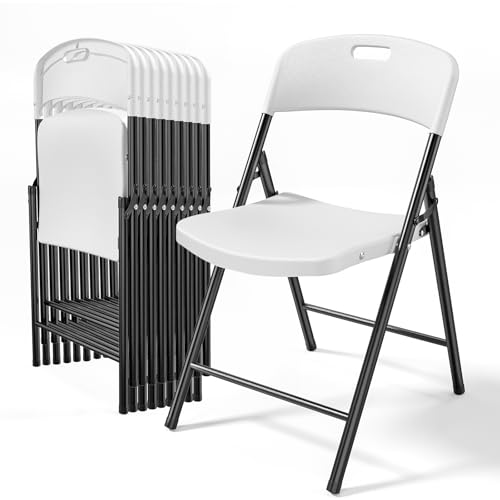
- Flat-folding patio chairs — the classic sling or mesh chair that folds flat for storage against a wall. Ideal for small patios and balconies where floor space is limited.
- Folding Adirondack-style chairs — a deeper, reclined seat for lounging. Heavier than sling chairs but far more comfortable for long afternoons. See our guide to folding Adirondack chairs for the full comparison.
- Camping and lawn chairs — built around a compact packed size and a carry bag. Often include cup holders and side pockets. Good for travel but usually less refined for permanent patio display.
- Zero-gravity and reclining chairs — engineered for full-body recline. The mechanism is more complex, so hinge quality and frame rigidity are the deciding factors.
- Rocking folding chairs — add motion for porch and campfire seating. Stability on uneven ground is the key concern; see folding rocking chairs for stability notes.
- Director and bistro-style folding chairs — a more upright, table-friendly seat. Often paired with a folding bistro table for compact dining setups.
Understanding Quality Tiers
Because foldable chairs vary so widely, it helps to think in quality tiers rather than trying to compare individual models in isolation. The descriptors below are relative positions in the market and are used consistently throughout this guide.
Essential Tier
Simple frames and basic fabrics. Suitable for occasional use, guest overflow seating, and travel. Expect a thinner frame gauge and a simpler hinge design — fine for light, infrequent use.
Balanced Tier
The most common choice for regular patio use. Better fabric weight, smoother folding mechanisms, and reinforced joints. This tier usually offers the best balance of comfort and durability for most households.
High-End Tier
Heavier-gauge frames, solution-dyed fabrics, and refined locking hardware. Often designed to stay outdoors year-round with minimal attention. A long-term investment for a permanent patio setup.
Flagship Tier
Commercial-grade construction, precision hinges, and premium upholstery. Built for daily use and often specified for hospitality settings. Overkill for occasional seating, but efficient in the long run for heavy use.
A useful rule: a mid-range model typically offers a noticeably smoother folding action and more stable footing than an entry-level chair, while a premium model mainly buys you longevity and better fabric performance rather than dramatically different comfort.
How to Choose the Right Chair for Your Space
Start with the use case, then work backward to the features. For a compact balcony where the chair lives outdoors permanently, prioritize weather resistance and a flat-fold design that stores against the wall. For a deck used for entertaining, prioritize seat height that matches your existing table and a stable, rigid frame. For camping and road trips, prioritize packed size and carry comfort above all else.
If your patio doubles as a fire pit zone, folding chairs are a natural fit because they can be moved around the fire and stored away afterward. Our fire pit seating guide covers how folding chairs fit into a circular conversation layout, and the fire pit with Adirondack chairs overview explains when a deeper reclined seat is the better choice.
For small-space patios, pairing folding chairs with a folding table creates a setup that disappears entirely when not in use. Browse foldable chair and table combinations and folding bistro sets to see how the combination works in practice.
Care and Longevity
Foldable chairs last longest when the folding mechanism is kept clean and the fabric is dried before storage. Grit trapped in hinges accelerates wear, and folding a damp chair traps moisture against the frame. A quick wipe-down with a mild cleaner and a fully dry fold-down at the end of the season will extend the life of most chairs considerably.
For frame and fabric maintenance routines that apply across outdoor seating, see our outdoor furniture cleaner guide. If your chairs stay outside through winter, a storage plan matters as much as the chair itself.
Frequently Asked Questions
Are foldable outdoor chairs strong enough for daily patio use?
Yes, provided you choose the right tier. Mid-range and premium folding chairs with reinforced hinges and heavier-gauge frames are designed for regular use and hold up well outdoors. Entry-level chairs are better suited to occasional or travel use.
Can foldable chairs be left outside in the rain?
Most patio-grade folding chairs are weather-resistant rather than fully weatherproof. They can handle occasional rain, but standing water in hinges and prolonged damp fabric will shorten their life. Folding them away or covering them during extended wet periods is the safer habit.
Aluminum or steel frame — which should I pick?
Choose aluminum if the chair will be moved frequently, since it is lighter and rust-resistant. Choose steel if the chair stays in one place and you want maximum rigidity. For coastal or very humid environments, stainless steel or well-coated aluminum is the safer long-term choice.
What is the most space-efficient folding design?
Flat-folding chairs store with the smallest depth against a wall or under furniture. Umbrella-fold chairs pack into a narrower tube but are usually taller when stored. Measure your storage location before deciding which design fits.
Do folding chairs work well around a fire pit?
They do, and they are popular for that use because they can be arranged freely and stored afterward. Choose a chair with a stable base and keep it at a safe distance from the flames. Our fire pit seating guide covers layout considerations in more detail.
How do I stop a folding chair from wobbling?
Wobble usually comes from a worn hinge, a bent frame leg, or an uneven surface. Check that all locking pins are fully engaged and that the frame legs are straight. On uneven ground, repositioning the chair is usually enough; persistent wobble on a flat surface suggests the mechanism is worn.