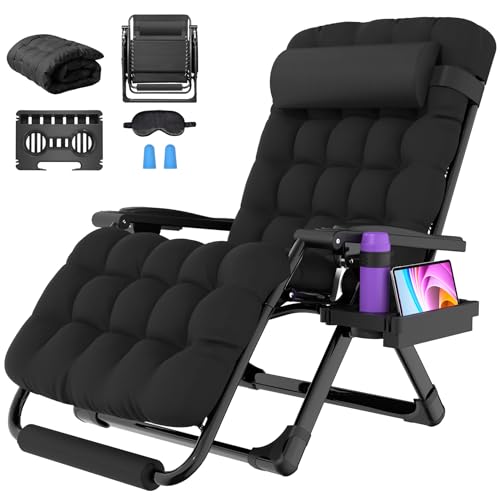
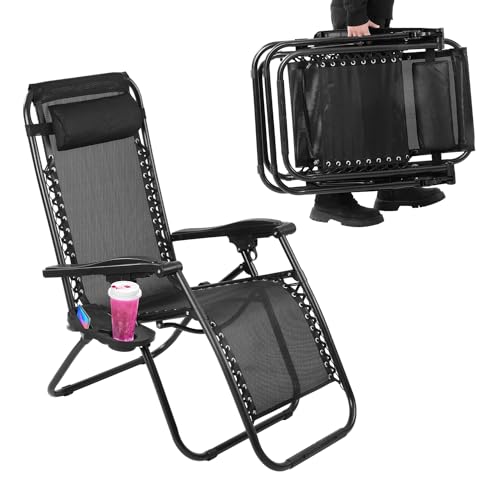
Folding Recliner Chair: Portable Comfort for Every Outdoor Space
Whether you are lounging on a patio, relaxing at the beach, or unwinding at a campsite, a folding recliner chair delivers adjustable comfort in a package that stores and travels easily. This guide explains every feature that matters so you can choose with confidence.
Explore Recommended ModelsWhy a folding recliner deserves a closer look: Most outdoor seating is either comfortable or portable, rarely both. A well-built folding recliner chair bridges that gap. It folds flat for storage, sets up in seconds, and offers multiple recline positions that convert a simple seat into a proper lounging station. For anyone building a flexible outdoor setup, it is one of the most practical additions you can make.
What Makes a Folding Recliner Chair Different
A folding recliner combines three systems in one product: a collapsible frame, a backrest that adjusts through several angles, and a fabric seat that supports the body across the recline range. Unlike a fixed lounge chair, it can be packed away when the season ends. Unlike a basic camp chair, it lets you lie back rather than sit upright.
The recline mechanism is the defining component. Entry-level models often use a simple notched bar that locks the backrest at a few preset angles. Mid-range models tend to use a smoother ratchet or lever system with more positions. Premium and high-end tier recliners frequently feature a tension-controlled mechanism that allows gradual adjustment and holds the chosen angle firmly under body weight.
If your main goal is sunbathing or full-body lounging, you may also want to compare this category with dedicated folding chaise lounge designs, which typically recline further and offer a longer seat surface. For a broader view of portable seating, our guide to foldable outdoor chairs covers the full range of options.
Frame Materials and Construction
The frame determines how stable the chair feels, how much it weighs, and how long it lasts. Three materials dominate the market:
- Powder-coated steel: The most common choice for mid-range recliners. It is strong, holds recline angles well, and resists rust when the coating is intact. The trade-off is weight, so steel recliners are usually best for patio and garden use rather than backpacking.
- Aluminum: Lighter and naturally rust-resistant, aluminum frames suit buyers who move the chair frequently or leave it outdoors in humid climates. Premium aluminum models often use thicker tubing to match the rigidity of steel.
- Reinforced composite or high-grade plastic joints: Often combined with metal tubing to reduce weight and add flexibility. Quality varies widely, so check that joints are described as heavy-duty or reinforced rather than simple molded plastic.
Pay attention to the hinge points and the locking mechanism. These are the parts that fail first on poorly built chairs. A solid build with riveted or bolted joints and a clearly described locking system is a worthwhile investment for anyone planning regular use.
Fabric and Weather Resistance
Outdoor recliner fabric needs to handle sun, moisture, and repeated folding without cracking or fading. Solution-dyed fabrics, often marketed under names like acrylic or olefin blends, hold color well and resist UV damage. Polyester mesh is breathable and quick-drying, which makes it a strong choice for beach and poolside use.
If the chair will live on an uncovered patio, prioritize fabric described as UV-resistant and water-repellent. If it will mostly travel, a lighter mesh or canvas that dries quickly is more practical. For maintenance guidance that applies to all outdoor fabrics, see our notes on furniture cleaners and general fabric care.
Recline Positions and Comfort Range
The number of recline positions matters less than the range they cover. A good folding recliner should move from an upright seated position through a relaxed lean to a near-flat lounge angle. Some models also include an adjustable footrest or a leg rest that extends, which significantly improves comfort during long lounging sessions.
Consider how you will use the chair. Reading and conversation favor a mid-recline with good lumbar support. Sunbathing and napping favor a deeper recline. If you want a chair that does both without compromise, look for a model with a continuous adjustment range rather than three or four fixed notches.
Size, Weight, and Portability
Folding recliners sit on a spectrum from patio-fixed to trail-ready. Before choosing, decide where the chair will spend most of its time:
- Patio and deck: A slightly heavier steel recliner with a wider seat and padded fabric offers the most comfortable daily experience.
- Beach and pool: Prioritize rust-resistant materials, quick-drying fabric, and a low profile that sits close to the sand or deck.
- Camping and events: Look at folded dimensions and carry weight. A chair that folds into a compact bundle with a carry strap is far easier to transport.
For buyers who want a similar lounging experience in a different form factor, our guide to the folding lounge chair outdoor category covers alternatives that emphasize full-body support.
Quality Tiers at a Glance
Folding recliner chairs fall into recognizable tiers based on construction, adjustment mechanism, and fabric quality. Use these descriptors to compare models on equal footing:
Entry-Level Tier
Basic notched recline, lighter tubing, simpler fabric. Best for occasional use, covered porches, and casual seating where the chair is not in constant sun.
Mid-Range Tier
Smoother recline mechanism, powder-coated steel or aluminum frame, UV-resistant fabric. A balanced choice for regular patio and garden use.
Premium Tier
Continuous recline adjustment, reinforced joints, solution-dyed fabric, and often an integrated leg rest. Built for daily outdoor exposure.
Luxury / Commercial-Grade
Heavy-duty frames, higher weight capacity, refined mechanisms, and premium materials. Suited to intensive use or shared outdoor spaces.
Folding Recliner vs. Other Outdoor Loungers
Understanding how a folding recliner compares to related categories helps you pick the right chair the first time:
| Category | Best For | Trade-Off |
|---|---|---|
| Folding recliner chair | Portable lounging with adjustable backrest | Less full-body support than a chaise |
| Folding chaise lounge | Sunbathing and near-flat recline | Longer folded size, heavier |
| Zero gravity chair | Weightless reclining and pressure relief | Bulkier frame, less compact folding |
| Folding rocking chair | Gentle motion and relaxation | Limited recline range |
If motion is a priority, explore foldable rocking chair options. If full recline and leg support matter most, the folding zero gravity chair is the natural next step.
How to Choose the Right Folding Recliner Chair
Work through these questions in order. Each answer narrows the field quickly:
- Where will it live? Uncovered patio calls for UV-resistant fabric and rust-proof finish. Travel and camping call for lighter weight and compact folding.
- How often will it be used? Daily use justifies a mid-range or premium model with a smoother mechanism. Occasional use is well served by an entry-level chair.
- Who will sit in it? Check the stated weight capacity and seat width. Heavier users should look for heavy-duty or commercial-grade construction.
- How far will it recline? Confirm the recline range and whether a leg rest is included if lounging is the main goal.
- How will it be stored? Measure folded dimensions against your storage space before deciding.
For a broader look at portable patio seating, the folding patio chairs guide covers adjacent styles, and folding lounge chairs explores the full lounger category.
Care and Maintenance
A folding recliner chair lasts longer with simple routine care. Wipe the frame with a damp cloth after exposure to salt air or pool water. Clean fabric with mild soap and water, then let it dry completely before folding to prevent mildew. Apply a light lubricant to hinge points once or twice a season, and store the chair under cover or indoors during extended wet or freezing weather.
Inspect the locking mechanism periodically. If the backrest slips under weight, stop using the chair until the mechanism is repaired or replaced. For weatherproofing techniques that apply across outdoor furniture, see our weatherproofing guide.
Frequently Asked Questions
What should I look for in a folding recliner chair for outdoor use?
Focus on frame material, recline mechanism, fabric weather resistance, weight capacity, and folded dimensions. A powder-coated steel or aluminum frame with a locking recline system and solution-dyed fabric covers most outdoor needs well.
Are folding recliner chairs suitable for daily patio use?
Yes, provided you choose a model with a durable frame and UV-resistant fabric. Mid-range and premium folding recliners are built for regular outdoor exposure, while entry-level models are better suited to occasional use or covered areas.
How do I maintain a folding recliner chair?
Wipe the frame with a damp cloth, clean fabric with mild soap and water, dry thoroughly before folding, lubricate hinge points occasionally, and store the chair indoors or under a cover during extended wet or cold periods.
Can a folding recliner chair support heavier adults?
Many heavy-duty models are rated for higher weights through reinforced frames and wider seating. Check the manufacturer's stated weight capacity and look for models described as heavy-duty or commercial-grade if you need extra support.
Ready to Choose Your Folding Recliner?
Use the recommended models below to compare frame types, recline mechanisms, and fabric options side by side. Every selection reflects the features covered in this guide.
View Recommended Chairs