Foldable Rocking Chair: The Complete Buying Guide
Blend the soothing motion of a classic rocker with the storage and travel convenience of a folding chair. Learn how frames, fabrics, and locking systems differ so you can choose the right portable rocking chair for your patio, porch, campsite, or balcony.
Explore Top PicksWhy a foldable rocking chair earns its place: Traditional rocking chairs are wonderful but bulky. A folding rocker collapses into a slim bundle that fits in a closet, car trunk, or RV storage bay, yet still delivers the gentle back-and-forth motion that makes outdoor lounging so relaxing. The trade-off is that frame rigidity, fabric durability, and locking hardware matter far more on a portable unit than on a stationary chair.
This guide walks through the materials, mechanisms, and tier differences that separate a wobbly entry-level rocker from a stable, long-lasting portable chair, so you can buy with confidence rather than guesswork.
What Exactly Is a Foldable Rocking Chair?
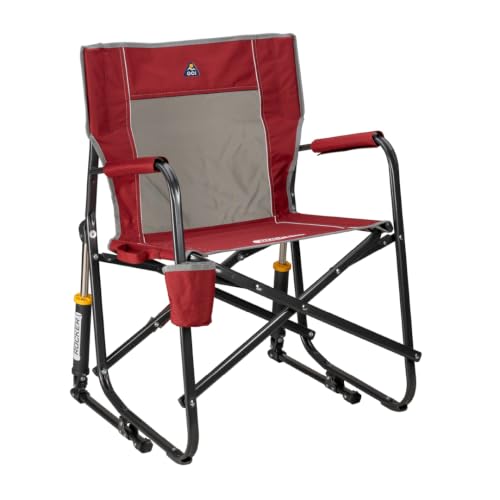
A foldable rocking chair is a rocking seat built on a collapsible frame. Instead of a solid wooden rocker with fixed arcs, the portable version uses hinged tubular metal or reinforced composite joints. The rocker arcs may be part of the folding leg assembly, or they may be separate curved rails that attach to the frame. When folded, the chair typically flattens into a package roughly the size of a large duffel bag, and many models include a carry strap or tote bag.
The category sits between two relatives. It is more portable than a front porch rocking chair, which is usually assembled and left in place, and it is more comfortable for long sitting sessions than a basic camp chair. If you want a fixed rocker for a permanent porch setup, a front porch rocking chair set with table may suit you better. But if you split your time between a deck, a balcony, and weekend trips, the folding format is the practical choice.
Buyers often compare this chair to the broader folding rocking chairs category and to folding patio chairs that do not rock. The key distinction is the rocker geometry: a proper foldable rocker has curved rails or a suspension system that produces controlled motion without tipping.
The Anatomy of a Good Portable Rocker
Four components determine whether a folding rocking chair feels stable or sketchy. Understanding them makes spec sheets far easier to read.
Frame Material
High-grade steel offers the most rigidity and typically supports higher weight ratings, but it is heavier to carry. Aircraft-grade aluminum cuts weight dramatically and resists rust, making it the preferred choice for camping and balcony use. Powder-coated finishes protect both metals from moisture.
Rocker Arc Design
Wide, gently curved arcs deliver a smooth, controlled motion. Narrow or shallow arcs feel twitchy. Mid-range and premium models often add anti-tip geometry or a rear stabilizer bar so the chair cannot rock backward past a safe angle.
Locking & Hinge System
Quick-release pins, spring-loaded locks, and reinforced hinge plates keep the frame rigid when open. A quality lock should engage with a positive click and show no play. Cheaper friction locks loosen over time and cause side-to-side wobble.
Seat Fabric
Solution-dyed polyester and breathable mesh resist UV fading and dry quickly after rain. Padded 600D oxford fabric adds comfort for longer sits. Fabric should be taut when the frame is open, since sagging reduces back support.
Entry-Level vs. Mid-Range vs. Premium: What Changes
Foldable rocking chairs fall into three broad market tiers. Rather than thinking in numbers, focus on what each tier delivers in build quality and longevity.
| Tier | Frame & Hardware | Comfort & Fabric | Best For |
|---|---|---|---|
| Entry-level | Standard steel tubing, basic friction hinges, thinner powder coat | Single-layer polyester, minimal padding, narrower seat | Occasional balcony use and light seasonal sitting |
| Mid-range | Reinforced steel or aluminum, positive-lock hinges, wider rocker arcs | Padded oxford fabric, breathable mesh panels, contoured back | Regular patio and porch use, weekend camping |
| Premium | Aircraft-grade aluminum, anti-tip geometry, stainless hardware, high weight rating | Solution-dyed acrylic or heavy-duty mesh, ergonomic lumbar support, cup holder | Frequent travel, full-season outdoor placement, heavier users |
A mid-range model usually offers the smoothest balance: it rocks quietly, folds without binding, and holds up to repeated setup and takedown. Entry-level chairs can work well for light, occasional use, but the hinges are the first part to loosen. Premium chairs justify their position through hardware quality and weight ratings, not through decorative extras.
Quick Tier Guide for Shoppers
- Essential tier: Basic folding rocker with a steel frame and simple lock. Good value for its tier if you only rock a few times a week on a covered balcony.
- Balanced tier: The sweet spot for most households. Aluminum or reinforced steel, padded fabric, and a reliable lock that stays tight season after season.
- Top-tier: Professional-grade travel rockers with anti-tip design, high weight capacity, and weather-resistant fabrics that shrug off UV and rain.
Matching the Chair to Your Space
The same chair that excels at a campsite may be wrong for a windy rooftop. Consider where the chair will live most of the time.
Patio and Deck
On a patio, a folding rocker pairs well with a small side table and a folding camp chair for guests. Choose a model with a slightly wider seat and a cup holder if you plan to sit for long stretches. Because patios are often uncovered, confirm the fabric is UV-resistant and the frame finish is rated for occasional moisture. If you want to anchor the seating area visually, place the rocker near a fire pit table so the rocking motion faces the warmth.
Front Porch
Porches are usually sheltered, which makes them ideal for fabric-heavy models. A padded folding rocker with a high back feels more like a traditional front porch chair while still folding away for winter. If you entertain on the porch, consider pairing the rocker with a front porch rocking chairs set of 2 for a coordinated look, or keep a front porch swing as the centerpiece and use the folding rocker as flexible overflow seating.
Camping and Travel
Weight and folded size dominate here. Look for aluminum frames under the typical steel weight, a compact fold, and a carry bag. A folding rocking lawn chair in a bag format is especially convenient for car camping. Mesh fabric dries faster after morning dew, and a low center of gravity keeps the chair steady on uneven ground.
Small Balcony or Apartment
When floor space is tight, the ability to fold flat and lean against a wall is the main attraction. Pair the rocker with a folding bistro table to create a compact coffee corner that disappears when not in use. A folding table and chair set can complement the rocker if you need a matching surface for drinks or a laptop.
The Pre-Purchase Checklist
Run through these points before you commit. Each one maps to a real failure mode reported by owners of portable rockers.
- Check the weight rating. Compare the stated capacity with the heaviest person who will use the chair, then add a margin for dynamic rocking forces.
- Test the lock mentally. Look for positive-lock hinges with a visible pin or spring mechanism. Friction-only locks wear out first.
- Inspect the rocker arc width. Wider arcs equal smoother motion. Very narrow arcs feel unstable, especially on uneven surfaces.
- Confirm the folded dimensions. Measure your storage closet or car trunk before ordering. Folded length matters as much as folded width.
- Check fabric UV resistance. Solution-dyed fabrics hold color far longer than surface-dyed ones when exposed to sun.
- Look for anti-tip features. A rear stabilizer or extended rear arc prevents backward tip-over, a common complaint on entry-level rockers.
- Verify the frame finish. A rust-proof finish and sealed hinge pins matter if the chair will see dew, rain, or coastal air.
- Consider the carry system. A padded shoulder strap or included tote bag makes a real difference for travel use.
- Read warranty terms. Frame warranties are usually longer than fabric warranties; understand what is covered before you buy.
Care and Maintenance for Longevity
A folding rocker lasts longer with minimal upkeep. Wipe the frame with a damp cloth and mild soap after dusty outings, then dry the hinge points thoroughly to prevent corrosion. Lubricate metal hinges once per season with a silicone-based spray, not oil, which attracts grit. Store the chair folded and dry rather than leaving it open in rain; trapped moisture between the fabric and frame is the leading cause of mildew and finish failure.
For fabric, brush off loose dirt before washing. Most removable seats are hand-washable with cold water and mild detergent. Avoid machine drying, which can shrink synthetic webbing. If the chair lives outdoors year-round, a fitted cover or a free-standing patio cover next to house setup will extend fabric life considerably. Owners who also maintain other outdoor seating often consult a general furniture cleaner guide for compatible products.
Mistakes to Avoid When Buying
The most common regret among foldable rocker owners is underestimating the importance of the hinge. A chair that wobbles after a few months usually has a friction-lock design that was never meant for daily use. The second most common regret is buying a chair that is technically portable but awkward to fold; if the lock requires two hands and a struggle, it will stay open in the garage rather than travel with you.
Another pitfall is ignoring the surface you will rock on. Deep-pile rugs, gravel, and sloped decks all change how a rocker behaves. A chair with a slightly longer arc and a rear stabilizer handles imperfect surfaces better. Finally, do not assume all "rocking" foldable chairs actually rock: some are simply reclining camp chairs with a curved back. Confirm the presence of true rocker rails or a suspension rocker mechanism before ordering.
Frequently Asked Questions
What is a foldable rocking chair?
A foldable rocking chair is a portable rocking seat with a frame that collapses flat or into a compact bundle. It combines the gentle motion of a rocker with the storage and transport convenience of folding chairs, making it suitable for patios, porches, campsites, and balconies.
Are foldable rocking chairs stable enough for daily use?
Yes, when the frame is made from high-grade steel or aircraft-grade aluminum and the rocker arcs are wide and reinforced. Mid-range and premium models typically include anti-tip geometry and locking mechanisms that keep the chair stable during rocking and folding.
Can a folding rocking chair be left outdoors?
It depends on the materials. Powder-coated steel and aluminum frames with UV-resistant fabric can handle occasional outdoor exposure, but most folding rockers are designed for portability rather than permanent weather exposure. For full-time outdoor placement, consider a dedicated outdoor rocking chair with marine-grade hardware.
How much weight can a portable rocking chair support?
Weight capacities vary by tier. Entry-level models often support around 250 pounds, while mid-range and premium models commonly handle 300 to 350 pounds. Always check the manufacturer's stated weight rating before purchasing.
What should I look for in a folding rocking chair for camping?
Look for a lightweight aluminum frame, a compact folded profile, a carry bag, and a low center of gravity. Quick-release locking pins and breathable mesh fabric are also valuable for campsite use.
Ready to Pick Your Portable Rocker?
Our curated product picks below cover the most reliable foldable rocking chairs across entry-level, mid-range, and premium tiers. Compare frame materials, locking systems, and comfort features side by side, then choose the chair that fits your space and routine.
View Recommended Chairs