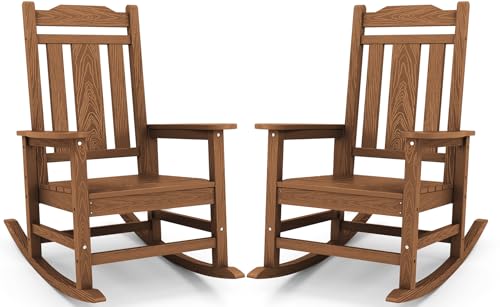
Front Porch Rocking Chairs Set of 2: The Complete Buying Guide
Everything you need to know before choosing a matching pair of rocking chairs for your front porch — from frame materials and rocking mechanics to sizing, comfort, and long-term care.
Research-backed guidance for confident outdoor buying decisionsA front porch rocking chairs set of 2 is one of the most rewarding outdoor purchases you can make. It transforms a bare porch into a welcoming place to sip coffee in the morning, greet neighbors, or unwind after a long day. But not every pair of rocking chairs is built for porch life. Wind, rain, sun exposure, and daily use all affect how a set performs over time.
This guide is written for shoppers who already know they want a matching pair of porch rockers and now need clear, trustworthy information to make the right choice. We will walk through frame materials, rocking mechanisms, seat dimensions, weight capacity, weather resistance, and maintenance so you can compare options with confidence.
Why a Matching Set of Two Rocking Chairs Works Best
A coordinated pair is more than a design choice — it is a practical one. Matching chairs create visual symmetry on a porch, which is especially important on narrow or symmetrical facades. A set of two also guarantees identical seat height, armrest height, and rocking motion, so both chairs feel consistent when used side by side.
Beyond aesthetics, buying as a set usually means the chairs share the same finish batch, hardware, and assembly instructions. That consistency reduces the chance of mismatched tones or slightly different rocking behavior. For households that entertain or simply enjoy morning conversation, a pair is the natural starting point. If you later want to expand, you can browse additional front porch rocking chairs to complement the set.
Many buyers also consider a version with a small side table between the chairs. That layout keeps drinks and reading materials within reach. You can explore dedicated front porch rocking chair set with table options if a three-piece arrangement suits your porch better.
Frame Materials: The Foundation of a Porch Rocker
The frame material determines weight, durability, weather resistance, and how much maintenance the chairs will need. Below are the most common options for porch rocking chairs, described by their market position and characteristics rather than by any numeric figures.
Wood Frames
Wood remains the classic choice for a front porch. Hardwoods such as teak, acacia, and eucalyptus are naturally dense and resist moisture well, while softer woods like pine and cedar need more protective finishing. Wood rockers feel solid, develop character over time, and suit traditional, farmhouse, and craftsman homes. The trade-off is weight and periodic re-sealing. If you love the look of natural grain, wood is hard to beat, and our guide to front porch furniture covers how wood pairs with other porch pieces.
Metal Frames
Aluminum, steel, and wrought-iron frames are popular for their slim profiles and structural strength. Aluminum is lightweight and naturally rust-resistant, making it a strong fit for humid climates. Steel and wrought iron feel heavier and more anchored, which some people prefer on windy porches. Powder-coated finishes in matte black, bronze, or sage green are common. Look for a rust-proof finish and reinforced joints if the chairs will stay outdoors year-round.
Wicker and Resin Wicker
Wicker-style rockers offer texture and a relaxed, coastal or cottage feel. Natural wicker needs protection from prolonged rain, while all-weather resin wicker is engineered to handle sun and moisture with far less fuss. Resin wicker over an aluminum frame is a balanced option: it looks woven but behaves like modern outdoor furniture. These chairs often come with removable cushions, which adds comfort but also requires storage planning.
Poly Lumber and Composite
Poly lumber — made from recycled plastics — has become a serious contender for porch seating. It does not rot, splinter, or need painting, and it holds color well under UV exposure. Composite frames behave similarly. These materials sit in the mid-tier to high-end tier of outdoor furniture and are a long-term investment for buyers who want low maintenance. They are heavier than aluminum but lighter than dense hardwood.
Comparing Rocking Chair Tiers at a Glance
To help you orient your search, here is how porch rocking chair sets typically differ across quality tiers. The descriptors below are universal market positions, not numeric figures.
| Tier | Typical Construction | Best For | Maintenance Profile |
|---|---|---|---|
| Entry-level | Lightweight aluminum or resin frames, basic sling or thin cushion seats | Seasonal porches, renters, occasional use | Minimal; inspect hardware each season |
| Mid-range | Powder-coated steel or aluminum, resin wicker, or mid-density hardwood | Year-round porches in moderate climates, daily use | Periodic cleaning, occasional tightening |
| Premium | Teak, acacia, high-grade steel, or reinforced resin wicker with quality cushions | Primary seating on covered porches, families | Seasonal sealing for wood; washing for others |
| Luxury | Solid teak, marine-grade stainless hardware, thick tailored cushions, precision rockers | Statement porches, long-term investment seating | Scheduled care; highly durable construction |
In general, moving up a tier buys smoother rocking mechanisms, tighter joinery, better cushion foam, and finishes that hold up longer under sun and rain. A mid-range set is often the balanced choice for a covered front porch used every day, while an entry-level set can work well for a screened porch or a secondary seating area.
Rocking Mechanism and Motion
The rocker is the heart of the chair. A well-designed rocker glides smoothly without wobble, squeak, or excessive tilt. Here is what to check:
- Runner curvature: Gentle curves suit relaxed lounging; deeper curves create a stronger rocking motion that some people find harder to control.
- Runner material: Wood runners are traditional and quiet indoors but need protection outdoors; metal runners last well but can scratch delicate porch floors without pads.
- Stability test: A good chair should feel planted when you sit down and rise. Look for wide runner spacing and reinforced cross-bracing.
- Noise: Squeaks usually come from loose joints or dry wood. Mid-range and premium chairs tend to use tighter joinery and smoother hardware.
If you want the relaxing motion without a full-size rocker, a foldable rocking chair or a folding rocking chairs option can be useful for flexible or smaller porches, though these are typically lighter-duty than a dedicated pair.
Sizing Your Porch and Your Chairs
Measure before you buy — this is the single most common avoidable mistake. Start with the usable width of your porch, then subtract door swing clearance and any steps or railings.
As a practical approach, plan for each rocking chair to occupy roughly its seat width plus a few inches of arm clearance, and leave a comfortable gap between the two chairs for a small side table or simply breathing room. A narrow porch may only fit two chairs with minimal spacing, while a wide porch can accommodate the pair plus a bench or planter.
Porch Measuring Checklist
- Measure total porch width and depth at the seating area
- Note door swing clearance so chairs never block entry
- Check railing height — chair backs should sit below or align cleanly
- Confirm seat height is comfortable for the shortest and tallest users in the household
- Leave room for a side table, plant, or small front porch bench if space allows
- Verify the chairs fit through the porch entry for delivery and assembly
Comfort Features That Matter
Comfort on a porch rocker comes down to four elements: seat depth, back angle, armrest height, and cushioning. A seat that is too deep forces shorter users to perch forward; one that is too shallow feels unstable. Back angle should support a relaxed posture without slouching. Armrests should let your forearms rest naturally at roughly elbow height when seated.
Cushions are optional on many wood and metal rockers. If you choose cushions, look for outdoor-rated foam and solution-dyed fabric that resists fading and mildew. Removable, washable covers are a practical bonus. For chairs without cushions, consider a contoured seat and a slightly curved back for support. If you prefer a cushioned rocking experience, a front porch chair with a deep seat may complement your rocking chairs well.
Weather Resistance and Long-Term Care
Front porches are exposed to sun, rain, humidity, and sometimes salt air. The right care routine depends on the material:
- Wood: Re-seal or oil annually, especially in wet climates. Keep chairs off standing water and cover during prolonged storms.
- Metal: Wipe down regularly and touch up any chips in the powder coating to prevent corrosion. Stainless hardware is a plus in coastal areas.
- Resin wicker: Rinse with mild soap and water; avoid harsh solvents. Store cushions during heavy rain.
- Poly lumber: Soap and water are usually enough. Check fasteners seasonally.
For deeper cleaning guidance, our furniture cleaner resource covers safe products and methods for different outdoor materials. If your porch is fully exposed, consider a compatible free-standing patio cover next to house to extend the life of the set.
Safety and Weight Capacity
Porch rocking chairs are used by guests of different sizes, so check the stated weight capacity for each chair rather than the set as a whole. Look for reinforced joints at the runner and back attachment points — these are the highest-stress areas. Wide runners reduce the chance of tipping on uneven porch boards. If the porch surface is sloped or uneven, add rubber pads or leveling feet before regular use.
Families with young children should look for chairs with rounded edges and no pinch points near the rockers. Pet owners may prefer smoother finishes that are easy to wipe clean.
Quick Buyer Profile
Covered porch and daily use? Prioritize a mid-range or premium set with solid joinery and quality cushions. Exposed porch in a rainy climate? Lean toward aluminum, poly lumber, or resin wicker over natural wood. Traditional home with a classic facade? A hardwood pair with a natural or painted finish will look most at home.
Styling Your Rocking Chair Pair
Two matching rockers create an instant focal point. To finish the arrangement, consider a small side table between them, a weather-resistant doormat at the entry, and a planter or two to soften the edges. If your porch has a swing or bench on the other side, keep finishes coordinated rather than identical for a layered look. Our overview of front porch swing options shows how swings and rockers can share a porch comfortably.
For a cohesive outdoor room, extend the same material and color palette to nearby pieces. A front porch furniture guide can help you balance seating, storage, and decor without overcrowding the space.
Frequently Asked Questions
How much space do two rocking chairs need on a porch?
Plan around each chair's seat width plus arm clearance, and leave a gap between them for comfortable movement or a small table. On narrow porches, two chairs with minimal spacing can still work; measure door swing clearance first so the chairs never block entry.
Are wood or metal rocking chairs better for a front porch?
Wood offers a classic look and natural warmth but needs periodic sealing. Metal, especially powder-coated aluminum, is lighter and more weather-resistant with less routine care. The better choice depends on your climate, porch coverage, and how much maintenance you want to take on.
Can rocking chairs stay outside all year?
Many modern sets are designed for outdoor use, but performance varies by material and finish. Resin wicker, poly lumber, and powder-coated aluminum handle year-round exposure best. Natural wood and steel benefit from covers or storage during harsh seasons.
What should I check before assembling a rocking chair set?
Confirm all hardware is included, check the runner alignment before tightening bolts fully, and assemble on a flat surface. Re-check fasteners after the first week of use, since joints can settle slightly.
Do I need cushions for porch rocking chairs?
Not necessarily. Many wood and metal rockers are designed with contoured seats that are comfortable without cushions. If you add cushions, choose outdoor-rated foam and fade-resistant fabric, and store them during heavy rain to extend their life.
Ready to Choose Your Pair?
A front porch rocking chairs set of 2 is a long-term addition to your home's most visible outdoor space. Focus on frame material, rocking smoothness, seat comfort, and weather resistance — and measure your porch before you commit. With those fundamentals in place, your pair will serve as a welcoming anchor for years to come.