Front Porch Bench Buying Guide
Everything you need to choose the right front porch bench: sizing, materials, styles, comfort, and placement — so your entryway looks welcoming and works beautifully every day.
START WITH SIZINGWhy a front porch bench matters: It is the first piece of furniture guests see and the last one you touch before heading inside. A well-chosen bench adds curb appeal, provides a practical spot to sit and remove shoes, and anchors your entire front porch furniture layout. This guide walks you through every decision point so you can buy with confidence.
Choosing the Right Size for Your Porch
Size is the single most important decision when buying a front porch bench. A bench that is too large blocks walkway clearance; one that is too small looks lost against the house. Start by measuring three things: the total width of your porch seating area, the usable depth from the house wall to the porch edge, and the walkway path guests need to reach your door.
A general rule is to leave at least 36 inches of clear walkway between the bench and any railing, planter, or step. Standard bench widths fall into three practical ranges:
- Compact (36–42 inches): Best for narrow porches, townhomes, and entryways where the door and bench share the same landing. Seats two people comfortably.
- Standard (48–54 inches): The most versatile size. Fits most front porches, seats two to three people, and leaves room for a small side table.
- Wide (60–72 inches): Suited to deep, wide porches and wraparound verandas. Seats three or more and becomes a true gathering spot.
Depth matters just as much as width. Most benches are 18–24 inches deep. If your porch is shallow, choose a bench no deeper than 20 inches so guests still have room to pass. For wraparound or deep porches, a deeper bench with a slight recline is more comfortable for long sits.
If you are still mapping out the whole porch, our guide to front porch furniture explains how benches, chairs, and tables work together in one cohesive layout.
Material Comparison: Wood, Metal, Resin, and Wicker
The material you choose determines how the bench looks, how often you maintain it, and how long it lasts. Each material occupies a different position in the market, so match it to your climate and your tolerance for upkeep.
| Material | Market Tier | Best For | Maintenance Level |
|---|---|---|---|
| Teak & Cedar | Premium to luxury tier | Natural look, long-term investment, covered or open porches | Moderate — annual sealant recommended |
| Powder-Coated Aluminum | Mid-range to high-end tier | Humid climates, rust-prone areas, low-maintenance households | Low — wipe down seasonally |
| High-Grade Steel | Mid-range tier | Classic farmhouse and industrial styles, heavy-duty use | Moderate — watch for chips in the finish |
| HDPE Resin | Top-tier for wet climates | Coastal homes, rainy regions, all-weather durability | Very low — soap and water only |
| Wicker & Rattan | Entry-level to mid-tier | Covered porches, coastal and bohemian styling | Moderate — keep out of direct rain |
Wood Benches
Teak and cedar are the gold standard for wooden porch benches. Both contain natural oils that resist rot and insects, and both age gracefully to a silvery patina if left untreated. A premium teak bench is a long-term investment that can last decades with minimal care. Cedar sits in the mid-range to high-end tier and offers similar weather resistance at a lighter weight. Painted pine and fir are common in entry-level benches; they look charming in farmhouse settings but require repainting every few years.
If you love the classic farmhouse look, explore how a wooden bench pairs with a farmhouse table with bench to carry the same aesthetic from porch to dining room.
Metal Benches
Powder-coated aluminum is the smartest choice for humid or coastal climates because it will not rust. It is lightweight enough to move for cleaning but sturdy enough for daily use. High-grade steel benches deliver the traditional cast-iron look; look for a rust-proof finish and inspect welded joints for quality. Metal benches often feature slatted or lattice backs that let breezes through — a real comfort advantage on hot afternoons.
Resin and HDPE Benches
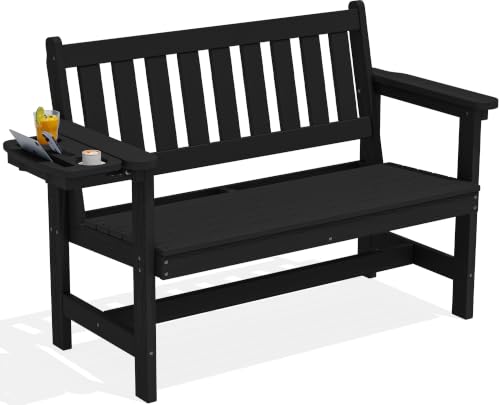
High-density polyethylene (HDPE) benches are the top-tier choice for anyone who wants zero maintenance. They resist moisture, UV fading, and insects, and they never need sealing or painting. Many models are built to mimic the look of painted wood, so you get the farmhouse aesthetic without the upkeep. For rainy regions, this is the most efficient long-term option.
Wicker and Rattan Benches
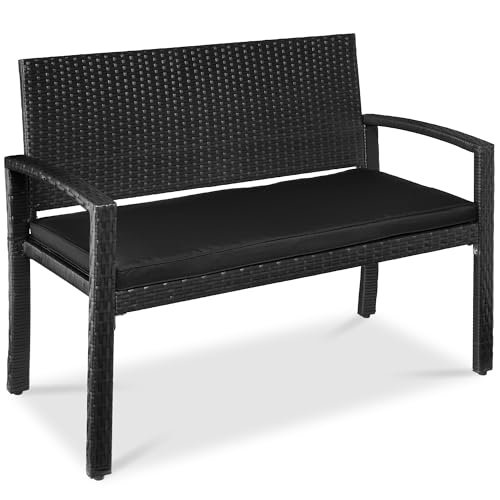
Wicker and rattan bring texture and warmth, especially in coastal and bohemian designs. Natural rattan should only be used on covered porches, while all-weather synthetic wicker can handle occasional moisture. These benches sit in the entry-level to mid-tier range and work best as accent seating rather than primary everyday seating.
Styles That Match Your Home's Architecture
A front porch bench should feel like it belongs to the house, not like it was dropped there. The fastest way to get this right is to match the bench's lines and materials to your home's architecture.
- Farmhouse and cottage homes: Painted wood benches with slatted backs, turned legs, and a distressed finish. A garden bench that converts into a picnic table is a clever dual-purpose pick if you entertain on the porch.
- Craftsman and bungalow homes: Solid wood benches with straight lines and visible joinery. Pair with earth-toned cushions.
- Modern and contemporary homes: Low-profile aluminum or steel benches with clean horizontal slats, often in matte black or charcoal. Minimal ornamentation.
- Coastal homes: Whitewashed wood, synthetic wicker, or HDPE resin benches with light-colored cushions and nautical accents.
- Traditional and colonial homes: Cast-iron or steel benches with decorative scrollwork, often paired with a matching front porch rocking chair set with table for a coordinated seating group.
Color matters too. A bench painted the same color as your front door creates a deliberate visual link. A natural wood or neutral bench lets your door color lead. Whichever route you take, keep the bench's finish consistent with other porch pieces so the space reads as one design rather than a collection of unrelated items.
Cushions, Storage, and Comfort Features
A front porch bench is meant to be sat on, not just admired. Comfort comes down to three elements: seat depth, back support, and cushion quality.
Cushion Fabric and Foam
Choose cushions made with solution-dyed acrylic fabric, which holds color against UV exposure and resists mildew. Quick-dry foam cores let water pass through instead of trapping it, so cushions dry fast after rain. Avoid open-cell foam that stays damp and develops odors. For a bench used daily, a cushion with a slightly firm core and a soft top layer balances support and comfort.
Storage and Hidden Utility
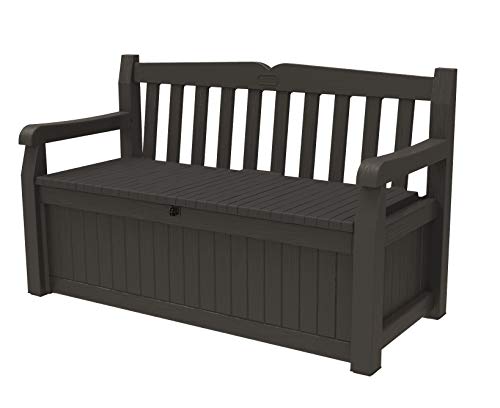
Many porch benches now include storage compartments under the seat — a practical feature for keeping cushions, small tools, or seasonal decor out of the weather. If storage matters to you, confirm the lid has a safe closing mechanism and that the interior is ventilated to prevent trapped moisture.
Armrests and Back Height
Armrests make it easier for older guests to sit down and stand up, and they define personal space when two people share the bench. Back height is a comfort trade-off: higher backs offer more support but can block sightlines from windows. For a porch where you watch the street, a medium back height around 30–34 inches is a good balance.
Comfort tip: If you plan to use the bench for morning coffee or evening reading, add a small side table within arm's reach. Our guide to front porch chairs includes companion seating and table ideas that work alongside a bench.
Placement and Layout Tips
Where you place the bench affects both how it looks and how usable it is. Follow these guidelines to get the layout right the first time:
- Keep the door path clear. Position the bench so the door swings freely and guests can walk straight to the threshold without sidestepping.
- Anchor it to the house wall. Placing the bench against the house wall under an overhang protects it from rain and makes the porch feel deeper.
- Face the view. If your porch looks out on a garden or street, orient the bench to face that view rather than the wall.
- Leave breathing room from railings. A gap of 6–12 inches between the bench and a railing prevents the space from feeling crowded.
- Balance with a second seat. If your porch is wide, pair the bench with a front porch chair on the opposite side to create a symmetrical, welcoming look.
- Use an outdoor rug. A rug under the bench defines the seating zone and keeps the bench feet from scratching the porch floor.
If you want a complete matching seating group, our roundup of front porch rocking chairs shows how benches and rockers can share a porch without competing.
Care and Maintenance by Material
Every material needs some attention, but the level of effort varies widely. The table below summarizes the routine you should expect for each type.
| Material | Routine Care | Seasonal Care | Lifespan Outlook |
|---|---|---|---|
| Teak | Wipe with mild soap; let patina develop if desired | Apply UV-resistant sealant annually if you want to keep the golden tone | Decades with minimal care |
| Cedar | Brush off debris; clean with mild soap | Re-seal every one to two years | Long-term with regular sealing |
| Powder-Coated Aluminum | Wipe with damp cloth | Touch up any chips to prevent corrosion | Long-lasting in humid climates |
| High-Grade Steel | Wipe down; dry after rain | Inspect welds and finish; apply touch-up paint as needed | Durable with finish maintenance |
| HDPE Resin | Hose down or wipe with soapy water | None required | Very long-lasting, fade-resistant |
| Wicker & Rattan | Dust with a soft brush; vacuum crevices | Move under cover during heavy rain or winter | Moderate; best on covered porches |
For deeper maintenance guidance across all outdoor furniture, including cleaning recipes and protective covers, see our weatherproofing guide.
Frequently Asked Questions
What size front porch bench should I choose?
Measure your porch depth and width first, then leave at least 36 inches of walkway clearance. A 48-inch bench fits most standard porches, while 36-inch benches suit narrow spaces and 60-inch benches work well on wide, deep porches.
Which material is best for a front porch bench?
Teak and cedar offer natural weather resistance for a premium look. Powder-coated aluminum and high-grade steel are durable, low-maintenance options. HDPE resin is a top-tier choice for wet climates, while wicker and rattan suit covered porches.
Do I need a cushion for my front porch bench?
A cushion adds comfort and defines your style, but choose one made with solution-dyed acrylic fabric and quick-dry foam so it resists moisture, fading, and mildew in outdoor conditions.
How do I protect a wooden front porch bench?
Apply a UV-resistant sealant annually, clean with mild soap and water, and bring the bench indoors or cover it during harsh winter months to extend its lifespan.
Can a front porch bench be used indoors?
Yes. Many entryway benches double as mudroom seating. Choose a compact size and a finish that complements your interior, and add a cushion for indoor comfort.
Ready to Choose Your Front Porch Bench?
You now have the sizing, material, and placement knowledge to make a confident choice. Browse curated front porch benches and compare the features that matter most for your home.
EXPLORE BENCH OPTIONS