
Raised Garden Beds: Complete Guide & Buying Tips
Elevate your gardening game with the perfect raised bed. From wood to metal, sizes to soil – everything you need to know before you buy.
Raised garden beds are one of the smartest investments you can make for your garden. They improve drainage, extend the growing season, reduce back strain, and keep pests at bay. Whether you're a seasoned gardener or a first-time planter, choosing the right raised bed can feel overwhelming with so many sizes, materials, and styles available. This guide breaks down everything you need to know to make a confident purchase.
🌱 Why Choose Raised Beds?
- Better soil control – fill with premium soil mix
- Improved drainage – prevents waterlogging
- Warmer soil – extends growing season by weeks
- Less weeding & bending – easier on your back
- Pest protection – barrier against ground pests
- Neat & organized – creates defined garden zones
📏 What Size Do You Need?
- Width: 3–4 ft (easy reach from both sides)
- Length: 4–8 ft (standard or custom)
- Height: 10–12 in (shallow-rooted plants), 18–24 in (deep-rooted), 30–36 in (accessible/standing)
- Depth: At least 12 inches for most vegetables
- Tip: Match size to your small patio or spacious yard
Material Comparison: Which Raised Bed Is Best?
The material you choose affects durability, cost, appearance, and even soil temperature. Here's a quick comparison of the most popular options.
| Material | Durability | Cost (8x4 ft) | Best For | Pros & Cons |
|---|---|---|---|---|
| Cedar / Redwood | 10–15 years | $180–$350 | Natural look, vegetables | ✔ Naturally rot-resistant ✘ Higher cost, heavy |
| Pine (treated) | 5–8 years | $80–$150 | Budget-friendly projects | ✔ Affordable, easy to build ✘ Requires liner, shorter lifespan |
| Galvanized Steel | 20+ years | $200–$400 | Modern design, longevity | ✔ Extremely durable, rust-resistant ✘ Can heat soil in summer, higher cost |
| Plastic / Composite | 10–15 years | $150–$300 | Low maintenance, lightweight | ✔ No rot, easy to move ✘ Can degrade in UV, less eco-friendly |
| Concrete / Stone | 50+ years | $400+ | Permanent installation | ✔ Indestructible, beautiful ✘ Very heavy, expensive, permanent |
Deep Dive: Choosing the Right Material
🪵 Wood Raised Beds
Wood is the classic choice for raised beds. Cedar and redwood are naturally rot-resistant and can last a decade or more. If you're on a budget, treated pine is affordable but may require a liner to prevent chemicals from leaching into soil. Avoid railroad ties or treated lumber with creosote. For a more sustainable option, consider sustainable materials like FSC-certified wood.
🔩 Metal Raised Beds
Galvanized steel has surged in popularity for its sleek modern look and incredible longevity. It won't rot, warp, or crack, and the zinc coating prevents rust for decades. Metal beds warm up faster in spring, which can extend your growing season. They pair beautifully with modern patio designs and contemporary gardens.
Soil, Drainage & Filling Your Raised Bed
💡 The Perfect Fill Mix: A 60/30/10 ratio works wonders – 60% topsoil, 30% compost, and 10% peat moss or coconut coir for moisture retention. Add a layer of cardboard or landscape fabric at the bottom to suppress weeds.
Good drainage is essential for healthy roots. Ensure your raised bed has at least 4–6 inches of space between the bottom and any solid surface. If placing on concrete or paving stones, add a layer of gravel or drainage rock. For gardens with heavy clay soil, elevate the bed higher and mix in coarse sand or perlite. Always check the weatherproofing of your bed material, especially if you live in a region with freeze-thaw cycles.
Where to Place Your Raised Bed
☀️ Sunlight & Microclimate
- Vegetables & herbs: At least 6–8 hours of direct sun
- Shade-loving plants: Morning sun or filtered light
- Wind protection: Place near a fence, wall, or privacy hedges
- Water access: Within reach of a hose or rain barrel
📐 Layout Ideas
- L-shaped: Maximizes corner spaces
- Parallel rows: Classic vegetable garden layout
- Elevated (table-height): Ideal for balcony ideas or accessible gardens
- Keyhole design: Circular with a center access point
Budget & Shopping Guide
Raised bed prices vary widely based on material, size, and whether you buy a kit or build yourself. Here's what you can expect to spend:
- DIY wood (pine): $80–$150 for an 8x4 ft bed (plus soil)
- Cedar kit: $180–$350, pre-cut and ready to assemble
- Galvanized steel kit: $200–$400, often with a modern look
- Composite or plastic: $150–$300, lightweight and weather-resistant
- Custom stone or concrete: $400+ for a permanent installation
Don't forget to budget for soil, compost, and any delivery & assembly fees if you order a heavy kit. Many online retailers offer free shipping on raised bed kits, and local garden centers may have seasonal sales in spring and fall. If you're planning a larger garden layout, consider a outdoor on a budget strategy by starting with one or two beds and expanding over time.
Frequently Asked Questions
❓ How deep should a raised bed be for vegetables?
At least 12 inches for shallow-rooted veggies like lettuce and herbs. For tomatoes, carrots, and peppers, aim for 18–24 inches to allow deep root growth.
❓ Can I put a raised bed on grass?
Yes! Lay down a thick layer of cardboard or several sheets of newspaper to smother the grass, then add your soil. Over time, the grass will break down and enrich the soil beneath.
❓ What's the best wood for raised beds?
Cedar and redwood are top choices for their natural rot resistance. If you're looking for a budget option, untreated pine or fir can last 3–5 years – use a non-toxic sealant to extend its life.
❓ Do I need a bottom in my raised bed?
Not if it sits directly on soil – plant roots can access deeper nutrients. If placed on hard surfaces like concrete, you'll need a solid bottom with drainage holes and a layer of gravel to prevent waterlogging.
❓ How often should I replace soil in a raised bed?
Top up with fresh compost each spring. After 2–3 years, consider replacing about 25% of the soil volume to maintain fertility and structure. Adding compost annually keeps it rich.
⚠️ AFFILIATE DISCLOSURE: This website contains affiliate links. As an Amazon Associate, we earn from qualifying purchases. If you make a purchase through these links, we may receive a small commission at no additional cost to you. Read our full affiliate policy.
Top-Rated Raised Garden Beds & Planters
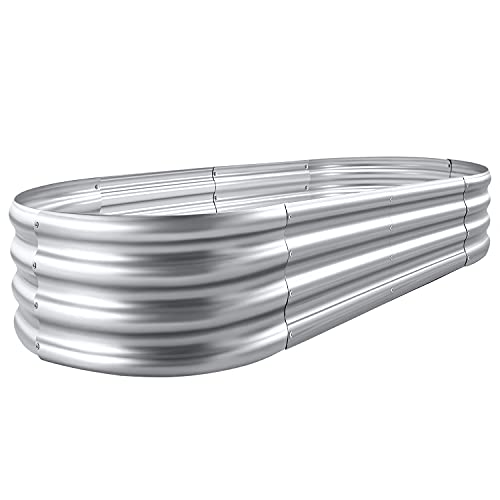
Land Guard Galvanized Raised Garden Bed Kit, Galvanized Planter Garden Boxes Outdoor, Oval Large Metal Raised Garden Beds for Vegetables…………

Land Guard 2 Pack 6×3×2 ft Galvanized Metal Raised Garden Bed, 2FT Deep Root Elevated Planter Box Steel Large Vegetable Flower Bed Kit, Silver
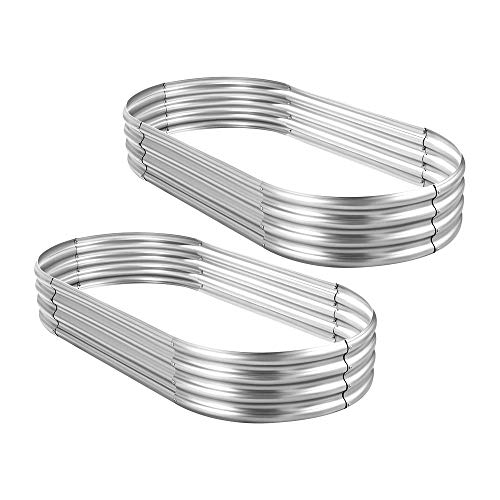
Land Guard 2Pcs Galvanized Raised Garden Bed Kit, Galvanized Planter Oval Large Metal Raised Garden Boxes Outdoor for Vegetables…

SnugNiture 3 Pcs 4x2x1.5ft Raised Garden Bed Outdoor, 17" Tall Galvanized Metal Planter Box, Oval Raised Garden Bed Kit for Planting Vegetables Plants Fruits, Brown
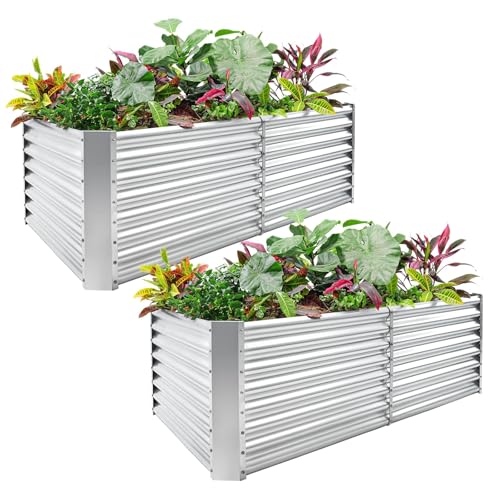
Land Guard 2 Pack 8×4×2ft Galvanized Raised Garden Bed Kit, Galvanized Planter Raised Garden Boxes Outdoor, Large Metal Raised Garden Beds for Vegetables (Silver)
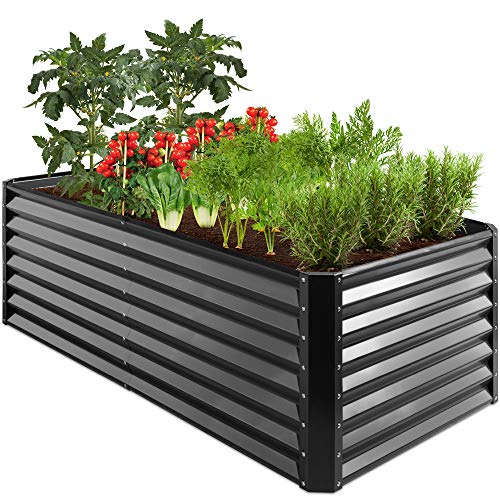
Best Choice Products 6x3x2ft Outdoor Metal Raised Garden Bed, Deep Root Box Planter for Vegetables, Flowers, Herbs, 269 Gallon Capacity, 100% Non Toxic Materials - Gray

Land Guard 8×4×2 ft Galvanized Raised Garden Bed Kit, Galvanized Planter Raised Garden Boxes Outdoor, Large Metal Raised Garden Beds for Vegetables(Grey)…

Best Choice Products 72x24x30in Raised Garden Bed, Elevated Wood Planter Box Stand for Backyard, Patio, Balcony w/Divider Panel, 6 Legs, 300lb Capacity - Natural
Ready to Build Your Garden?
Choose the raised bed that fits your space, budget, and style. Whether you're planting vegetables, flowers, or herbs, the right bed makes all the difference.
Shop Raised Beds →