Composting Guide: Turn Waste into Garden Gold
Reduce your carbon footprint, enrich your soil, and grow healthier plants — all with a simple backyard composting system.
Why compost? Composting is nature's way of recycling organic matter. By turning kitchen scraps and yard waste into nutrient-rich soil, you reduce landfill waste, lower greenhouse gas emissions, and create a powerful, natural fertilizer for your garden. Whether you have a sprawling backyard or a small apartment balcony, there's a composting method that fits your lifestyle.
Key Benefits of Composting
🌱 Healthier Soil
Compost improves soil structure, aeration, and water retention, helping your plants thrive.
♻️ Reduce Waste
Kitchen scraps and yard trimmings make up a large portion of household waste — composting diverts them from landfills.
💧 Save Water
Compost-rich soil holds moisture longer, reducing the need for frequent watering.
🌿 Natural Fertilizer
Say goodbye to chemical fertilizers. Compost provides a balanced mix of essential nutrients for your plants.
Which Composting Method is Right for You?
Backyard Bin Composting
The classic method: layer green (nitrogen-rich) and brown (carbon-rich) materials in a bin or pile. Turn regularly to aerate, and in a few months, you'll have dark, crumbly compost. Ideal for homeowners with outdoor space. For smaller yards, consider a compact compost bin that fits neatly beside your patio.
Worm Composting (Vermicomposting)
Red wiggler worms do the work! This indoor-friendly method uses a bin with bedding and worms to process food scraps quickly. It's perfect for apartment dwellers and produces rich "castings" that are excellent for indoor and outdoor planters.
Tumbler Composting
A sealed, rotating drum makes it easy to turn the pile without a pitchfork. Tumblers speed up the breakdown process and keep pests out. A great choice if you want a tidy, low-effort system. Pair it with a water-saving rain barrel to collect runoff for your compost.
Bokashi Composting
An anaerobic method using beneficial microbes to ferment food scraps (including meat and dairy!). It's compact, fast, and can be done indoors. The fermented pre-compost is then buried in soil to finish breaking down.
What Goes in Your Compost Bin?
Greens (Nitrogen-Rich)
- Fruit and vegetable scraps
- Grass clippings
- Coffee grounds & filters
- Tea bags
- Fresh leaves & plant trimmings
Browns (Carbon-Rich)
- Dry leaves & straw
- Shredded paper & cardboard
- Sawdust (untreated wood)
- Eggshells (crushed)
- Wood chips & bark
⚠️ Avoid: Meat, dairy, oily foods, diseased plants, and pet waste. These can attract pests or introduce pathogens.
Step-by-Step Composting Guide
- Choose your bin: Select a container that suits your space and needs — from open piles to enclosed tumblers. For a ready-to-use option, check out compact compost bins designed for patios.
- Start with a base layer: Add a few inches of browns (like dry leaves or shredded paper) to allow airflow.
- Layer greens and browns: Alternate kitchen scraps and yard waste with carbon-rich materials. Aim for a 2:1 brown-to-green ratio.
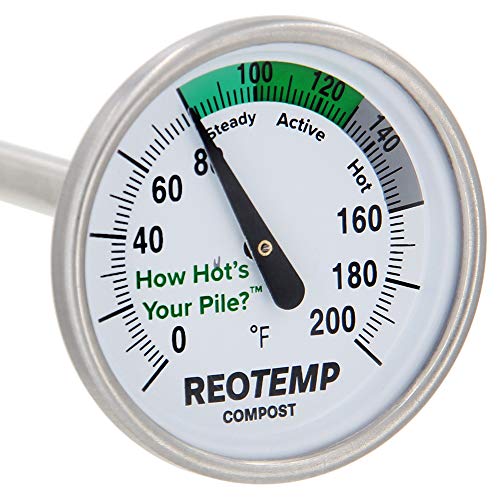
- Keep it moist (not soggy): The pile should feel like a wrung-out sponge. Water occasionally if it gets too dry.
- Turn regularly: Every 1-2 weeks, aerate the pile with a pitchfork or tumbler rotation to introduce oxygen.
- Harvest your compost: In 2–6 months, the bottom layer will turn dark, earthy-smelling, and crumbly — ready to use in your garden!
Ready to start? Composting is one of the most rewarding sustainable practices for any gardener. Whether you're growing vegetables, flowers, or just maintaining a lush lawn, the compost you create will be your garden's best friend. Explore our outdoor living guides for more ideas on eco-friendly gardening, and consider pairing your compost with raised beds or planters for the ultimate growing system.
📌 Remember: Good compost starts with the right balance. Check out our material guide to choose the best bin for your climate and space.