Outdoor Planter Buying Guide
Choose the perfect planter for your patio, garden, or balcony. Learn about materials, sizes, drainage, and design to keep your plants thriving and your space beautiful.
Start ExploringWhy the right planter matters: A well-chosen planter does more than hold soil—it elevates your greenery, defines your outdoor style, and ensures healthy root growth. Whether you're a seasoned gardener or just starting out, this guide covers everything you need to know before you buy.
1. Planter Materials: Pros & Cons
The material of your planter affects weight, durability, insulation, and aesthetics. Here's a breakdown of the most common options.
🌿 Terra Cotta & Clay
Classic, porous, and breathable. Ideal for plants that prefer drier soil. However, they can crack in freezing temperatures and are heavy.
- Best for: Mediterranean herbs, succulents, citrus trees.
- Price range: $30–$150+
- Tip: Soak before planting to reduce moisture wicking.
🪨 Concrete & Stone
Extremely durable and weather-resistant. They provide excellent stability for large plants and trees. Modern and industrial aesthetic.
- Best for: Large shrubs, dwarf trees, statement pieces.
- Price range: $80–$350+
- Tip: Seal to prevent efflorescence (white salt marks).
🧴 Resin & Fiberglass
Lightweight, UV-resistant, and available in many styles that mimic stone or ceramic. Excellent for balconies and decks where weight is a concern.
- Best for: Modern patios, rooftop gardens, colorful accents.
- Price range: $40–$200
- Tip: Look for UV-stabilized resin to prevent fading.
🪵 Wood & Cedar
Natural, warm, and blends beautifully with gardens. Cedar and redwood are naturally rot-resistant. Great for raised beds and rustic settings.
- Best for: Cottage gardens, vegetable beds, farmhouse style.
- Price range: $50–$250
- Tip: Line with plastic to extend life and prevent soil contact.
2. Sizing & Drainage: Get It Right
📏 Choose the Right Size
A general rule: the planter should be at least 2 inches wider than the root ball and 2–4 inches deeper. For tall plants, choose a planter that is at least 1/3 the height of the plant to prevent tipping.
- Small (under 10″): Herbs, succulents, annuals.
- Medium (12″–18″): Ferns, small shrubs, perennials.
- Large (20″+): Trees, large shrubs, privacy screens.
💧 Drainage is Non-Negotiable
Most plants need drainage holes to prevent root rot. If your favorite planter lacks holes, consider a cachepot (using a nursery pot inside) or drill your own (for resin/wood).
- Essential: At least one hole for small planters, more for large ones.
- Bonus: Add a layer of gravel or charcoal at the bottom to improve drainage.
3. Style & Design: Match Your Patio
Your planters should complement your outdoor furniture and overall aesthetic. Consider these popular styles:
🏡 Modern & Minimalist
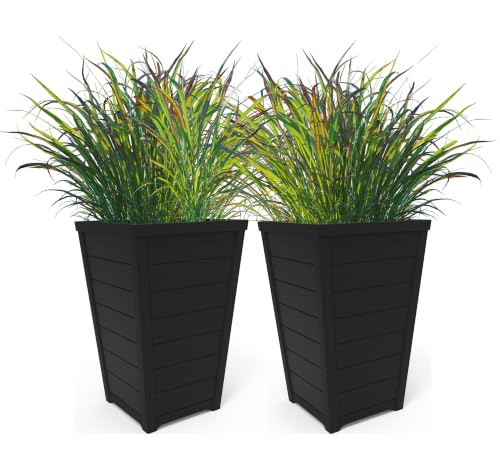
Clean lines, neutral tones (black, white, gray), and geometric shapes. Pair with modern outdoor furniture for a cohesive look.
$60–$300
🌊 Coastal & Nautical
Whitewashed wood, rope details, and blue/green hues. Works beautifully with coastal patio themes.
$40–$180
🌿 Bohemian & Eclectic
Mix of colors, patterns, and textures. Terracotta, woven baskets, and hand-painted ceramics. Perfect for boho patio vibes.
$25–$150
🧱 Rustic & Farmhouse
Galvanized metal, aged wood, and neutral earth tones. Complements rustic farmhouse decor effortlessly.
$35–$200
💡 Design tip: Group planters in odd numbers (3 or 5) with varying heights for a dynamic display. Use a large planter as a focal point and smaller ones around it.
4. Placement Ideas for Every Space
🏠 Patio & Deck
Frame your outdoor dining set with matching planters. Use tall planters for privacy around seating areas.
🌆 Balcony & Small Spaces
Choose lightweight resin or fiberglass planters. Use rail-mounted planters or vertical shelves to save floor space. See our small patio ideas for more.
🚪 Front Porch & Entry
Create a welcoming entrance with a pair of matching planters. Add seasonal flowers for a pop of color. Pair with front porch decor.
🌿 Garden & Yard
Use large concrete or wooden planters as anchors for garden beds. Combine with garden fountains for a tranquil setting.
5. Price Comparison by Material
| Material | Avg. Price (12″–16″) | Durability | Weight | Best Use |
|---|---|---|---|---|
| Terra Cotta | $30–$70 | Medium (fragile) | Heavy | Herbs, succulents |
| Concrete/Stone | $80–$200 | Very high | Very heavy | Large trees, focal points |
| Resin/Fiberglass | $40–$120 | High (UV-resistant) | Light | Balconies, modern decor |
| Wood/Cedar | $50–$150 | Medium (rot-resistant) | Medium | Raised beds, rustic styles |
| Metal (Galvanized) | $35–$100 | High (rust-proof) | Light | Farmhouse, industrial |
6. Maintenance & Care
🧼 Cleaning
Wash with mild soap and water. Avoid harsh chemicals. For terra cotta, scrub with a brush to remove mineral deposits. Resin planters can be hosed down easily.
❄️ Winter Care
In freezing climates, move terra cotta and ceramic planters indoors or cover them. Resin, concrete, and wood are generally frost-resistant. Elevate planters to prevent cracking from moisture.
🌱 Soil Refresh
Replace the top 2 inches of soil annually and add slow-release fertilizer. This keeps your plants healthy and avoids salt buildup.
🛡️ Sealing & Protection
Seal concrete and stone planters to prevent staining. Apply a clear wood sealant to wooden planters to extend their lifespan.
Ready to choose your planter? Whether you're looking for a modern fiberglass piece, a rustic wooden trough, or a classic terra cotta pot, the right planter will transform your outdoor space. Browse our top recommendations below and find the perfect match for your plants and style.