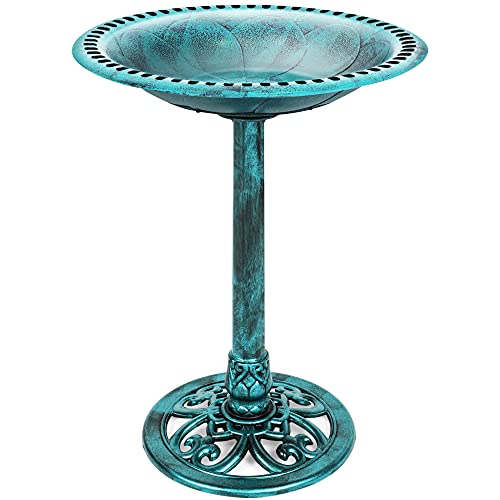
Bird Baths: Complete Buying Guide for Your Garden Oasis
Transform your backyard into a haven for feathered visitors. Learn how to choose the right bird bath, where to place it, and how to maintain it for year-round enjoyment.
START EXPLORINGWhy a Bird Bath Matters: A bird bath does more than decorate your garden. It provides a reliable source of clean water for drinking and bathing, which is essential for bird health, especially during hot summers and freezing winters. The right bird bath attracts a wider variety of species, supports local ecosystems, and gives you a front-row seat to nature's most entertaining shows. This guide covers everything you need to make an informed decision.
Why Every Garden Needs a Bird Bath
Birds need water just as much as they need food. While feeders attract birds for a quick meal, a bird bath creates a daily destination. Birds use baths for drinking, preening, and cooling off, and a well-placed bath can become the busiest spot in your garden. Beyond the ecological benefits, a bird bath adds visual interest and a sense of calm to any outdoor space, whether you have a sprawling lawn or a compact balcony.
Supports Bird Health
Clean water helps birds maintain healthy feathers, regulate body temperature, and digest food properly. During migration, a reliable water source can be a lifeline.
Attracts More Species
Many birds that rarely visit feeders, such as warblers and thrushes, will visit a bird bath. Water often draws a wider variety than seed alone.
Natural Pest Control
Birds eat insects and larvae, helping keep garden pests in check. A bird bath encourages them to spend more time in your yard.
Enhances Garden Design
Bird baths come in styles ranging from rustic stone to sleek modern, acting as a sculptural focal point that ties your outdoor decor together.
Types of Bird Baths and Material Guide
The material you choose affects durability, maintenance, aesthetics, and how well the bath fits your climate. Here is a breakdown of the most common options and what each tier delivers.
Stone and Concrete
Stone and concrete bird baths are the gold standard for permanence. They are heavy, stable, and resistant to tipping in wind or from curious wildlife. Natural stone offers a timeless look that blends into any garden, while cast concrete can be molded into ornate pedestal designs. These models sit in the premium to luxury tier due to their weight and craftsmanship. They require sealing in freezing climates to prevent cracking, but with proper care, a stone bath can last for decades.
Ceramic and Glazed
Ceramic and glazed bird baths bring color and artistry to the garden. They are often handcrafted and available in vibrant glazes that stand out against greenery. These models fall in the mid-range tier and are best suited to sheltered spots where they will not be exposed to harsh freeze-thaw cycles. The smooth surface is easy to clean, but ceramic can chip if knocked over, so place it on stable ground away from heavy foot traffic.
Metal
Metal bird baths, typically made from cast aluminum or steel with a powder-coated finish, are lightweight and easy to reposition. They are a solid choice for entry-level and mid-range tiers. Look for rust-proof finishes and heavy-duty bases, as lightweight models can tip in strong winds. Metal heats up quickly in direct sun, so choose a shaded location or a model with a thick rim to keep water cooler.
Resin and Plastic
Resin and plastic bird baths are the most portable and maintenance-friendly option. Modern resin can mimic stone or ceramic convincingly, and these models sit in the starter tier. They are lightweight, resistant to cracking, and easy to clean. The trade-off is that they may fade or become brittle after years of UV exposure. For renters or anyone who likes to rearrange their garden often, resin is a practical choice.
Hanging and Pedestal Styles
Beyond material, the form factor matters. Pedestal bird baths raise the water off the ground, reducing predation risk and making the bath easier to see from a window. Hanging models, often made of glass or metal, suit small spaces and can be suspended from a shepherd's hook or tree branch. Ground-level baths are the most accessible for larger birds and small mammals, but they require more frequent cleaning. Many gardeners pair a pedestal bath with a ground-level dish for variety. If you are also planning seating nearby to watch the action, consider pairing your bath with a tree bench or a quiet corner featuring a bistro set.
| Tier | Material | Best For | Key Consideration |
|---|---|---|---|
| Starter | Resin / Plastic | Renters, balconies, flexible layouts | Lightweight; anchor against wind |
| Entry-Level | Powder-Coated Metal | Budget-conscious gardeners, easy repositioning | Check for rust-proof finish |
| Mid-Range | Ceramic / Glazed | Sheltered patios, decorative focal points | Protect from freeze-thaw cycles |
| Premium | Cast Concrete | Permanent garden installations | Seal before winter |
| Luxury | Natural Stone | Estate gardens, long-term landscapes | Heavy; requires sturdy placement |
Key Features to Evaluate Before You Buy
Beyond material, several design details determine whether a bird bath is practical and safe for visiting birds. Use this checklist to compare models:
- Depth: The basin should be 1–2 inches deep at the center with gently sloping sides. Deeper basins need gravel or stones to create safe standing zones.
- Surface texture: A slightly rough or textured interior gives birds a secure grip. Glossy surfaces look elegant but can be slippery.
- Stability: A wide, heavy base prevents tipping. This matters most for pedestal models and areas with strong winds.
- Water capacity: Larger basins stay cooler longer and need less frequent refilling, but they are heavier to empty and clean.
- Drainage: Some models include a drain plug for easy emptying and cleaning. This is a convenient feature for weekly maintenance.
- Heating options: In cold climates, a heated bird bath keeps water available through freezing weather. Look for models with a built-in heater or a design that accommodates a submersible heater.
- Mounting: Pedestal, hanging, ground, or deck-mounted—choose a form that fits your space and your viewing angle.
Where to Place Your Bird Bath
Placement can make or break a bird bath. Birds are cautious, and a poorly placed bath will sit unused no matter how attractive it looks. Follow these placement principles:
- Partial shade: Shade slows algae growth and keeps water cooler. A spot that gets morning sun and afternoon shade is ideal.
- Near cover: Place the bath within 10–15 feet of trees or shrubs so birds have a quick escape from predators.
- Visible from indoors: Position the bath where you can enjoy watching it from a window or your patio dining set.
- Away from feeders: Keep a few feet of separation to reduce crowding and territorial conflicts.
- Level ground: A stable, level surface prevents tipping and keeps the water evenly distributed.
- Accessible for cleaning: You will refill and scrub the bath regularly, so choose a spot you can reach easily with a hose or watering can.
Ready to Welcome More Birds?
Explore our curated selection of bird baths and garden essentials to find the perfect fit for your outdoor space.
View RecommendationsBird Bath Maintenance and Seasonal Care
A clean bird bath is a healthy bird bath. Standing water can harbor bacteria, algae, and mosquito larvae, so consistency matters more than effort.
Daily and Weekly Routine
- Refresh water daily: Dump and refill the basin every day, especially in summer. This prevents mosquito breeding and keeps water fresh.
- Scrub every few days: Use a stiff brush to remove algae and debris. Avoid harsh chemicals; a dilute vinegar solution or a dedicated bird bath cleaner is safer for wildlife.
- Deep clean weekly: Empty the bath completely, scrub the basin and rim, and rinse thoroughly before refilling.
- Inspect for damage: Check for cracks, rust, or loose fittings that could injure birds or compromise stability.
Winter Care
Birds still need water in winter, and a heated bird bath can be a lifesaver during freezing spells. If you use a stone or concrete bath, seal it before the first freeze to prevent cracking. In regions with hard freezes, consider a heated model or bring ceramic and resin baths indoors. Keep the water shallow and free of ice, and continue cleaning regularly—birds are more likely to visit a reliable winter water source.
Summer Care
Heat accelerates algae growth and evaporation. Refill more frequently, position the bath in shade, and consider adding a small solar fountain or bubbler to keep water moving. Moving water discourages mosquitoes and attracts birds with the sound of splashing. If you are designing a broader garden retreat, our garden and decor guides cover complementary features like outdoor planters and outdoor lighting that make the space even more inviting.
Safety Considerations for Birds and Your Garden
A bird bath should be a safe refuge, not a hazard. Keep these points in mind:
- Keep cats indoors or away: Place the bath away from low hiding spots where cats can ambush birds.
- Avoid slippery surfaces: Add a few flat stones or a textured ramp to help birds climb out if they fall in.
- Do not use antifreeze: Antifreeze is toxic to birds. Use a heated bath or manually replace frozen water.
- Clean with bird-safe products: Avoid bleach and strong detergents. Vinegar, baking soda, and dedicated bird bath cleaners are safer options.
- Check for sharp edges: Inspect ceramic and metal baths for chips or sharp rims that could injure visiting birds.
Frequently Asked Questions
Final Thoughts
A bird bath is one of the simplest, most rewarding additions to any garden. It supports local wildlife, adds a dynamic element to your outdoor space, and gives you a daily connection to nature. Focus on the right material for your climate, choose a stable and appropriately shallow design, place it thoughtfully, and keep it clean. Whether you are outfitting a sprawling backyard or a compact balcony, there is a bird bath that fits your space and your style.
If you are building out your garden retreat, explore our guides to pergolas, fire pits, and outdoor lighting to create a complete outdoor living experience.