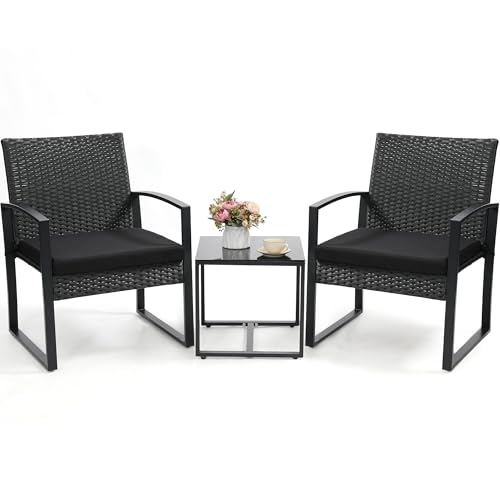
Bistro Set Buying Guide: The Complete Outdoor Bistro Set Handbook
Everything you need to know before choosing a bistro set for your balcony, patio, or breakfast nook — materials, sizing, styles, and practical buying advice.
START READINGWhy a bistro set deserves careful thought: A bistro set is one of the most space-efficient ways to create a functional outdoor dining or coffee spot. Whether you have a compact balcony, a small urban patio, or a quiet corner of a larger deck, the right bistro set transforms unused square footage into a place you actually want to sit. This guide walks you through every decision — from table dimensions and chair ergonomics to material durability and weather resistance — so you can choose a set that fits your space and lasts for seasons to come.
What Is a Bistro Set?
A bistro set is a compact outdoor furniture grouping typically consisting of a small table and two matching chairs. The format originated in European cafe culture, where small round tables and lightweight chairs allowed establishments to seat guests efficiently along sidewalks and courtyards. Today, the same formula works beautifully for residential outdoor spaces where floor area is limited but the desire for a dedicated dining or coffee spot remains strong.
Most bistro sets are designed for two people, making them ideal for couples, solo dwellers, or anyone who wants a quiet spot for morning coffee and evening conversation. The table is usually round or square and measures between 24 and 32 inches across, though rectangular and oval variants exist for slightly longer seating arrangements. Chairs are typically armless or have low-profile arms to tuck neatly under the table when not in use.
What separates a bistro set from a full patio dining set is scale and intent. A patio dining set is built for hosting groups and anchoring a large outdoor room. A bistro set is built for intimacy, flexibility, and efficient use of space. It can be folded, stacked, or moved with relative ease, which makes it a practical choice for renters, apartment dwellers, and homeowners who want a secondary seating zone without committing to a permanent large installation.
If you are exploring related compact options, you may also want to compare a bistro table and chairs configuration or browse bistro patio furniture for broader context on how these sets fit into outdoor living design.
Sizing a Bistro Set for Your Space
The single most common buying mistake is choosing a set that looks right in a showroom but overwhelms a small balcony or feels cramped once chairs are pulled out. Measure your available floor area first, then work backward to a table diameter and chair footprint that leaves comfortable clearance on all sides.
Recommended Clearances
- Table-to-wall clearance: Leave at least 24 inches between the table edge and any wall or railing so chairs can be pulled out and occupied without scraping.
- Chair pull-out zone: Plan for roughly 30 inches of depth behind each chair position so a person can sit down and stand up comfortably.
- Walkway clearance: If the set sits along a main path, keep at least 36 inches of clear walking space beside the table edge.
- Table height: Standard dining-height bistro tables sit around 28 to 30 inches tall. Counter-height and bar-height variants are taller and require matching chair seat heights.
Table Shapes and Their Trade-offs
Round tables are the most space-efficient for two people because there are no corners to navigate around, and the curved edge makes conversation feel natural. A 24- to 28-inch round table is the sweet spot for a two-seat bistro set on a balcony.
Square tables offer slightly more usable surface area for the same footprint and can be pushed flush into a corner when not in use. They work well on rectangular patios where a round table would leave awkward gaps.
Rectangular tables are less common in bistro formats but appear in three- and four-seat configurations. They suit narrow balconies where the table runs parallel to the railing.
Practical tip: Use painter's tape to outline the table and chair footprint on your patio or balcony floor before you commit. It takes five minutes and prevents the most common return scenario — a set that technically fits but leaves no room to move.
For very tight spaces, a bar-height outdoor bistro table and chairs can free up visual floor space because the taller profile draws the eye upward. If your balcony has a railing view, a bar-height set lets you sit at eye level with the scenery rather than looking through the railing bars.
Material Comparison: What Bistro Sets Are Made Of
Material choice determines how long a bistro set lasts, how much maintenance it needs, and how it feels to use. The table below compares the most common bistro set materials across the factors that matter most for outdoor use.
| Material | Durability Tier | Weather Resistance | Maintenance | Best For |
|---|---|---|---|---|
| Powder-Coated Aluminum | Mid-range to premium | Excellent — rust-proof finish | Wipe clean; occasional touch-up | Balconies, coastal areas, year-round exposure |
| Stainless Steel | Premium to commercial-grade | Excellent — corrosion-resistant | Minimal; wipe with damp cloth | High-humidity and coastal climates |
| Cast Aluminum | Premium | Very good — heavy-duty build | Low; periodic cleaning | Windy locations where weight stability matters |
| Teak / Hardwood | Premium to luxury | Good — naturally weather-resistant | Annual oiling optional; ages to silver patina | Traditional and rustic design themes |
| Wicker / Rattan (Natural) | Mid-range | Moderate — needs shelter from rain | Regular sealing; prone to drying | Covered porches and sunrooms |
| PE Wicker / Resin Weave | Entry-level to mid-range | Good — UV-stabilized options available | Wipe clean; no sealing required | Lightweight sets that move frequently |
| Resin / Plastic | Entry-level | Good — color may fade over years | Soap and water | Starter setups and casual use |
Aluminum: The All-Rounder
Powder-coated aluminum is the most common frame material for mid-range and premium bistro sets because it hits a rare balance: it is lightweight enough to move alone, strong enough to hold its shape for years, and resistant to rust when the coating is intact. The powder-coating process bakes a colored finish onto the metal, which resists chipping better than paint. Look for sets that specify a rust-proof finish and UV-resistant coating if the set will sit in direct sun.
Stainless Steel: The Long-Term Investment
Stainless steel frames cost more within their class but deliver exceptional longevity in humid and coastal environments. Marine-grade stainless steel (often labeled 304 or 316) is the top-tier choice for salt-air exposure. The trade-off is weight — stainless steel sets are heavier than aluminum, which is either a drawback (if you move the set often) or an advantage (if wind stability matters).
Wood: Warmth and Patina
Teak and other dense hardwoods bring a warmth that metal cannot match. Teak contains natural oils that repel water and resist rot, and it weathers to a soft silver-gray if left untreated. If you prefer the original honey tone, an annual application of teak oil maintains it. Wooden bistro sets pair naturally with cottage, farmhouse, and traditional design themes, and they feel substantial in a way that lighter materials do not.
Wicker and Resin Weave: Texture and Lightness
PE (polyethylene) wicker has largely replaced natural rattan for outdoor use because it tolerates moisture and UV exposure far better. A PE wicker bistro set over an aluminum frame offers the woven look of traditional rattan without the maintenance headaches. It is a solid choice for covered patios and porches, though prolonged direct sun can cause color fading over several seasons.
Material selection shortcut: If the set stays outside uncovered year-round, prioritize powder-coated aluminum or stainless steel. If it lives on a covered porch, teak or PE wicker are excellent. If it moves indoors and out frequently, lightweight aluminum or resin is the practical pick.
Popular Bistro Set Styles and Design Directions
Bistro sets come in a surprisingly wide range of design languages. The style you choose should harmonize with your home's exterior and the surrounding landscape, but it should also reflect how you want the space to feel.
Classic Cafe Style
Think round pedestal table, slender curved legs, and chairs with woven seats or simple slat backs. This is the Parisian sidewalk look — light, airy, and timeless. Classic cafe sets are usually made from aluminum or steel with a powder-coated finish in black, white, or deep green. They suit both traditional and contemporary homes because the silhouette is neutral.
Modern Minimalist
Clean lines, geometric frames, and a restrained palette define the modern bistro set. Look for square or rectangular tabletops, tubular metal frames, and chairs without decorative flourishes. Materials tend toward matte-finished aluminum or stainless steel, sometimes paired with composite or compact laminate tops. These sets work best against clean architectural backgrounds — stucco walls, glass railings, and concrete patios.
Rustic and Farmhouse
Wood-dominant sets with visible grain, cross-back chairs, and slightly heavier proportions fall into this category. Teak, acacia, and eucalyptus are common frame materials. A rustic bistro set softens hardscaped patios and pairs well with planters, string lights, and natural stone surfaces.
Bohemian and Coastal
Woven textures, bright or pastel finishes, and mix-and-match chair styles characterize bohemian bistro setups. PE wicker sets with colorful cushion accents fit this direction. Coastal versions lean toward white or weathered finishes with slatted or lattice chair backs that evoke beach-house ease.
If your design vision leans toward a specific patio theme, browsing bistro sets across style categories can help you narrow the field before you commit to a material and shape.
Comfort and Ergonomics: What to Check Before You Buy
A bistro set that looks beautiful but feels uncomfortable after fifteen minutes defeats its purpose. Comfort in a compact dining set comes down to a few measurable factors.
Seat Height and Table Height Relationship
The ideal difference between the table surface and the chair seat is roughly 10 to 12 inches for standard dining height. If the gap is too small, your knees press against the table apron. If it is too large, your arms angle awkwardly when eating. Standard bistro tables sit at 28 to 30 inches, with chair seats around 17 to 18 inches. Bar-height sets use a taller ratio — typically a 40- to 42-inch table with 28- to 30-inch seat height.
Seat Depth and Back Support
Look for a seat depth of at least 16 inches and a backrest that supports the lower back rather than just the shoulder blades. Many metal bistro chairs have curved or contoured backs that provide surprising support without cushions. If the chair back is very upright and flat, plan to add a thin outdoor cushion.
Armrests vs. Armless
Armless chairs tuck fully under the table and save space, which matters on small balconies. Chairs with arms are more comfortable for lingering over coffee but require more clearance and may not push in completely. For a two-person set on a tight footprint, armless or low-arm designs are usually the smarter choice.
Cushions and Padding
Cushions are optional on most bistro sets, but they make a meaningful difference for longer sitting sessions. Choose quick-dry foam wrapped in solution-dyed acrylic or polyester covers if the set will be exposed to rain. Avoid thick, slow-drying foam that holds water and mildews. If the set lives under cover, almost any outdoor-rated cushion will work.
Ergonomic test: Sit at the set for at least ten minutes before buying if you can. If shopping online, check the stated seat height, table height, and seat depth against the ratios above, and read reviews that mention comfort specifically.
Weather Resistance, Care, and Storage
How well a bistro set survives the elements depends on three things: the material, the finish quality, and how you care for it between seasons.
Routine Care by Material
- Powder-coated aluminum: Wipe with a damp cloth and mild soap monthly. Inspect for chips in the coating and touch up with matching touch-up paint to prevent corrosion at the exposed spot.
- Stainless steel: Wipe with a damp cloth; use a stainless-steel cleaner periodically to remove water spots and fingerprints. Avoid abrasive pads that can scratch the finish.
- Teak and hardwood: Brush off debris and rinse with water a few times per season. Apply teak oil annually if you want to preserve the original color; skip it if you prefer the weathered silver look.
- PE wicker: Rinse with a hose and wipe with mild soapy water. Check the frame underneath annually for any loosening of the weave.
- Resin and plastic: Soap, water, and a soft brush handle most cleaning. Avoid harsh solvents that can dull the surface.
Seasonal Protection
In climates with freezing winters or heavy snow, the safest approach is to store or cover the bistro set during the off-season. Even weather-resistant materials can suffer from freeze-thaw cycles that trap moisture in joints and seams. A fitted furniture cover that breathes — rather than a fully waterproof tarp — prevents condensation buildup while keeping rain and snow off the surface. If the set folds, storing it in a shed or garage is even better.
In mild climates, a bistro set can generally stay outside year-round with routine cleaning. Coastal areas require extra attention because salt air accelerates corrosion on all metals, even stainless steel. Rinsing the set with fresh water monthly helps remove salt deposits. For more on choosing furniture that handles heat and humidity, see the guide to outdoor furniture for hot climates.
Wind Stability
Lightweight bistro sets can tip in strong gusts, especially on upper-floor balconies. Look for chairs with wider feet or rubberized glides that grip the surface. Some tables include a weighted base or a hollow pedestal that can be filled with sand for added stability. If your balcony is exposed to prevailing winds, a heavier cast aluminum or stainless steel set is the safer choice over a featherweight resin option.
Bistro Set Buying Checklist
Use this checklist to evaluate any bistro set before you commit. It condenses the key decisions from this guide into a practical pre-purchase review.
- Measure twice: Confirm the table diameter, chair footprint, and required clearances against your actual patio or balcony dimensions.
- Match height to use: Choose standard dining height for meals, counter height for mixed seating and standing, or bar height for views and visual openness.
- Select a material for your climate: Aluminum or stainless steel for exposed and coastal settings; teak or PE wicker for covered spaces; resin for lightweight portability.
- Check the finish: Look for powder-coated or rust-proof finishes, UV-stabilized weaves, and sealed or naturally oily hardwoods.
- Evaluate comfort specs: Confirm seat height, seat depth, back support, and whether cushions are included or available in the correct size.
- Plan for storage: Decide whether the set needs to fold, stack, or fit under a cover during the off-season.
- Review the frame construction: Welded joints generally outlast bolted connections; check for reinforced stress points at chair legs and table pedestals.
- Confirm what is included: Some sets ship with cushions, a parasol, or a base; others are frame-and-table only. Verify before comparing options.
Tier guidance: Entry-level bistro sets typically use lighter frames and simpler joinery. Mid-range sets add powder-coated aluminum or PE wicker over sturdy frames, plus better hardware. Premium and luxury tiers bring stainless steel or solid hardwood construction, refined finishes, and more consistent quality control. Choose the tier that matches how often the set will be used and how exposed it will be to the elements.
For alternate configurations beyond the classic two-seat set, explore bistro chairs as a standalone upgrade, or compare a bar-height outdoor table and chairs arrangement if you want a taller profile. Smaller spaces may also benefit from a bistro table paired with folding chairs for maximum flexibility.
Ready to Find Your Bistro Set?
Browse curated bistro set options selected for durability, comfort, and design — then compare features side by side before you decide.
View Recommended Bistro SetsFrequently Asked Questions About Bistro Sets
What size bistro set is best for a small balcony?
A two-person bistro set with a table measuring roughly 24 to 30 inches across is usually the best fit for a small balcony. Look for folding or stackable chairs so you can reclaim floor space when the set is not in use.
Which material is most durable for an outdoor bistro set?
Powder-coated aluminum and high-grade stainless steel are the most durable options for outdoor use because they resist rust and require minimal upkeep. Teak and other dense hardwoods are also long-lasting when treated properly, while resin and wicker offer lighter weight at the trade-off of less structural rigidity.
Can a bistro set stay outside all year round?
It depends on the material and climate. Aluminum, stainless steel, and treated teak can generally stay outdoors year-round in mild climates. In regions with heavy snow or extreme temperature swings, it is safer to store or cover the set during the off-season to protect finishes and extend its lifespan.
How many people does a standard bistro set seat?
Most bistro sets are designed for two people, which is why they are sometimes called cafe sets. Larger three- and four-piece configurations exist, but the classic two-seat layout remains the most popular for balconies, small patios, and breakfast nooks.
Do bistro sets need cushions?
Cushions are optional but can improve comfort during longer sitting sessions. Choose quick-dry, weather-resistant cushion covers if the set will be exposed to rain or humidity. Many metal and wicker bistro chairs are comfortable enough without cushions for short meals and coffee breaks.