Bar Height Outdoor Bistro Table and Chairs: The Complete Buying Guide
A bar height outdoor bistro table and chairs set gives your patio a cafe-style focal point while freeing up visual space. This guide walks you through sizing, materials, chair comfort, and layout so you can choose an elevated bistro set that fits your space and how you actually entertain.
Bar height bistro sets sit higher than standard dining tables, which changes how the eye reads a patio. On a compact balcony, the extra verticality adds interest without crowding the floor. On a larger deck, a high-top bistro set works as a secondary zone alongside loungers or a full dining arrangement. The challenge is that the category is not standardized: seat heights, table diameters, and chair footprints vary enough that mixing pieces from different sets often produces an uncomfortable result.
This page is written for homeowners who already know they want an elevated outdoor dining option and now need to make a confident, well-informed selection. You will find the practical numbers that matter, the material trade-offs that affect longevity, and the layout rules that keep a high-top set from feeling cramped. Where a related patio setup might serve you better, we point to alternative formats so you can compare honestly before committing.
What Defines a Bar Height Bistro Set?
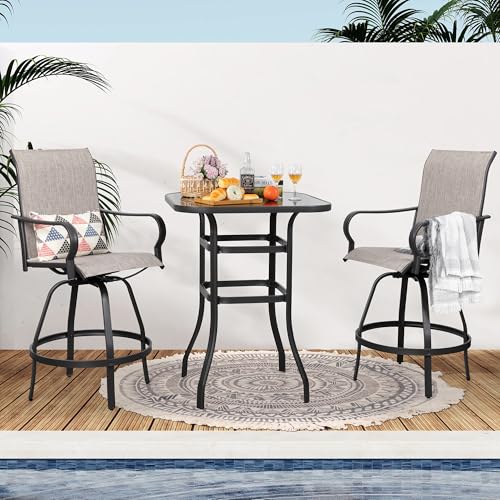
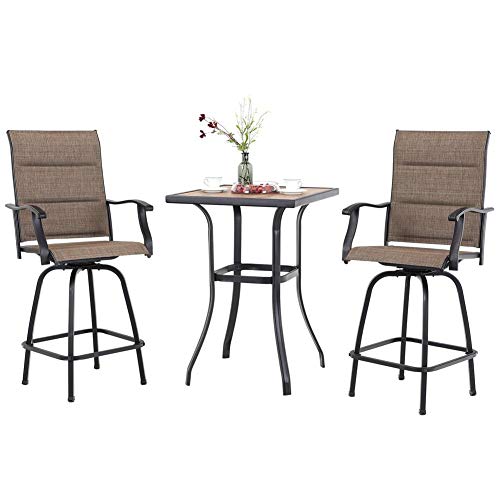
The defining feature is the pairing of a tall, small-footprint table with matching tall chairs. A classic bistro set is built for two, but bar height versions often extend to two, three, or four seats depending on the table shape. The elevated format is what separates it from a standard cafe table: the table surface typically sits around 40 to 42 inches from the ground, with chair seats in the 28 to 30 inch range.
That height difference is not cosmetic. Sitting higher changes your line of sight, which makes a small patio feel more open and creates a natural gathering point. It also introduces stricter geometry requirements, because the gap between the seat and the tabletop has to be comfortable for eating and drinking, not just for perching. If the seat is too low relative to the table, your knees and forearms will notice immediately.
Buyers often arrive at this category after browsing broader collections of outdoor furniture and realizing a standard dining set is too low or too large for their footprint. A bar height bistro set occupies a middle position between a compact bistro table and chairs arrangement and a full outdoor high top table and chairs set. Understanding where you sit on that spectrum is the first decision.
Bar Height vs. Counter Height vs. Standard Height
Three height families dominate the market, and they are not interchangeable. Standard dining tables sit roughly 28 to 30 inches high with seats around 17 to 19 inches. Counter height tables sit around 35 to 36 inches with seats near 24 to 26 inches. Bar height tables sit around 40 to 42 inches with seats near 28 to 30 inches. The step between each family is significant enough that chairs from one will not work with a table from another.
For outdoor use, bar height is the most dramatic option and the most space-efficient per seat. Counter height is often the more forgiving middle ground for older guests or anyone who prefers an easier step up. If you are still weighing these formats, it helps to compare a high top dining table and chairs setup against a true bar height configuration before you narrow down materials and finishes.
| Format | Typical Table Height | Typical Seat Height | Best For |
|---|---|---|---|
| Standard dining | 28–30 in | 17–19 in | Families with young children; long meals |
| Counter height | 35–36 in | 24–26 in | Mixed-age households; easier access |
| Bar height | 40–42 in | 28–30 in | Compact patios; cocktail-style entertaining |
Why Choose a Bar Height Bistro Set for Your Patio?
The case for going tall is strongest when floor space is limited but vertical space is not. A bar height bistro set reads as furniture without dominating the ground plane, which is why it works so well on balconies, narrow side yards, and patios that double as a walkway. The visual lift also helps when your patio surface is a strong material like stained concrete patio, because the open frame under the table lets the finish show through.
There is a social dimension too. High-top seating is naturally informal: people lean, perch, and rotate in and out of conversation more easily than they do at a low dining table. For drinks, small plates, and long evenings, that dynamic is often exactly what homeowners want. It also pairs well with a dedicated bar zone, so if you are planning a larger entertainment area you may want to cross-reference our guide to an outdoor patio bar to keep the heights and finishes coherent.
When Bar Height Is the Wrong Choice
Honesty matters here. Bar height is a poor fit if your household includes toddlers, guests with limited mobility, or anyone who struggles with a high step. It is also less practical for full meals served on plates with cutlery, because the ergonomics favor grazing over dining. If your primary goal is family dinners, a high top table and 4 chairs in counter height or a conventional dining set will usually serve you better. Bar height shines as a secondary or social zone, not as the only table on the patio.
Sizing and Space Planning for High-Top Bistro Sets
Measure before you fall in love with a set. The two numbers that decide whether a bar height bistro arrangement works are the table diameter and the clearance needed to pull chairs out and sit down. A two-seat round high-top typically needs a tabletop between 24 and 32 inches across, with roughly 24 inches of clearance on each seating side. Square and rectangular tops use space differently and can tuck into corners more efficiently.
Table Shape and Footprint
Round tops are the friendliest for two to three people because there is no awkward corner seat. Square tops maximize surface area in a compact footprint and suit tight corners. Rectangular high-tops can seat four but demand more length, so they are better suited to narrow but long patios. If your layout is genuinely tight, our guide to outdoor lounge furniture for small spaces covers complementary pieces that keep a compact patio from feeling overfilled.
Chair Clearance and Walkways
Leave at least 30 inches between the edge of the table and any wall, railing, or planter so a chair can slide out and a person can step in. Behind a pulled-out chair, allow another 12 to 18 inches for standing and passing. On a balcony, check that the chair backs do not exceed the railing height in a way that blocks sightlines or violates building rules. These clearances are more generous than many buyers expect, and they are the most common reason a set that looked right online feels cramped in place.
Quick Layout Checklist
- Measure the patio footprint and subtract 30 inches on every side that faces a wall or railing.
- Confirm the tabletop diameter fits the remaining space with room for chairs to pull out.
- Check that chair backs do not obstruct walkways or views.
- Verify the chair seat height matches the table height family — bar with bar, counter with counter.
- Leave a stable, level base area; high-top sets amplify wobble on uneven surfaces.
Materials: What Holds Up Outdoors at Bar Height
Height changes the physics of an outdoor set. A taller table catches more wind and has a higher center of gravity, so frame weight and base design matter more than they do on a low table. The material you choose should balance weather resistance, stability, and the look you want. The four families below cover the vast majority of bar height bistro sets on the market.
Powder-Coated Aluminum and Steel
Metal frames are the most common choice for high-top bistro sets because they deliver stiffness without bulk. Powder-coated aluminum resists rust and stays relatively light, which makes it easy to reposition. Steel is heavier and more stable in wind but requires a intact coating to avoid corrosion at joints and welds. Look for sealed welds, drainage holes in the tabletop, and a rust-proof finish on hardware. Metal pairs naturally with slatted tops that shed rain and dry quickly.
All-Weather Wicker and Resin
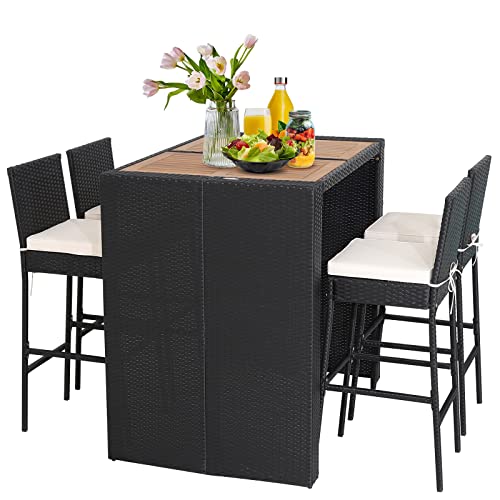
Wicker-wrapped frames soften the look of a tall set and hide minor scuffs well. Quality all-weather wicker is woven over an aluminum frame, so the structural job is still done by metal. Resin and plastic versions are the lightest and most weather-tolerant but can feel less rigid at bar height, especially on larger tabletops. If you like the woven aesthetic, compare construction details across all-weather wicker patio furniture before deciding, since weave density and frame thickness vary widely within the category.
Teak and Hardwood
Wood brings warmth that metal and resin cannot match, and dense hardwoods age gracefully outdoors. Teak in particular develops a silver patina and resists moisture well. The trade-off is maintenance and weight: a hardwood bar height set is heavy, which is good for stability but makes seasonal repositioning a two-person job. Wood also needs periodic cleaning and, depending on your climate, occasional sealing. If wood is your direction, our notes on teak garden chairs explain what to check in the joinery.
| Material | Weather Resistance | Stability at Bar Height | Maintenance Level |
|---|---|---|---|
| Powder-coated aluminum | High | Good with wide base | Low |
| Powder-coated steel | Moderate to high | Excellent | Low to moderate |
| All-weather wicker over aluminum | High | Good | Low |
| Teak / hardwood | High with care | Excellent | Moderate |
Chair Comfort and Ergonomics at Bar Height
The chairs make or break a bar height bistro set. At this height, a small mismatch between seat and table becomes obvious within minutes. The seat-to-tabletop gap should leave roughly 10 to 12 inches of clearance so your thighs fit under the table and your forearms rest comfortably. Footrests are not optional at bar height: without them, your legs dangle and pressure builds behind the knees.
Backrests, Armrests, and Footrests
Backless stools save space and tuck fully under the table, which is ideal for balconies where every inch counts. Chairs with backrests are more comfortable for lingering and are the better choice if the set will be used for meals or long conversations. Armrests add comfort but increase the chair footprint, so measure carefully. A built-in footrest ring or bar is the single most important ergonomic feature; prioritize it over cosmetic details.
Cushions and Breathability
Cushions soften metal and wicker seats, but outdoors they trap moisture and need to be brought in or stored. Quick-dry foam and mesh-backed covers perform best. If you would rather avoid cushion management entirely, look at sets designed for that preference — our guide to outdoor furniture that doesn't need cushions covers sling, slatted, and woven seats that stay comfortable without extra padding. Whichever route you take, confirm the cushion or seat depth works with the chair's back angle rather than fighting it.
Ergonomic Benchmarks to Check
- Seat height: 28–30 inches for bar height tables.
- Seat-to-tabletop clearance: roughly 10–12 inches.
- Footrest: present and positioned so feet rest flat, not pointed.
- Seat depth: deep enough to support the thighs without pressing behind the knees.
- Backrest angle: slight recline for lingering, upright for quick perching.
Stability, Wind, and Safety Considerations
A tall, light table is more vulnerable to wind than a low one, and a tipped bar height set is both a damage risk and a safety hazard. Favor designs with wide, splayed bases or weighted feet, and avoid hollow pedestals that feel light when empty. On exposed decks and rooftops, consider whether the set can be anchored or weighted, and check local rules before modifying anything structural. If anchoring is a priority, our overview of outdoor furniture that can be bolted down explains the options.
Glass tops deserve a specific mention. Tempered glass is the standard for outdoor use, but at bar height a glass top is more exposed to wind-borne debris and accidental impacts. Many buyers prefer slatted metal, compact laminate, or composite tops for high-top sets precisely because they are more forgiving and easier to clean. Whichever surface you choose, confirm it has drainage so water does not pool around the frame.
Comparing Bar Height Bistro Sets by Tier
Rather than anchor recommendations to transient figures, it is more useful to compare sets by where they sit in the market. The tier descriptors below are relative, not absolute: they describe construction ambition and finish quality within the category. Use them to set expectations about frame rigidity, weave density, and hardware quality.
| Tier | Typical Construction | Best For | Watch For |
|---|---|---|---|
| Entry-level | Lightweight aluminum or resin frames; simpler welds | Seasonal use on covered balconies | Frame flex at bar height; thin tabletop |
| Mid-range | Powder-coated aluminum or steel; denser wicker weave | Year-round covered patios; everyday use | Hardware finish; check footrest attachment |
| Premium | Heavy-gauge frames; sealed welds; quality sling or woven seats | Exposed decks; frequent entertaining | Confirm drainage and touch-up coating availability |
| Luxury | Solid hardwood or commercial-grade frames; refined joinery | Design-led patios; long-term investment | Weight and maintenance requirements |
A mid-range set is usually the sweet spot for bar height bistro use: it offers enough frame rigidity to feel safe when someone leans on the table, without the weight and upkeep of top-tier hardwood. Entry-level sets can work well on sheltered balconies where wind exposure is low and the set is stored seasonally. Premium and luxury tiers justify themselves when the set will stay outdoors year-round and be used often.
How Bar Height Bistro Sets Compare to Related Formats
A bar height bistro set is one point on a spectrum of elevated outdoor dining options. If you need more seats than a bistro arrangement provides, a bar height outdoor dining set for 6 keeps the same elevated feel with a larger footprint. If you are planning a fire feature nearby, a bar height fire pit table and chairs combines warmth with the high-top format in a single piece.
Round high-tops are a popular variant because they soften corners and suit conversation. Our guide to an outdoor high top round table and chairs set covers the specific clearance math for circular tops, which differs from square and rectangular layouts. And if the set will serve double duty for meals and lounging, it is worth comparing against a 5 piece counter height outdoor dining set, which trades some vertical drama for easier access.
For patios that already have a main dining zone, the bistro set works best as a secondary perch. Pair it with a 3 piece wicker patio set for a softer lounge corner, or with 30 inch outdoor bar stools set of 4 if you plan to run a bar counter along one edge. The goal is a coherent height and material story across the patio rather than a collection of unrelated pieces.
Your Final Buying Checklist
Before you commit to a bar height outdoor bistro table and chairs set, confirm four things: the table height and chair seat height belong to the same family, the footprint fits your patio with 30 inches of pull-out clearance, the chairs have a footrest and a comfortable seat-to-table gap, and the frame material suits your wind and weather exposure. Sets that pass these four checks are far more likely to be used and enjoyed than sets chosen on looks alone.
Once those fundamentals are settled, the remaining decisions are aesthetic: round versus square, metal versus woven, backless versus backed chairs. Browse the recommended options below to see how these features line up in practice, and use the tier framework above to interpret what each set is built to do.
Frequently Asked Questions
What height should a bar height bistro table be?
Bar height bistro tables typically sit around 40 to 42 inches from the ground, paired with chairs whose seats are about 28 to 30 inches high. Always match the table and chairs from the same height family; counter height pieces (35–36 inch tables) are a separate system and will not work with bar height chairs.
How much space do I need for a two-seat bar height bistro set?
Plan for the tabletop footprint plus at least 24 inches of clearance on each seating side and roughly 30 inches between the table edge and any wall or railing. A small two-seat set can fit on a compact balcony, but the pull-out clearance is the number most buyers underestimate.
Are bar height bistro sets stable in wind?
Stability depends on base design and frame weight. Look for wide, splayed bases or weighted feet, and prefer heavier frames on exposed decks and rooftops. On very windy sites, consider anchoring the set or choosing a design that can be bolted down. Lightweight pedestal tables are the most vulnerable.
Do I need cushions for bar height bistro chairs?
Not necessarily. Sling, slatted, and tightly woven seats are comfortable without cushions and are easier to maintain outdoors. If you do add cushions, choose quick-dry foam with mesh-backed covers and plan to store them during wet weather.
Is bar height comfortable for eating full meals?
It can be, but the ergonomics favor drinks and small plates over full plated dinners. A footrest and the correct 10–12 inch seat-to-table gap make a large difference. If the set will be your primary dining table, counter height or standard height is usually more comfortable for long meals.
Can I mix a bar height bistro table with chairs from another set?
Only if the seat height matches the table's height family and the chair footprint fits under the table with room to pull out. Mixing bar height and counter height pieces produces an uncomfortable gap, so verify the actual seat and table heights rather than relying on product labels.