What Counts as Cushionless Outdoor Furniture?
Cushionless furniture is built so that the seating or backrest surface itself provides comfort, using contoured shapes, flexible materials, or breathable weaves. Instead of relying on foam-filled pads, these pieces are engineered to be sat on directly. The category spans several familiar styles, from classic sling chairs to solid teak benches and molded resin seats.
These designs are especially appealing for households that use their outdoor space spontaneously. There is no need to unstack pads, dry them after a rainstorm, or haul them indoors before a cold snap. If your priority is a patio that stays guest-ready, cushionless pieces pair naturally with storage-friendly layouts. For broader inspiration, our outdoor furniture hub covers how different furniture families fit together.
The main trade-off is tactile: cushionless seating feels firmer at first contact. However, well-designed pieces use ergonomic curves, suspension, or tensioned fabric to distribute weight evenly, so the experience quickly becomes natural. For many owners, the reduction in upkeep more than offsets the softer feel of a traditional padded set.
Materials That Make Cushions Optional
The material is the single biggest factor in whether a piece works without pads. Some materials are rigid and supportive enough to be comfortable bare, while others flex and conform. Below is a practical breakdown of the most common cushionless material families.
| Material | Tier | Best For | Comfort Profile |
|---|---|---|---|
| Cast aluminum | premium | Dining sets, ornate styles | Firm, supportive, stays cool in shade |
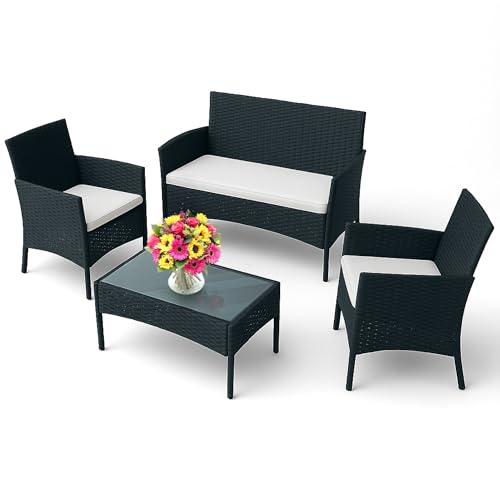
| Resin wicker / all-weather weave | mid-range | Deep seating frames, lounge chairs | Flexible weave with slight give |
| Teak and hardwood | premium | Benches, garden chairs, dining | Solid, contoured with shaped seats |
| Molded resin / polypropylene | entry-level | Adirondack chairs, stackable seating | Contoured shell, light flex |
| Tensioned sling fabric | mid-tier | Lounge chairs, dining chairs | Suspended, breathable, body-hugging |
| Wrought iron / steel | balanced tier | Bistro sets, benches | Rigid, best with shaped seats |
Cast aluminum sits at the premium end of the spectrum because it resists rust, holds intricate shapes, and remains relatively light for its strength. Resin wicker offers a woven texture that flexes slightly under weight, giving it a softer feel than rigid metal. Teak is a long-term investment material; its natural oils make it weather-resistant, and it ages gracefully into a silver-grey tone. Molded resin is the entry-level workhorse of the category, found in stackable chairs and classic Adirondack silhouettes.
Sling fabric deserves separate attention. Tensioned across a frame, it creates a suspended seat that conforms to the body and dries quickly. This construction is common in lounge chairs and sun loungers, and it is a strong choice for poolside areas where water exposure is constant. You can explore dedicated options in our sun lounger guide if that style fits your space.
Popular Styles of Cushion-Free Seating
Material is only half the story; the silhouette determines how a piece feels and how it fits your layout. Here are the most common cushionless styles and where they shine.
Adirondack and Muskoka Chairs
The deep, slanted seat and wide armrests of an Adirondack chair are designed to support the body without padding. The fan-shaped backrest cradles the spine, and the low seat angle encourages lounging. Modern versions in weather-resistant resin keep the classic profile while adding stackability. Our cedar Adirondack chairs guide explains how wood versions compare in feel and upkeep.
Sling and Suspension Chairs
Sling chairs replace foam with a taut sheet of fabric or mesh. The result is a breathable, quick-drying seat that feels supportive rather than hard. These are common in dining sets and poolside loungers, and they handle heat well because air circulates behind the body.
All-Weather Wicker Deep Seating
Wicker frames can be built with a firm, contoured seat base that works without a cushion, though many owners still add a thin pad for extra softness. When choosing this route, check whether the seat platform is designed for direct sitting. Our all-weather resin wicker guide explains how weave density and frame construction affect comfort.
Wooden Benches and Garden Chairs
Teak and other hardwoods can be shaped with scooped seats and curved backrests that feel comfortable bare. A garden bench with a shaped seat is one of the simplest cushionless solutions for a patio edge or entryway. If you want a bench that stays outside year-round, look for tight grain and weather-resistant joinery.
Molded Resin and Stacking Chairs
One-piece molded seats are the most maintenance-free option available. They wipe clean, stack for storage, and resist moisture completely. The trade-off is a firmer feel and a more utilitarian look, though modern designs have become far more refined. Our stackable lawn chairs guide covers how to choose a set that balances comfort and convenience.
The Practical Benefits of Going Cushionless
The appeal of cushionless furniture is rooted in daily practicality. Understanding these benefits helps you decide whether the trade-offs align with how you actually use your outdoor space.
- No storage burden: There are no pads to stack in a shed, garage, or deck box before rain or winter. This frees up space and removes a recurring chore.
- Faster drying: After a shower, sling and mesh seats dry in minutes, so the patio is usable again quickly.
- Lower maintenance: Wiping down a frame is faster than laundering and drying fabric covers.
- Consistent appearance: Without fading or flattening pads, the furniture keeps its intended look for longer.
- Fewer replacement parts: Foam degrades over time; a solid frame and durable weave can last for many seasons.
- Better for humid and hot climates: Breathable materials reduce trapped heat and moisture, which is why these designs are popular in warm regions.
For households in hot, sunny areas, cushionless seating is often the more comfortable long-term choice because it does not trap heat the way dark upholstery can. Our guide to outdoor furniture for hot climates expands on material behavior under intense sun.
Choosing a Tier That Matches Your Priorities
Rather than focusing on numbers, think about where a piece sits in the market and what that position typically delivers. Entry-level cushionless furniture is usually molded resin or basic steel, ideal for occasional use and easy storage. Mid-range pieces introduce better frame construction, tighter weaves, and more ergonomic shaping. Premium and luxury tiers bring cast aluminum, solid teak, and refined joinery that hold up over many seasons.
A useful rule of thumb: the more frequently you use the patio and the more exposed it is to weather, the more the higher tiers justify themselves through longevity and consistent comfort. If the furniture will sit under a covered porch and be used a few times a month, a mid-range set is often a solid choice for the tier. If it will face full sun, salt air, or heavy daily use, premium materials earn their place as a long-term investment.
Mixing tiers is also reasonable. Many owners pair a premium dining table with mid-range chairs, or invest in a high-end lounge frame while choosing entry-level side seating. The goal is to match the tier to the piece's exposure and role in your layout.
Pairing Cushionless Seating With the Rest of Your Patio
Cushionless furniture works best when the surrounding layout supports low-maintenance living. A few practical pairings make the difference between a patio that feels unfinished and one that feels intentional.
Start with a table that matches the seating's material family. A cast aluminum dining set looks cohesive with a matching table, while wooden benches pair naturally with teak or hardwood tables. For shaded dining, an umbrella-ready table keeps the space usable through midday sun; our teak dining table with umbrella hole guide shows how that combination is structured.
Ground the arrangement with a durable outdoor rug, which defines the seating zone and adds warmth underfoot without introducing upholstery. Add shade through a cantilever or market umbrella, and layer lighting for evening use. Because there are no cushions to coordinate, the visual palette stays calm and the space is easier to reconfigure seasonally.
If your patio is compact, cushionless pieces are especially valuable because they remove the need for a storage box. That reclaimed floor space can go toward a small bistro set or a plant display instead. Our lounge furniture for small spaces guide covers layout strategies that keep tight patios functional.
Simple Care Routines for Cushion-Free Furniture
Even low-maintenance furniture benefits from a light routine. A quarterly wipe-down with mild soap and water keeps resin, aluminum, and wicker looking fresh. Teak can be left to weather naturally or treated with a sealant if you prefer to preserve its original tone. Metal frames should be checked for scratches that could invite corrosion, especially in coastal areas.
Sling fabric should be rinsed periodically to prevent pollen and dust from settling into the weave. Avoid abrasive cleaners, which can dull finishes or weaken fabric tension. During extended off-seasons, a breathable cover protects frames from debris without trapping moisture. These small habits extend the life of the furniture and keep it ready for spontaneous use.
Frequently Asked Questions
Is cushionless furniture actually comfortable?
Yes, when the design is ergonomic. Contoured seats, tensioned sling fabric, and flexible weaves distribute weight and support the body. The feel is firmer than foam, but well-made pieces are comfortable for extended sitting, especially in warm weather.
Which material is best for a rainy climate?
Cast aluminum, resin wicker, molded resin, and sling fabric all handle rain well. Solid teak is also highly weather-resistant. The key is drainage and quick-drying construction, so water does not pool on the seat.
Can I add a thin pad later if I want more softness?
Absolutely. Many cushionless frames accept a thin seat pad without compromising the design. This gives you the option to soften the feel seasonally while keeping the storage footprint small.
Do cushionless chairs work for dining sets?
They do. Sling dining chairs and molded resin seats are common in outdoor dining sets. They are easy to wipe clean after meals and dry quickly if left out in the rain, which suits frequent entertaining.
How do I keep cushionless furniture from feeling too firm?
Choose pieces with shaped seats and backrests rather than flat surfaces. Sling and wicker constructions offer more give than rigid metal. Pairing the furniture with an outdoor rug and good shade also improves the overall comfort of the space.
Ready to Build a Lower-Maintenance Patio?
Explore curated cushionless seating and matching tables to find pieces that fit your layout, climate, and daily routine.
Explore Outdoor Furniture