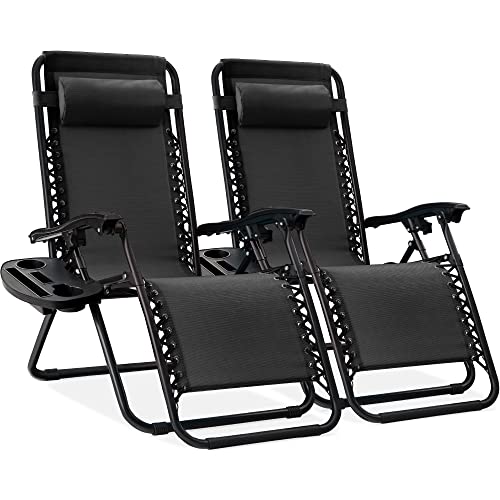
What a Sun Lounger Is and Who It Suits
A sun lounger — also called a chaise lounge or outdoor recliner — is a long, low-profile seat designed for reclining rather than upright sitting. Unlike a standard patio chair, a sun lounger prioritizes full-body support and adjustable back angles, making it ideal for sunbathing, reading, napping, or simply unwinding by a pool or on a deck.
Sun loungers suit a wide range of outdoor spaces. They work well on pool decks, patios, balconies, and lawns, and they pair naturally with other relaxation-focused furniture. If you are building out a dedicated leisure zone, the outdoor lounging guide offers a broader view of how loungers fit into a complete setup. Homeowners with compact areas should also review outdoor lounge furniture for small spaces, since a single well-chosen lounger can define a small relaxation corner without overwhelming it.
Types of Sun Loungers
Sun loungers fall into a few practical categories. Understanding these helps you narrow the field quickly.
Adjustable Backrest Loungers
The most common type, featuring a hinged backrest with two to five recline positions. Mid-range and premium models often use a ratchet or gas-strut mechanism for smoother adjustment. Entry-level models rely on simple notched brackets.
Flat-Lay Loungers
These recline fully flat, which is useful for sunbathing or stretching out. Flat-lay models are common in poolside settings and often pair with a small side table.
Wheeled Loungers
Rear wheels make repositioning easy, especially on large decks or lawns. Look for locking casters on premium models so the lounger stays put once moved.
Stackable Loungers
Designed for storage efficiency, stackable loungers are a strong choice for households that host guests or need to tuck furniture away seasonally. They are frequently chosen for commercial-grade and hospitality use.
Folding Loungers
Lightweight and portable, folding loungers are the easiest to store and move. They are often built with aluminum frames and are well suited to renters, campers, and small balconies.
Frame Materials Compared
Frame material is the single biggest determinant of durability, weight, and maintenance needs. Here is how the main options compare.
| Material | Durability | Weight | Best For | Maintenance |
|---|---|---|---|---|
| Teak | Excellent; naturally weather-resistant | Heavy | Premium patios and long-term investment | Occasional oiling or sealing |
| Aluminum | Very good; rust-proof finish | Light | Balconies, pool decks, frequent repositioning | Minimal; wipe clean |
| Resin Wicker | Good; all-weather weave over metal frame | Moderate | Woven aesthetics with solid performance | Low; rinse and cover |
| High-Grade Plastic | Good; UV-stabilized options last well | Light | Entry-level and casual use | Very low; soap and water |
| Steel | Strong but prone to rust if coating fails | Heavy | Stationary setups with powder-coated finish | Inspect coating regularly |
Teak remains the benchmark for premium outdoor furniture. Its natural oils resist moisture and insects, and it develops a silver-gray patina over time if left untreated. If you are comparing wooden options across your whole patio, the teak garden chairs guide covers wood selection in more depth. Aluminum is the practical choice for anyone who needs to move furniture regularly or lives in a humid climate, since a rust-proof finish eliminates the most common failure point.
Key Buying Factors
Beyond material, several functional details separate a lounger you will love from one you will tolerate.
Recline Mechanism
Check how many positions the backrest offers and how the mechanism feels. Entry-level models use notched brackets that require lifting the backrest to adjust. Mid-range models add ratchet systems, and premium loungers use gas struts or infinite-adjust mechanisms for smooth, one-hand operation.
Weight Capacity and Frame Rigidity
A reinforced frame with cross-bracing will feel stable when you sit down and shift position. Heavy-duty construction matters most for taller users and for loungers placed on uneven surfaces.
Dimensions and Footprint
Measure your space before choosing. A full-size lounger typically needs a length of roughly 75 to 80 inches and a width of 25 to 30 inches, plus clearance for reclining. Compact and folding models reduce the footprint, which matters on balconies.
Mobility Features
Wheels, handles, and lightweight frames all affect how easy the lounger is to reposition. If you plan to follow the sun across a deck, prioritize rear wheels and a lighter frame.
Cushion Compatibility
Some loungers are designed for use with fitted cushions; others are comfortable bare. Confirm whether the model includes cushions and whether replacement cushions are available, since cushion dimensions vary between brands.
Tier Guide: Entry-Level to Luxury
Sun loungers are best compared by market tier rather than by any single specification. The table below maps tiers to typical construction and intended use.
| Tier | Typical Construction | Best For |
|---|---|---|
| Entry-level | UV-stabilized plastic or basic aluminum; two to three recline positions; minimal cushioning | Casual use, renters, seasonal setups |
| Mid-range | Aluminum or resin wicker; multi-position ratchet recline; removable cushions | Everyday patio and poolside use |
| Premium | Teak or high-grade aluminum; smooth recline mechanism; thicker cushions; wheels | Long-term residential use and design-focused patios |
| Luxury | Solid teak or marine-grade materials; infinite recline; precision hardware; tailored cushions | High-end poolsides and permanent installations |
| Commercial-grade | Reinforced frames; stackable design; heavy-duty hardware | Hospitality, rentals, and high-traffic settings |
As a rule, mid-range models offer a noticeably smoother recline mechanism and better cushion support than entry-level options, while premium and luxury tiers focus on materials that age gracefully and hardware that stays precise over many seasons. For readers comparing overall brand reliability, the top outdoor furniture brands overview is a useful companion.
Cushions, Fabric, and Comfort
Comfort on a sun lounger comes from three layers: the frame geometry, the recline angle, and the cushion or sling surface.
- Frame geometry: A gentle contour supports the lower back and knees better than a perfectly flat frame.
- Sling vs. cushion: Sling seats are breathable and quick-drying; cushions add plushness but need storage in wet weather.
- Fabric quality: Look for solution-dyed or acrylic outdoor fabrics with UV resistance. These hold color longer and resist mildew.
- Cushion thickness: Thicker cushions suit lounging for long periods; thinner pads work for sunbathing and are easier to store.
If your relaxation zone also includes upright seating, it helps to understand how loungers sit alongside other pieces. The outdoor living room guide covers how to balance loungers with sofas and occasional chairs for a cohesive layout.
Care and Weatherproofing
Sun loungers live outdoors year-round in many households, so a small amount of routine care pays off.
- Clean regularly: Rinse frames and wipe down cushions monthly during the season to prevent dirt buildup and mildew.
- Protect wood: Apply a sealant or teak oil to wooden loungers before winter and after deep cleaning.
- Store cushions: Bring cushions indoors during rain and off-season storage to extend fabric life.
- Use covers: A breathable fitted cover prevents debris buildup and UV fading without trapping moisture.
- Inspect hardware: Check recline brackets, bolts, and wheels at the start of each season and tighten as needed.
For a broader maintenance routine that covers all your outdoor pieces, see the weatherproofing guide.
Pairing with Other Outdoor Furniture
Sun loungers rarely stand alone. They usually sit within a larger relaxation or dining layout. A few pairing ideas:
- Poolside pairs: Two matching loungers with a small side table create a symmetrical, hotel-like look.
- Lounger plus shade: A cantilever or market umbrella keeps the lounger usable through midday sun. The cantilever umbrella guide explains offset shade options.
- Lounger plus fire feature: For evening use, a fire pit nearby extends the lounger's usable hours into cooler weather.
- Transition to dining: If your space serves both lounging and meals, the patio dining set with swivel chairs guide shows how to zone a multi-purpose patio.
If you are furnishing a deck from scratch, the outdoor furniture hub covers the full range of categories and helps you sequence purchases.