Top Outdoor Furniture Brands: What Actually Matters
Choosing an outdoor furniture brand is about more than a logo on a tag. It is about frame material, fabric technology, hardware grade, warranty depth, and whether replacement parts exist three seasons from now. This guide breaks down the brand landscape by quality tier so you can match a brand to your climate, space, and expectations.
Brand-tier analysis · Material science · Long-term ownershipResearch-stage shortcut: If you already know the style of furniture you want, the brand question usually comes down to one thing — how well the materials survive your local weather. The tiers below are organized around that single variable, because durability is the one brand attribute that compounds over time.
Why Brand Choice Matters More Outdoors Than Indoors
Indoor furniture fails slowly. Outdoor furniture fails in visible, structural ways: welds crack, powder coating chips and exposes steel, resin wicker becomes brittle, and cushions mildew after a single rainy week. A brand's real value is the engineering behind its materials and the supply chain that can replace a single broken arm or a torn cushion cover instead of forcing a full set replacement.
When you compare outdoor furniture across brands, four attributes separate the tiers: frame gauge and alloy grade, coating method, fabric composition, and warranty structure. Brands that publish these specifications openly are generally more accountable than brands that only advertise lifestyle photography. If you are furnishing a full outdoor living room, the brand decision compounds across every piece, so it is worth doing the homework once rather than piecemeal.
The Four Brand Tiers Explained
Entry-Level Brands
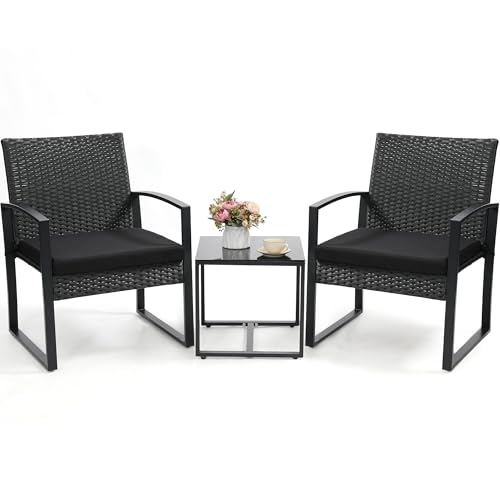
Resin wicker and powder-coated steel. Best for short-season use, rentals, and balcony setups where portability matters more than a decade of service.
Mid-Range Brands
Aluminum frames with improved coatings, olefin or standard polyester cushions. The most common choice for homeowners who want solid build without flagship-tier engineering.
Premium Brands
Thicker aluminum, solution-dyed acrylic fabrics, stainless hardware, and modular designs with replaceable components. Built for full-season exposure.
Luxury & Commercial-Grade
Solid teak, marine-grade stainless, welded frames, and hospitality-grade warranties. Designed for resort use and multi-decade ownership.
Essential Tier: Entry-Level Brands
Entry-level brands compete on design variety and lightweight construction. Their frames are typically powder-coated steel or thin-wall aluminum, and their woven surfaces are often PVC resin over a steel core. These brands are a reasonable fit for covered balconies, seasonal use, and situations where furniture will be stored for half the year. The practical limitation is coating durability: once moisture reaches the steel core, corrosion spreads quickly.
If you are working with a compact footprint, entry-level brands often offer the widest selection of small-format sets, including a 3-piece patio set or a bistro table and chairs combination. Just plan for a shorter service life and inspect welds and coating edges on arrival.
Balanced Tier: Mid-Range Brands
Mid-range brands are where most homeowners land, and for good reason. Aluminum frames eliminate the rust failure mode entirely, and improved powder-coating processes hold up to several seasons of direct sun. Cushion fabrics in this tier are usually olefin or standard polyester, which handle light rain but benefit from being brought inside during heavy storms.
This tier is also where modular systems become widely available, including outdoor furniture sets with swivel chairs and outdoor furniture with storage built into the seating base. That storage feature is more valuable than it sounds — cushion storage is the single biggest factor in how long cushions last. For smaller footprints, mid-range brands offer strong lounge furniture for small spaces options that do not sacrifice frame quality.
A well-chosen mid-range brand is often the best long-term investment for a typical residential patio, because replacement parts and matching add-on pieces remain available for years. If you want to extend a set later, a brand with an open catalog is easier to grow with than a brand that rotates designs every season.
High-End Tier: Premium Brands
Premium brands differentiate on three engineering decisions: thicker aluminum wall thickness, solution-dyed acrylic fabric, and 304 or 316 stainless hardware. Solution-dyed acrylic is the key fabric upgrade — the color is engineered into the fiber rather than dyed onto the surface, so it resists UV fading and mildew far better than standard polyester. If your patio gets eight or more hours of direct sun, this is the single most consequential upgrade you can make.
Premium brands also tend to design for serviceability. Cushion covers zip off for cleaning, sling seats can be re-tensioned, and individual components can be ordered separately. That matters for larger configurations like an L-shaped outdoor couch with dining table or a swivel chair set, where replacing one seat is far more practical than replacing the whole arrangement.
Flagship Tier: Luxury & Commercial-Grade Brands
Flagship brands serve hospitality projects, and their consumer lines inherit that engineering. Expect solid teak or marine-grade aluminum, welded rather than bolted joints, and warranties measured in years rather than months. Teak is the classic flagship material because its natural oils resist moisture and insects; a well-maintained teak set can be refinished indefinitely.
Flagship brands are also the right place to look for fixed installations. If your furniture will be permanently placed on a rooftop or exposed deck, a bolted-down outdoor furniture configuration from a commercial-grade brand is the safest specification. For climates with extreme heat, brands that publish heat-resistance data for their coatings and fabrics are worth prioritizing — see our notes on outdoor furniture for hot climates.
Brand Comparison by Attribute
| Tier | Typical Frame Material | Typical Fabric | Best For | Service Life Expectation |
|---|---|---|---|---|
| Essential | Powder-coated steel, thin-wall aluminum, PVC resin wicker | Standard polyester | Covered balconies, seasonal use, rentals | Short to medium, with careful storage |
| Balanced | Aluminum with improved coating, HDPE wicker | Olefin or polyester blend | Residential patios with mixed sun exposure | Medium, extendable with covers and storage |
| High-End | Thick-wall aluminum, stainless hardware, some teak accents | Solution-dyed acrylic | Full-season exposed patios, modular layouts | Long, with replaceable components |
| Flagship | Solid teak, marine-grade aluminum, welded frames | High-grade acrylic, performance marine fabrics | Rooftops, coastal exposure, hospitality use | Very long, refinishable and serviceable |
How to Evaluate a Brand Before You Commit
Brand reputation is a starting point, not a conclusion. Use these five checks on any specific product page before you decide:
- Frame specification: Look for published aluminum gauge or wall thickness. Brands that state the number are more confident in their build than brands that only say "rust-resistant."
- Coating process: Powder coating is standard; brands that describe a multi-stage pretreatment or an added clear topcoat are usually more durable in coastal air.
- Fabric composition: Solution-dyed acrylic is the benchmark. If the listing only says "polyester," assume mid-tier UV performance.
- Hardware grade: Stainless steel hardware is the difference between a set that lasts and a set with seized bolts after two winters.
- Warranty structure: Distinguish between frame warranty and fabric warranty. Fabric warranties in the premium and flagship tiers are usually measured in multiple years, which tells you the brand expects the fabric to survive.
One more check that saves real effort later: confirm whether the brand sells replacement cushions and covers separately. A brand with a cushion catalog makes cushion-free outdoor furniture less necessary, because you can simply refresh the fabric when it fades. Brands without a cushion catalog effectively shorten the life of an otherwise sound frame.
Matching Brand Tier to Your Climate
Climate should override aesthetics in the brand decision. In coastal or humid regions, aluminum and teak outperform steel decisively, and stainless hardware is non-negotiable. In arid, high-UV regions, fabric quality and coating UV stability matter more than rust resistance. In four-season climates, storage-friendliness becomes a brand feature in its own right — stackable designs and folding frames from stackable lawn chairs lines are easier to winterize than fixed modular sofas.
Matching Brand Tier to Layout
Large layouts benefit most from premium and flagship brands because the replacement cost of a single module is low relative to the full arrangement. Configurations like a 9-piece outdoor dining set with swivel chairs or an 11-piece cast aluminum outdoor dining set are long-term commitments, and buying them from a brand with a stable catalog means you can add a matching chair two years later. Small layouts, by contrast, can justify an essential-tier brand if the furniture is sheltered and seasonal.
For dining-focused patios, brand consistency across the table and chairs matters more than in lounge setups, because table heights, umbrella hole diameters, and chair seat heights are not interchangeable between brands. A 5-piece outdoor dining set with umbrella hole from one brand will accept that brand's umbrella and base; mixing brands often creates fit problems.
Ready to Compare Actual Pieces?
Move from brand theory to specific configurations. Browse curated outdoor furniture options by category and layout.
Explore Outdoor Furniture OptionsCommon Brand-Selection Mistakes
The most frequent mistake is buying an entire set from an entry-level brand based on the first-season appearance. Resin wicker and powder-coated steel look excellent on delivery; the difference shows in year two, when coating edges begin to lift and wicker strands loosen. A second common mistake is buying a premium frame with entry-tier cushions. If the fabric is not solution-dyed acrylic, the cushions will fade long before the frame shows wear, and you will end up replacing the softer component on a hard-wearing frame.
A third mistake is ignoring umbrella and shade compatibility. Outdoor furniture brands design their dining tables around specific umbrella hole diameters and recommended base weights. If shade is central to your plan — for example with a 10 ft outdoor cantilever hanging patio umbrella — confirm the table and base are from the same brand family. Our guide to swivel chair sets also covers how chair rotation radius interacts with table clearance, which is easy to overlook when shopping brand-by-brand.
Finally, do not treat warranty length as marketing noise. A brand offering a multi-year fabric warranty is signaling that its fabric has passed accelerated UV and mildew testing. That signal is more reliable than any lifestyle photograph.