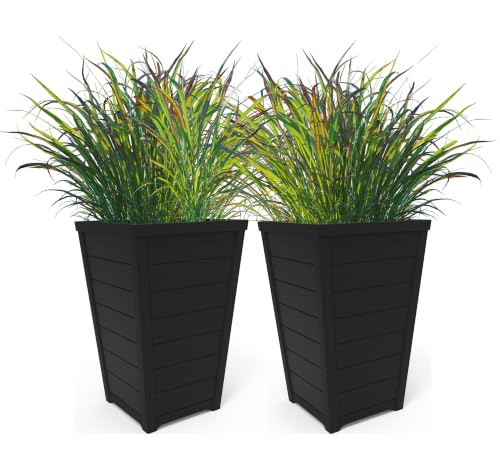
Outdoor Planters Guide
From terracotta to fiberglass – find the perfect planter for your plants, patio, and personal style.
Start Your Planter JourneyWhy outdoor planters matter: The right planter does more than hold soil – it frames your greenery, complements your outdoor decor, and protects your plants. Whether you're growing herbs on a balcony or framing your front door with statement planters, this guide helps you choose wisely.
Planter Materials at a Glance
Each material offers different benefits in terms of durability, weight, insulation, and aesthetics. Below is a quick comparison of the most popular outdoor planter materials.
🌿 Terracotta
Classic, breathable, and warm. Porous clay allows roots to breathe but can crack in freezing temperatures. Best for Mediterranean-style gardens.
🧱 Fiberglass
Lightweight, weather-resistant, and available in nearly any shape or color. UV-stable and won't crack or chip. A top choice for modern and contemporary patios.
🪵 Wood (Cedar & Teak)
Natural, timeless, and ages beautifully. Cedar and teak are naturally rot-resistant. Great for raised beds, window boxes, and rustic settings. Learn about wood care.
⚙️ Metal (Galvanized Steel & Aluminum)
Industrial, durable, and lightweight. Powder-coated aluminum resists rust, while galvanized steel offers an urban-chic look. Ideal for modern patio designs.
🧴 Resin & Plastic
Affordable, lightweight, and low-maintenance. UV-stabilized resin mimics stone or wood without the weight. Great for balconies and rental-friendly spaces. Check resin furniture care.
🪨 Stone & Concrete
Heavy, durable, and permanent. Excellent for large statement planters. Retains moisture well. Best for ground-level placement where weight isn't an issue.
Choosing the Right Size & Drainage
A planter that's too small can stunt root growth, while one that's too large can lead to overwatering. Here's a practical sizing guide based on plant type and location.
| Plant Type | Recommended Planter Depth | Planter Diameter / Width | Drainage Needs |
|---|---|---|---|
| Herbs & Succulents | 6–8 inches | 8–12 inches | Essential – use a drainage layer |
| Perennials & Shrubs | 10–14 inches | 12–18 inches | Several drainage holes required |
| Small Trees & Topiaries | 16–20 inches | 18–24 inches | Must have ample drainage |
| Climbers & Vertical Gardens | 8–10 inches (depth) | Width varies (planter box) | Essential – self-watering options help |
| Statement Planters (Large) | 18–24 inches | 24–36 inches or larger | Multiple drainage holes required |
Planter Styles for Every Patio
Your planters should harmonize with your patio style. Here are popular design directions and the planter types that suit them best.
- Modern & Minimalist: Opt for sleek fiberglass or concrete planters in neutral tones – white, charcoal, or warm beige. Geometric shapes (cylinders, cubes) work beautifully. Pair with modern patio furniture for a cohesive look.
- Rustic & Farmhouse: Wooden crate planters, galvanized steel troughs, and weathered terracotta pots bring charm. Combine with rustic patio elements like wooden benches and wrought-iron accents.
- Coastal & Nautical: White-washed wood, rope-wrapped planters, and blue-glazed ceramics evoke seaside vibes. Great for coastal patios and porches.
- Bohemian Oasis: Colorful glazed ceramic, patterned clay pots, and hand-painted planters. Mix heights and textures for an eclectic, laid-back feel. Perfect for bohemian outdoor spaces.
- Small & Balcony Spaces: Wall-mounted planters, railing planters, and vertical garden systems maximize square footage. Explore balcony decor ideas for space-efficient greenery.
Outdoor Planter Buying Guide
When shopping for outdoor planters, keep these practical factors in mind to ensure your plants thrive and your investment lasts.
- Climate compatibility: If you live in a region with freezing winters, choose frost-resistant materials like fiberglass, resin, or concrete (with proper sealing). Terracotta and ceramic may crack unless specially glazed.
- Weight & portability: Large stone or concrete planters are permanent fixtures. For flexibility, go with fiberglass or resin – they're lightweight yet durable.
- UV resistance: Direct sunlight can fade certain plastics and paints. Look for UV-stabilized materials or powder-coated finishes to prevent fading and degradation.
- Maintenance: Wood needs periodic sealing; metal may require rust-proofing; terracotta can develop mineral deposits. Choose a material that fits your maintenance tolerance.
- Self-watering options: Self-watering planters have built-in reservoirs that reduce watering frequency – ideal for busy gardeners or hot climates.
Caring for Your Outdoor Planters
Proper care extends the life of your planters and keeps them looking fresh season after season.
- Clean regularly: Wash planters with mild soap and water to remove algae, mineral deposits, and dust. Avoid harsh chemicals that can damage finishes.
- Protect from frost: In winter, move delicate planters (terracotta, ceramic) indoors or wrap them in bubble wrap. Use winter storage tips for your outdoor décor.
- Seal porous materials: Apply a stone or concrete sealer to prevent moisture absorption and cracking. For wood, use a weatherproof sealant. See our wood sealant guide.
- Check drainage periodically: Ensure drainage holes remain clear. Blocked holes can cause root rot. Elevate planters on pot feet or bricks to improve water flow.
- Refresh soil annually: Repot plants every 1–2 years with fresh potting mix to replenish nutrients and improve drainage.
Eco-Friendly & Sustainable Planters
If sustainability matters to you, there are excellent planet-friendly planter options available. Explore sustainable materials for outdoor living.
- Recycled plastic & resin: Made from post-consumer waste, these planters are durable, lightweight, and often carbon-neutral.
- FSC-certified wood: Choose FSC-certified cedar or teak to ensure responsible forestry practices. Combine with upcycled outdoor décor for a green patio.
- Biodegradable pots: Coir, bamboo, and rice-husk planters are 100% biodegradable and perfect for nurseries or seasonal planting.
- Reclaimed materials: Upcycle old barrels, crates, or even metal buckets into unique planters with character.
Frequently Asked Questions
Q: Do outdoor planters need drainage holes?
A: Yes – drainage is critical to prevent root rot. If you love a planter without holes, use a nursery pot inside or drill your own holes.
Q: What size planter do I need for a small tree?
A: For a tree up to 6 feet tall, choose a planter at least 18–24 inches deep and 20–24 inches in diameter. Larger trees need bigger containers.
Q: Can I leave planters outside in winter?
A: It depends on the material. Fiberglass, resin, and concrete are generally winter-hardy. Terracotta, ceramic, and unsealed wood can crack. Follow our winter storage guide for protection.
Q: What's the best planter for a balcony?
A: Lightweight resin, fiberglass, or self-watering planters are excellent for balconies. Also consider railing planters and vertical garden systems to save floor space. Discover more balcony ideas.
Planter Ideas for Every Outdoor Space
From front porches to back gardens, here's how to choose planters that elevate your specific outdoor area.
- Front Porch & Entryway: Symmetrical matching planters (e.g., two identical tall fiberglass pots) with evergreen topiaries create a welcoming look. Browse porch décor ideas for more inspiration.
- Patio & Deck: Mix large statement planters with smaller accent pots. Use planters to define seating zones or soften the edges of your patio. Pair with outdoor rugs for a grounded feel.
- Balcony & Small Spaces: Vertical wall planters, railing baskets, and tiered stands maximize greenery without sacrificing floor space. Great for apartment outdoor spaces.
- Garden & Landscape: Raised planters and large concrete bowls work well for shrubs and small trees. Integrate with garden décor for a cohesive landscape design.
Ready to Find Your Perfect Outdoor Planter?
Explore the recommended products below – each selected for quality, durability, and design versatility.
Shop Outdoor Planters