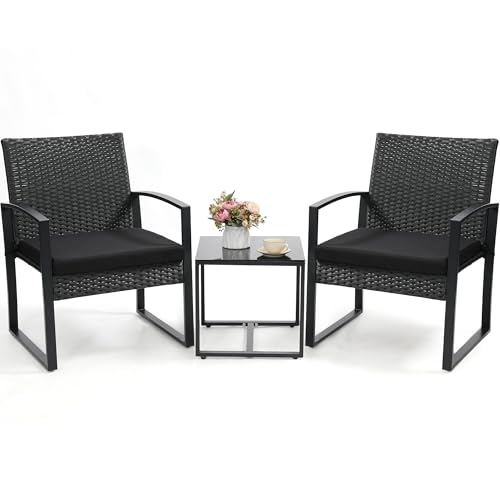
Bistro Sets: The Complete Buying Guide
Everything you need to choose a compact, stylish, and durable bistro set for your patio, balcony, or garden corner — from sizing and materials to seating comfort and long-term care.
Start the GuideWhy bistro sets deserve careful thought: A bistro set is often the most-used piece of outdoor furniture you will own. It works for morning coffee, a quick lunch, an evening glass of wine, or a quiet reading spot. Because it lives in a compact footprint, every choice — table shape, chair type, material, and finish — has an outsized effect on how comfortable and useful it feels day after day. This guide walks you through each decision so you can buy once and enjoy for years.
What Exactly Is a Bistro Set?
A bistro set is a compact outdoor furniture pairing — typically one small table plus two chairs — designed for intimate seating rather than large gatherings. The concept traces back to the café tables of European streets, where a tiny round table and a pair of lightweight chairs created a personal space for conversation. Today the format has evolved into a wide range of designs, but the core idea remains: a small, self-contained dining or lounging setup that fits where a full patio dining set cannot.
Bistro sets are commonly used on balconies, apartment patios, porches, garden nooks, and beside a pool. They are also popular as secondary seating on larger decks — a quiet corner for two away from the main dining table. If you are still mapping out your overall outdoor plan, our broader guide to bistro patio furniture explains how these compact sets fit alongside other seating and dining choices.
Bistro Set vs. Standard Patio Dining Set
The difference is mostly scale and intent. A standard patio dining set seats four or more and is built for entertaining. A bistro set seats two and is built for everyday convenience. That means smaller table diameters, lighter chair frames, and designs that prioritize easy movement and compact storage. If you need to seat a larger group on a small footprint, bar-height options are worth considering — you can browse bar-height outdoor table and chairs for a taller alternative that still keeps the footprint tight.
Bistro Set Strengths
- Fits balconies, small patios, and tight corners
- Encourages everyday use — coffee, meals, reading
- Easy to move and rearrange
- Often lighter and simpler to store in winter
Where a Larger Set Wins
- Hosting four or more guests at one table
- Family meals and shared serving space
- Umbrella coverage over a bigger area
- Dedicated outdoor dining zones
The Bistro Set Buying Framework
Buying a bistro set becomes simple once you break it into five decisions: size and shape, seating style, material, finish and weather resistance, and storage. Work through them in order — each one narrows the field before the next.
1. Measure Your Space First
Start with the actual floor area available, not the space you wish you had. A comfortable two-person bistro setup needs enough room for chairs to pull out and for people to walk past. As a working rule, allow roughly 60 cm (about 24 inches) of clearance behind pulled-out chairs, and check that the table does not block a door swing or a walkway. Round tables are the most forgiving in tight corners because there are no sharp edges to navigate around; square and rectangular tables can work well against a wall.
On a narrow balcony, measure the depth carefully. A small round table with two compact chairs often fits where a rectangular set of the same seating count will not. If your space is truly tiny, consider a bistro table as a standalone piece and pair it with chairs you already own — mixing pieces is often the most space-efficient route.
2. Choose Your Seating Style
Bistro chairs come in several distinct formats, and each changes the feel of the set:
- Standard dining chairs — upright, with or without arms. The most versatile and comfortable for eating.
- Stackable chairs — designed to nest or stack for winter storage. Ideal for balconies and small sheds.
- Folding chairs — the most compact storage option; check hinge quality and frame rigidity.
- Armchairs or lounge-style chairs — more relaxed posture, better for coffee and conversation than full meals.
- Swivel chairs — add easy movement and are especially popular at bar height.
If you like the idea of swivel seating, the same principle applies across heights — see bar-height patio set with swivel chairs for how that configuration works in practice. For a more conventional bistro footprint, bistro chairs covers the main frame and slat styles in detail.
3. Pick the Right Material
Material determines weight, maintenance, lifespan, and how the set feels to sit on. The table below compares the common options on the factors that matter most.
| Material | Best For | Durability Profile | Maintenance |
|---|---|---|---|
| Powder-coated steel | Entry-level and mid-range sets; classic café look | Solid build; coating quality determines rust resistance | Wipe clean; touch up chips promptly |
| Cast aluminum | Mid-range to premium sets; ornate designs | Rust-proof finish; lightweight yet rigid | Low maintenance; rinse seasonally |
| Teak and hardwood | Premium and luxury sets; natural aesthetic | Long-term investment when sealed and cared for | Oil or seal annually; avoid standing water |
| Wicker and rattan (natural or synthetic) | Coastal, bohemian, and transitional styles | Synthetic weaves are weather-resistant; natural needs shelter | Brush clean; keep synthetic weaves dry |
| Resin and plastic | Starter tier sets; rental and seasonal use | Light and UV-sensitive over many seasons | Soap-and-water clean; store out of harsh sun |
For hot climates, material choice matters even more — our guide to outdoor furniture for hot climates explains how heat, UV, and humidity interact with each material type.
4. Check Finish and Weather Resistance
Two sets made from the same material can age very differently depending on finish. Look for a properly cured powder coating on metal frames, stainless or coated hardware, and sealed end-grain on wood. On woven pieces, check that the weave is tight and the frame underneath is rust-treated. Cushions, if included, should use quick-dry foam and solution-dyed fabric — our outdoor cushion guide explains what those labels mean and why they matter.
If your set will sit fully exposed year-round, prioritize weather resistance over decorative detail. If it lives under a covered porch or awning, you have more freedom to choose natural materials and lighter finishes.
5. Plan for Storage and Seasonality
Even weather-resistant furniture lasts longer when stored well. Decide before you buy where the set will go in the off-season: a shed, garage, basement, or simply under a fitted cover on the patio. Stackable and folding chairs dramatically reduce storage footprint. A small round table with a removable top or a folding mechanism is easier to tuck away than a fixed pedestal table.
For a full seasonal routine, see our winter storage guide and patio furniture covers guide. If you are weighing different types of bistro configurations, the roundup of bistro set styles can help you compare formats side by side.
Understanding Bistro Set Tiers
Bistro sets fall into three broad market positions. Rather than fixed figures that change constantly, it helps to think in tiers — each describes what you can reasonably expect from construction, finish, and lifespan.
Starter Tier
Simple frames, basic powder coating, and straightforward table tops. A sensible starting point for renters, seasonal setups, or a first balcony. Expect a lighter build and more frequent touch-ups; with cover and care, many entry-level sets serve well for several seasons.
Balanced Tier
The sweet spot for most households. Cast aluminum or heavier steel frames, better coatings, smoother folding and swivel mechanisms, and more comfortable chairs. Feature-rich for its class, with durability that rewards proper storage.
High-End Tier
Solid hardwood, high-grade aluminum, precision joinery, and premium materials throughout. Built as a long-term investment with refinishing potential. Best suited to sheltered locations where the craftsmanship stays visible and protected.
Tier descriptions are relative, not absolute — a well-cared-for mid-range set will often outlast a neglected high-end one. Choose the tier that matches your exposure, usage frequency, and willingness to maintain.
Table Shape, Size, and Height
Round vs. Square vs. Rectangular
- Round tables — best for tight spaces and conversation. No corners to bump, and chairs can be angled naturally. Popular diameters for two-person sets sit in the compact-to-moderate range.
- Square tables — maximize usable surface against a wall and pair neatly with two chairs on opposite sides. A good choice for balconies with straight edges.
- Rectangular tables — offer more length for shared plates and drinks, but demand more floor depth. Best for narrow but long patios.
Standard vs. Bar Height
Standard-height bistro tables (roughly dining height) are the most comfortable for eating and the easiest to pair with conventional chairs. Bar-height bistro sets raise the table and chairs, creating a more pub-like feel and often better sightlines over railings on balconies. Bar height works well when you want the set to double as a standing conversation spot, but chairs need footrests to stay comfortable for long meals. If you are exploring taller formats, bar-height outdoor bistro table and chairs covers the practical differences, and bar-height patio set gives a broader overview of taller configurations.
Umbrella Holes and Shade
If your bistro set will sit in direct sun, an umbrella hole is worth prioritizing. A small table with a central hole accepts a market umbrella and turns a sunny corner into a usable spot at midday. Our guides to bar-height outdoor table and chairs with umbrella hole and bar-height patio dining set with umbrella hole show how hole placement and base requirements work. On a balcony, choose a smaller canopy and a weighted base rated for wind.
Comfort and Ergonomics: What to Check Before You Commit
A bistro set is small, so comfort details are easy to overlook — and easy to regret. When comparing options, focus on these points:
- Seat height and table clearance. Your knees should clear the table apron with room to spare, and your forearms should rest naturally on the table edge when seated.
- Chair depth and back angle. Upright backs suit meals; slightly reclined backs suit coffee and reading. Match the chair to how you will actually use the set.
- Armrests. Armrests add comfort for longer sitting but limit how close chairs can tuck under the table. On very small balconies, armless chairs save space.
- Footrests on bar-height sets. Essential for bar-height chairs — without one, legs dangle and comfort drops quickly.
- Cushion fit. If cushions are included or sold separately, confirm they are cut to the chair seat rather than generic rectangles. Ill-fitting cushions slide and wear faster.
If you are comparing seating formats beyond the classic bistro pair, bar outdoor seating and bar stools cover additional options that can mix with a compact table.
Placement Ideas That Get the Most From a Bistro Set
Where you place the set often matters as much as which set you choose. A few proven setups:
- Balcony rail view. Place the table close to the railing and angle both chairs outward so the view stays open. A bar-height set works especially well here.
- Garden nook. Tuck a set beside a planter bed or under a small tree for a shaded retreat. Add a bird bath nearby for a calming focal point.
- Porch corner. Use a square table against the wall with one chair facing the street and one facing the door — a natural greeting spot.
- Poolside pairing. Place a set at the end of a lounging area as secondary seating for drinks and snacks. Keep it at least a step back from the water line.
- Two-seat dining zone. On a small patio, treat the bistro set as the primary dining table and add a dining bench nearby for flexible extra seating.
Layering lighting and greenery around the set makes the space feel intentional rather than improvised. A string of lights overhead and a small planter or two is usually enough.
Care and Maintenance by Material
Bistro sets reward a little routine attention. The short version:
- Metal frames: Wipe with mild soap and water, rinse, and dry. Touch up coating chips before rust can start. Use a furniture cover during long wet spells.
- Wood: Clean gently, let dry fully, and re-oil or reseal on the manufacturer's recommended schedule. Avoid leaving standing water on the surface.
- Wicker and rattan: Dust with a soft brush and rinse synthetic weaves occasionally. Natural rattan should stay under cover in wet weather.
- Resin: Soap-and-water cleaning is usually enough. Store out of intense direct sun in the off-season to slow UV fading.
- Hardware: Check bolts and folding mechanisms each season and tighten as needed — a loose hinge is the most common cause of early failure.
For deeper cleaning routines and protective products, our guides to furniture cleaners and weatherproofing walk through the details. If your set includes metal parts, rust removal tips covers early intervention before damage spreads.
Quick Decision Checklist
Before You Buy, Confirm:
- Measured floor space, including chair pull-out and walkway clearance
- Table shape and height match how you will use the set most often
- Seating style fits your comfort needs — armrests, footrests, stacking
- Material suits your climate and exposure level
- Finish and hardware are rated for outdoor use
- Storage plan exists for the off-season
- Umbrella hole and base considered if the spot is sunny
- Cushions, if needed, are sized specifically for the chairs
Frequently Asked Questions
Choose round for tight corners and conversation flow — there are no edges to bump and chairs can be angled naturally. Choose square when the set will sit against a wall or on a narrow balcony with straight edges, because a flat side sits flush and uses the depth more efficiently. If you plan to tuck the set into a corner, square or rectangular typically wins on space; if it will float in the middle of a small patio, round usually feels more open.
Yes, provided the chairs have proper footrests and the seat-to-table ratio is correct. Bar height is slightly less relaxed for long meals than standard height, but it offers better sightlines over balcony railings and works well for drinks and casual dining. Test the seated position if possible: your feet should rest on the footrest and your elbows should bend naturally at the table edge.
Cast aluminum and properly coated steel are the most forgiving in wet conditions, since the frames will not absorb moisture and a quality powder coating resists rust. Synthetic wicker over an aluminum frame is also a strong choice. Solid wood can work well in rainy climates with regular sealing, but it needs more attention. Avoid natural rattan and unsealed wood unless the set sits under a covered porch.
Often yes — many bistro sets are designed to work in both settings, and they are a popular choice for breakfast nooks and small kitchens. The main caveats are floor protection (add felt pads under metal and wood legs) and cushion suitability, since outdoor fabrics can feel firmer indoors. If you are considering an indoor-focused version, the guide to bistro table and chairs indoor covers the differences.
The classic configuration is one table and two chairs. Some sets expand to three or four chairs, but beyond two the set stops being a true bistro footprint and starts becoming a compact dining set. If you occasionally need extra seating, a stacking chair or a small bench nearby is a more flexible solution than a permanently larger set.
Ready to Compare Bistro Set Options?
Use the checklist above to narrow your shortlist, then explore curated bistro sets that match compact patios, balconies, and garden corners.
Explore Bistro Sets