Pergola Kits: The Complete Buying Guide for Outdoor Shade
Transform your patio into a comfortable, stylish retreat with a pre-engineered pergola kit. Learn how to compare materials, sizes, and features so you can choose the right structure for your backyard.
Explore Buying FactorsWhy pergola kits make sense: A pergola kit delivers a pre-cut, pre-drilled structural frame that removes much of the guesswork from building an outdoor shade feature. Instead of sourcing individual lumber, hardware, and plans, you receive a coordinated package designed for straightforward assembly. This guide walks you through every decision point — from material choice and footprint to anchoring and long-term care — so you can move forward with confidence.
What Exactly Is a Pergola Kit?
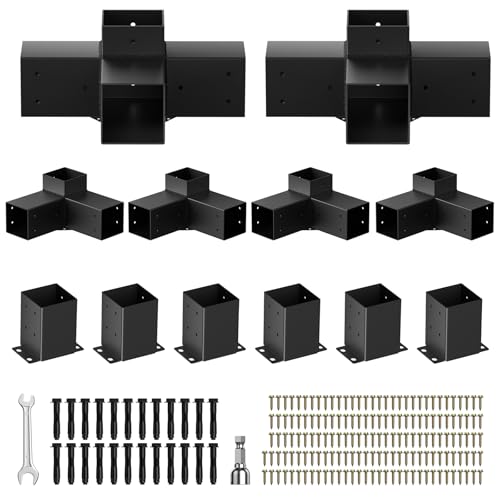
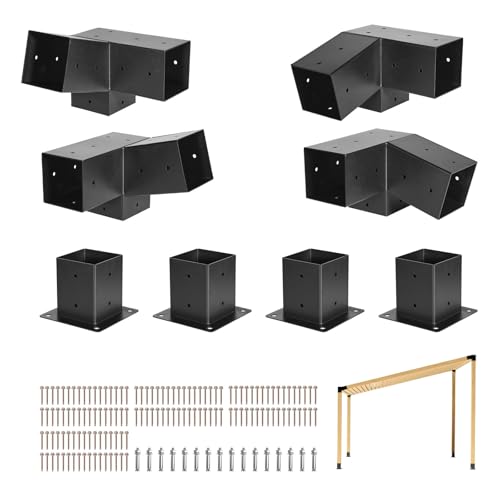
A pergola kit is a packaged outdoor structure containing all the primary components required to assemble a shade framework: vertical posts, horizontal beams, cross rafters, connecting hardware, and detailed instructions. Unlike raw lumber builds that require measuring, cutting, and drilling on-site, kits arrive with pre-notched and pre-drilled parts that fit together in a predetermined sequence.
Most kits fall into two broad categories. Attached pergolas anchor to an existing wall or fascia and extend outward, creating a seamless transition from house to patio. Freestanding pergolas stand independently on four posts and can be placed anywhere on a deck, lawn, or paver surface. The right choice depends on your available space, the level of wind exposure, and whether you want the structure to feel integrated with your home or positioned as a standalone garden feature.
Kits also vary by assembly complexity. Entry-level kits often use simple post-and-beam connections suited to DIY installation, while mid-range and premium kits may include decorative brackets, hidden fasteners, or adjustable louvers that demand more careful assembly. Understanding where a kit sits in the market helps you match the product to your comfort level with tools and your long-term expectations for the structure.
Key Factors When Choosing a Pergola Kit
1. Material Selection
The material of a pergola kit determines its appearance, maintenance rhythm, and resilience against the elements. The three most common options are wood, vinyl, and aluminum.
- Wood pergola kits — Typically cedar, pine, or redwood. Wood offers a warm, natural aesthetic that suits rustic and traditional patio styles. Cedar and redwood naturally resist rot and insects, while pine typically requires more frequent sealing. Wood kits are a long-term investment when properly maintained with periodic staining or sealing.
- Vinyl pergola kits — Made from PVC or composite materials, vinyl resists moisture, insects, and fading. It suits humid or coastal climates and requires minimal upkeep beyond occasional cleaning. Vinyl is a solid choice for homeowners who prefer a crisp, uniform white finish without the refinishing cycle that wood demands.
- Aluminum pergola kits — Lightweight, rust-proof, and available in powder-coated finishes. Aluminum is durable and well-suited to variable weather. Many modern aluminum kits include adjustable louvers for flexible shade control. These kits are popular in contemporary and minimalist landscape designs.
2. Size and Footprint
Pergola kits come in standard sizes — commonly ranging from compact 8×8 footprints to expansive 12×16 or larger configurations. Before choosing, measure your available space and account for clearance around the posts. A pergola should leave comfortable walking room on all sides and not obstruct doors, windows, or pathways.
Consider how you intend to use the space. A smaller kit works well over a two-seat bistro setup, while a larger footprint can accommodate a full six-chair dining arrangement or a lounge zone. If you plan to add a patio swing or freestanding seating beneath the structure, size up accordingly to keep the area feeling open rather than cramped.
3. Attachment Style: Attached vs. Freestanding
Attached pergola kits secure to a house wall or roofline and are ideal for patios that sit directly against the home. They create a natural extension of indoor living space and often feel more integrated. However, attachment requires proper flashing and ledger-board installation to prevent water intrusion — a step that may call for professional assistance.
Freestanding pergola kits offer placement flexibility and can define a distinct zone in the yard, such as over a paver patio or beside a water feature. They require secure anchoring to resist wind uplift, especially in exposed locations. Freestanding units are generally easier to install for confident DIYers because they do not involve modifying the home's exterior.
4. Roof Style and Shade Control
The top structure of a pergola determines how much shade it provides. Traditional rafter-style pergolas offer partial shade with an open, airy feel. Some kits add retractable canopies or shade sails for adjustable coverage. Louvered pergola kits feature adjustable slats that can be angled to block direct sun or opened for airflow — a feature-rich option for homeowners who want precise control over light and ventilation.
If your primary goal is sun protection over a dining area, pair a pergola with a patio umbrella for layered shade, or choose a louvered kit that eliminates the need for additional overhead cover. Consider how the structure will perform during rain — standard pergolas are not waterproof, so if you need rain protection, look for kits with integrated canopy channels or plan to add aftermarket covers.
5. Assembly Complexity and Tools Required
Most pergola kits are rated for DIY assembly, but complexity varies widely. Entry-level kits with simple post brackets and through-bolts can often be assembled by two people in a weekend using basic hand tools. Mid-range kits may include notched joinery or hidden fastener systems that require more precision. Premium and luxury kits with integrated louvers or motorized components may recommend professional installation.
Check the manufacturer's recommended skill level and the number of people needed for safe assembly. Tall posts and long beams can be awkward to position — having a helper is almost always advisable. If you are not comfortable working at height or anchoring into concrete, factor in the option of professional installation when evaluating the overall project.
6. Anchoring and Wind Resistance
A pergola is only as stable as its foundation. Freestanding kits must be anchored to a solid surface — concrete slab, deck framing, or paver base — using appropriate post bases and fasteners. In windy regions, additional ground anchors or weighted bases may be necessary. Attached kits rely on a secure ledger connection to the house structure, which must be properly flashed and fastened.
Before purchasing, confirm the kit's wind-rating information and check local building codes for anchoring requirements. A well-anchored pergola protects both your investment and your household. For decks, verify that the framing can support the added load of the structure and any furniture placed beneath it.
Understanding Pergola Kit Market Tiers
Rather than focusing on currency figures, it helps to think of pergola kits in terms of market positioning. The tiers below describe relative build quality, material thickness, and feature sets so you can align your expectations with what each category delivers.
Starter Tier
Basic post-and-beam construction, standard hardware, and straightforward joinery. Suitable for calm climates and homeowners seeking a simple shade frame with a manageable assembly process.
Balanced Tier
Improved material thickness, reinforced connections, and optional shade accessories. A solid choice for most residential settings, offering a good balance of durability and assembly complexity.
Top-Tier
Heavy-duty framing, decorative detailing, louvered or adjustable roof systems, and premium finishes. Designed for long-term performance and refined aesthetics in demanding outdoor environments.
Material Comparison at a Glance
| Material | Best For | Maintenance Level | Climate Suitability |
|---|---|---|---|
| Wood (Cedar/Redwood) | Natural, warm aesthetic; traditional and rustic designs | Moderate — periodic sealing or staining | Temperate climates; requires protection in wet regions |
| Wood (Pine) | Entry-level to mid-range structures with a classic look | Higher — frequent sealing and inspection | Dry, moderate climates |
| Vinyl/PVC | Low-maintenance, uniform white finish; coastal or humid areas | Low — occasional cleaning | Humid, coastal, and wet climates |
| Aluminum | Modern designs, louvered roofs, lightweight installation | Very low — rinse and wipe | Variable weather; rust-proof and durable |
Pre-Purchase Checklist for Pergola Kits
- Measure your available space, including clearance for doors, windows, and walkways.
- Confirm whether an attached or freestanding structure better suits your layout.
- Check local building permit requirements for outdoor structures.
- Verify the anchoring surface — concrete, deck, or pavers — and confirm the kit includes compatible bases.
- Review the assembly skill rating and the number of people recommended for installation.
- Consider wind exposure and select a kit with appropriate anchoring and bracing.
- Decide whether you need fixed shade, retractable canopy, or adjustable louvers.
- Plan for long-term care based on material — sealing for wood, cleaning for vinyl and aluminum.
Installation Tips for a Smooth Build
Proper preparation makes the difference between a weekend project and a frustrating ordeal. Start by laying out the footprint with stakes and string to visualize the structure's position. Check for level ground and make any necessary adjustments to the anchoring surface before assembly begins.
Sort all hardware and pre-cut components before starting, and read the instructions from beginning to end. Having a second person available for lifting posts and beams is strongly recommended. Work methodically from the base upward, and do not tighten all fasteners until the frame is square and aligned. For attached kits, pay close attention to flashing details around the ledger board to prevent moisture issues over time.
If you plan to furnish the space beneath the pergola, consider the layout in advance. A compact patio table and chairs set fits neatly under a smaller kit, while a larger footprint can host a patio sofa set or a picnic table for casual outdoor dining.
Frequently Asked Questions
What is a pergola kit?
A pergola kit is a pre-engineered, pre-cut package containing all structural components needed to assemble an outdoor shade structure. Kits typically include posts, beams, rafters, hardware, and step-by-step assembly instructions, making installation far more straightforward than building from raw lumber.
Do I need a permit to install a pergola kit?
Permit requirements vary by municipality. Many areas require a permit for freestanding structures above a certain height or footprint, while attached pergolas may also need approval. Always check with your local building department before purchasing or installing a pergola kit.
Which pergola material is best for my climate?
Wood offers natural warmth and can be stained or painted, making it ideal for temperate climates with proper sealing. Vinyl resists moisture, insects, and rot, suiting humid or coastal regions. Aluminum is lightweight, rust-proof, and requires minimal upkeep, making it a strong all-around choice for variable weather.
Can I install a pergola kit myself?
Yes, many pergola kits are designed for DIY installation with basic tools. However, larger or attached units may require two or more people and some carpentry experience. Check the manufacturer's skill-level rating and consider professional installation for complex or heavy structures.
How do I anchor a freestanding pergola kit?
Freestanding pergolas should be anchored to a solid surface such as a concrete slab, deck, or paver patio using post bases and appropriate fasteners. In windy areas, additional ground anchors or weighted bases may be recommended. Always follow the manufacturer's anchoring instructions for safety and stability.
Ready to Choose Your Pergola Kit?
With a clear understanding of materials, attachment styles, sizing, and anchoring, you are well-positioned to select a pergola kit that fits your space and lifestyle. Whether you prefer the natural warmth of cedar, the low-maintenance appeal of vinyl, or the modern durability of aluminum, the right kit will transform your outdoor area into a comfortable, shaded retreat for years to come.
Explore the recommended pergola kits below to compare features and find the right structure for your backyard.