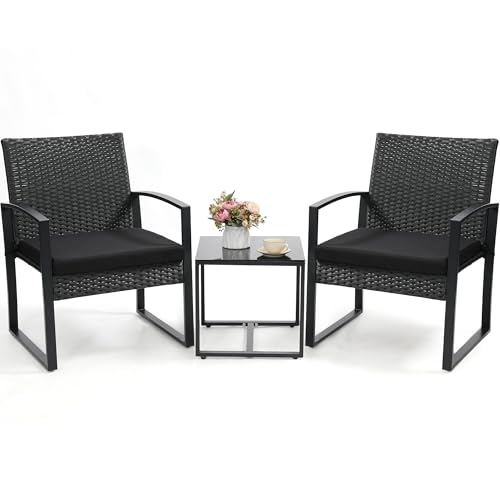
Patio Table and Chairs for 2: A Complete Buying Guide
Everything you need to choose a compact two-person patio dining set that fits your space, matches your style, and holds up season after season.
START THE GUIDEWhy a two-person set deserves careful thought: A patio table and chairs for 2 is one of the most practical outdoor purchases you can make. It suits balconies, small decks, breakfast nooks, and quiet corners of a larger yard. Because the footprint is small, every decision — table shape, chair type, material, and clearance — has a bigger impact on how the set actually feels in daily use. This guide walks you through each decision in plain language so you can buy with confidence.
Who a Two-Person Patio Set Is Really For
Most shoppers landing on this page already know they want a small outdoor dining set. What they usually need is confirmation that a two-person size is the right call and guidance on which configuration fits their situation. A patio table and chairs for 2 is typically the best fit for:
- Couples and solo dwellers who want a dedicated spot for morning coffee, weekend brunch, or an evening glass of wine outdoors.
- Balcony and apartment residents working with limited floor area where a full-size dining set would overwhelm the space.
- Small deck owners who still want a proper dining surface rather than relying on side tables and trays.
- Homeowners with a large patio who want a secondary intimate dining zone separate from the main entertaining area.
- Seasonal entertainers who prefer a set that can be folded, stacked, or moved easily when not in use.
If you regularly host four or more people, a larger configuration is usually the smarter long-term choice. You can explore broader options in our patio table and chair set guide, which covers family-sized layouts and how to scale up without crowding the space.
Table Shapes and Sizes That Work for Two
The table is the anchor of the set, so start there. For two diners, three shapes dominate the market, and each behaves differently in a small space.
Round tables (24–32 inches)
The most space-efficient shape for two. With no corners, a round table is easier to walk around and feels softer on a balcony or tight deck. Round tops also pair naturally with a central umbrella if you want shade later.
Square tables (24–30 inches)
A square top gives each diner a defined side and often provides slightly more usable surface than a round table of similar width. It tucks neatly into corners and against walls, which makes it a strong pick for rectangular balconies.
Rectangular tables (30–36 inches wide)
Rectangular two-person tables offer the most linear dining space and suit face-to-face meals. They work best along a wall or railing and are a natural fit for narrow decks where depth is limited.
Height matters too
Standard dining height (around 28–30 inches) is the most comfortable for full meals. Counter-height and bar-height sets change the feel of the space and pair with taller stools, but they are less forgiving for longer sitting sessions.
As a rule of thumb, allow about 24 inches of table width per person. That gives each diner enough room for a plate, glass, and cutlery without elbowing the other. If the table will also hold serving dishes or a small centerpiece, lean toward the upper end of the size range for your chosen shape.
Materials: Matching the Set to Your Climate and Routine
Material choice affects weight, maintenance, and how the set ages. For a two-person set, weight is especially important because you may need to move it for cleaning, storage, or seasonal changes.
| Material | Tier | Best For | Watch-Outs |
|---|---|---|---|
| Powder-coated aluminum | Mid-range | Balconies, coastal areas, everyday use | Lightweight frames can shift in strong wind; check for weighted feet |
| High-grade steel with rust-proof finish | Mid-range to premium | Permanent patios, windy locations | Heavier to move; finish must be maintained to prevent corrosion |
| Teak and dense hardwoods | Premium to luxury | Long-term outdoor dining, natural aesthetic | Requires periodic sealing or oiling; heavier than metal |
| Resin and high-density plastic | Entry-level | Covered balconies, low-maintenance households | Less premium feel; color can fade with prolonged direct sun |
| Wicker and rattan (natural or synthetic) | Mid-range | Covered patios, relaxed styling | Synthetic weaves hold up better outdoors than natural rattan |
If you want a deeper dive into how different frame materials behave over time, our resin and plastic outdoor furniture overview explains where synthetic materials genuinely perform well and where they fall short. For households in humid or coastal climates, prioritize frames with a rust-proof finish and stainless hardware.
Choosing Chairs That You Will Actually Sit In
A two-person set is only as good as its chairs. Because you will use this set for real meals, comfort and durability matter more than styling alone.
- Folding chairs are the most practical choice for balconies and seasonal storage. They collapse flat, are easy to carry, and suit sets that double as occasional dining spots.
- Stacking chairs offer a more solid seated feel while still saving space when not in use. They are a strong middle ground for year-round patios.
- Stationary chairs with arms feel the most substantial and are the best choice for everyday dining, but they require permanent floor space.
- Cushions add comfort, especially for longer dinners. Look for quick-drying foam and solution-dyed fabrics that resist fading and mildew. Our guide to patio table chair cushions covers how to choose and care for them.
- Armrests and back height are easy to overlook. A slightly higher back and modest armrests make a noticeable difference over a long meal.
Practical tip: Sit in the chair before you commit if you can, or check the seat height and back height in the product specs. A chair that looks right but sits too low relative to the table will feel awkward every single meal.
Measuring Your Space Before You Buy
Small sets fail for one main reason: the table fits, but the people and chairs around it do not. Measure first, then shop.
- Table footprint: Record the exact width and depth of the table top you are considering, not just the frame.
- Chair pull-out clearance: Leave at least 24 inches between the table edge and the nearest wall, railing, or planter so chairs can slide out comfortably.
- Walkway space: Keep a clear path of roughly 30 inches for movement around the set, especially on a balcony with a door.
- Umbrella clearance: If you plan to add shade, check that the table has a central hole and that the umbrella base will not block foot space. A dedicated patio side table with an umbrella hole can solve shade needs when the main table lacks one.
- Storage space: If you plan to fold or stack the set in winter, confirm where it will go and measure that spot too.
For tight balconies and compact decks, our guide to a patio table and chairs for a small deck goes deeper into layouts and clearance rules specific to limited footprints.
Shade and Umbrella Options for Two-Person Tables
Shade is often the difference between a set you use daily and one you avoid at midday. Small tables handle shade differently than large ones.
If your chosen table has a central hole, a compact umbrella with a properly weighted base is the simplest solution. Confirm the hole diameter matches the umbrella pole — many tables use a standard opening, but sizes do vary. Our explainer on patio tables with a 2-inch umbrella hole helps you verify compatibility before ordering. If the table has no hole, a freestanding umbrella with a heavy base or a cantilever umbrella placed beside the set works well, though it consumes extra floor space.
For a broader look at shade strategy across small outdoor areas, see our patio shade ideas and solutions guide.
Style Pairing: Making a Small Set Look Intentional
A two-person set occupies a small visual footprint, so the surrounding details carry more weight. A few deliberate choices make the whole corner look designed rather than improvised.
Match the material to the setting
Metal frames suit modern and minimalist balconies. Wood and wicker soften a garden or cottage-style patio. Mixing one natural texture with one clean-lined material usually looks better than matching everything exactly.
Add one supporting piece
A slim patio side table beside the set gives you a landing spot for drinks, a lantern, or a small plant without crowding the dining surface.
Use a rug to define the zone
An outdoor rug under the table visually anchors the set and separates it from the surrounding deck or patio surface. Choose a size that extends slightly beyond the chairs when pulled out.
Keep decor low and light
On a small table, a single low centerpiece or a small planter reads better than a cluster of items. Reserve taller decor for the side table or the floor nearby.
Care and Maintenance for a Small Outdoor Dining Set
A two-person set is easy to maintain because there is less surface area to clean. A simple routine keeps it looking sharp and extends its working life.
- Weekly: Wipe the table top and chair frames with a damp cloth to remove pollen, dust, and food residue.
- Monthly: Check bolts, joints, and folding mechanisms. Tighten anything that has loosened and lubricate hinges on folding chairs.
- Seasonally: Clean cushions according to the manufacturer's instructions and let them dry fully before storing. Inspect metal frames for early signs of corrosion and touch up the finish if needed.
- Before winter: Store folding and stacking sets indoors or under a breathable cover. For stationary sets left outside, use a fitted cover that allows airflow.
For a full seasonal routine, our weatherproofing guide covers protective treatments and storage best practices in detail.
What to Check Before You Order Online
Buying a two-person set online is straightforward if you verify a handful of details that product photos rarely make obvious.
- Assembled dimensions for both the table and each chair, including seat height and back height.
- Weight capacity per chair, especially for folding and resin models.
- Frame material and finish, including whether hardware is rust-resistant.
- Assembly requirements — some sets ship fully assembled, others require tools and time.
- Return policy and warranty length, since outdoor furniture can arrive with shipping damage.
- Customer photos showing the set in a real space, which give a better sense of scale than studio images.
Buying signal to watch: Listings that specify chair seat height, table top thickness, and hardware material tend to come from brands that understand outdoor use. Vague listings that only show lifestyle photos are worth extra scrutiny.
Common Mistakes to Avoid
- Buying for the table only. Chairs pulled out need far more room than the table alone. Measure the full working footprint.
- Choosing style over seat comfort. A set that looks perfect but sits poorly will go unused. Prioritize seat height and back support.
- Ignoring wind. Lightweight frames on exposed balconies can tip or slide. Look for weighted bases or add sandbags to umbrella bases.
- Skipping the umbrella base. An umbrella without a properly weighted base is a safety risk in gusty weather, regardless of table size.
- Forgetting storage. If you plan to store the set seasonally, confirm the folded dimensions fit your storage space before ordering.
Ready to Compare Two-Person Sets?
Browse curated options for compact patios, balconies, and small decks — with filterable features like folding frames, umbrella holes, and weather-resistant finishes.
Explore Patio Tables & ChairsFrequently Asked Questions
What size patio table is best for two people?
A two-person patio table typically measures between 24 and 32 inches in diameter for round models, or roughly 24 to 30 inches wide for square and rectangular versions. Allow at least 24 inches of table width per person so each diner has comfortable elbow room for plates, drinks, and tableware.
What is the difference between a bistro set and a patio table and chairs for 2?
The terms overlap significantly. A bistro set is a compact two-person dining set, usually with a small round table and two chairs, designed for casual meals and coffee. A patio table and chairs for 2 is the broader category and can include square, round, or rectangular tables with folding, stacking, or stationary chairs built for full outdoor dining.
Which material is most durable for a two-person patio set?
Powder-coated aluminum and high-grade steel frames with rust-proof finishes offer the best balance of durability and light weight for small sets. Teak and other dense hardwoods are premium long-term options, while resin and high-density plastic are practical entry-level choices for covered balconies and low-maintenance households.
Can a two-person patio table fit on a small balcony?
Yes. Compact round or square tables between 24 and 30 inches wide, paired with folding or stackable chairs, fit comfortably on most balconies. Measure your usable floor area first and leave at least 24 inches of clearance around the table for chair pull-out and walking space.
Should I choose a folding or stationary two-person patio set?
Folding sets are ideal for balconies, apartments, and seasonal storage because they collapse flat and move easily. Stationary sets feel more solid for everyday dining and suit permanent patios or decks. If you entertain occasionally and value flexibility, a folding set is the more versatile choice.
A patio table and chairs for 2 is a small purchase with an outsized effect on how often you actually eat and relax outdoors. Get the table size, chair comfort, and clearance right, and the set becomes a daily habit rather than an occasional decoration. Use the checklist above, measure twice, and choose the configuration that matches how you live — not just how the photos look.