Patio Shade Guide: Choosing the Right Shade for Your Outdoor Space
Shade is the difference between a patio you use on mild days and a patio you enjoy all season. This guide explains every major shade category — umbrellas, pergolas, gazebos, awnings, canopies and shade sails — so you can match the right structure to your climate, layout and lifestyle before you commit.
Whether you are shading a compact balcony or a full backyard dining zone, the decision comes down to three factors: coverage, permanence and wind exposure. We break each one down below with practical comparisons and tier-based recommendations.
Why Patio Shade Deserves Careful Planning
Without shade, most patios become unusable during peak afternoon sun. Fabric and cushion materials fade faster, dining surfaces overheat, and guests retreat indoors. A well-planned shade layer protects both people and furniture, and it extends the usable hours of your outdoor space from morning through late afternoon.
Shade also interacts directly with your furniture layout. If you are still building out your seating area, our patio sofas guide explains how shade coverage affects upholstery choice and placement. For dining configurations, review patio table and chair sets alongside your shade plan so the umbrella pole or structure does not conflict with seating clearance.
Main Types of Patio Shade
Patio Umbrellas
Umbrellas are the most flexible shade solution. A market umbrella fits through a table hole, while a cantilever umbrella offsets the pole so seating stays unobstructed. Coverage ranges from small bistro canopies to large heavy-duty models spanning wide dining tables.
Key details to check: pole diameter compatibility, canopy fabric rating, and base stability. If your table already has an opening, confirm the hole dimension using our 2-inch umbrella hole table guide before ordering a canopy. For wind-exposed patios, a wind-stable umbrella paired with an appropriate weighted base is the safer configuration.
Tier guidance: entry-level umbrellas typically use lighter frames and thinner fabric; mid-range models add crank and tilt mechanisms; premium and luxury tiers use reinforced ribs, solution-dyed fabric and commercial-grade frames.
Pergolas
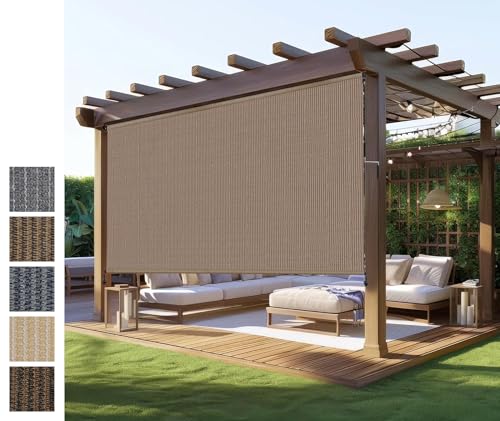
A pergola creates a defined shade footprint attached to or freestanding beside the home. Open-louver and slatted designs provide partial shade with airflow, while louvered roofs can be adjusted for full coverage. Pergolas are a long-term investment and usually require footing preparation.
Compare pergola kits if you want a structured build without full custom fabrication, or review the broader pergola overview for material comparisons. Pergolas pair naturally with lounging zones — see our patio swing guide for shaded seating ideas under a roof structure.
Tier guidance: starter-tier kits use lighter aluminum; mid-range offers reinforced posts and powder-coated finishes; top-tier and professional-grade pergolas include motorized louvers and engineered anchoring.
Gazebos and Canopies
Gazebos provide full roof coverage and often include screening. They suit dining areas, hot tub surrounds and poolside lounging. Pop-up canopies are the portable alternative for seasonal events and temporary shade.
If you plan a shaded dining zone, coordinate with a six-chair table configuration or a large ten-seat arrangement to confirm interior clearance under the frame.
Awnings and Retractable Shade
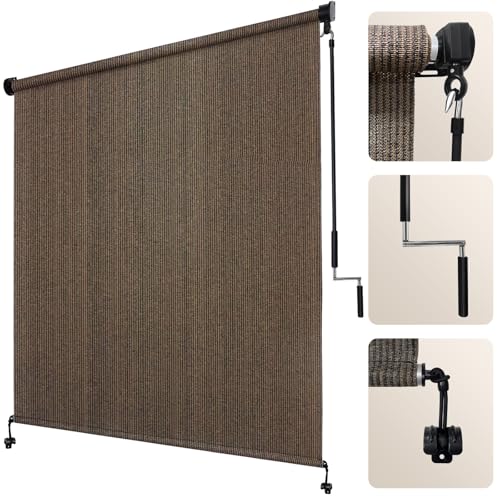
Retractable awnings attach to the house wall and extend over the patio on demand. They are efficient for narrow patios and courtyards, and they retract during storms. Motorized models are common in premium tiers.
Pair wall-mounted shade with compact furniture; our small deck table guide covers layout planning for tight footprints.
Shade Sails and Fabric Structures
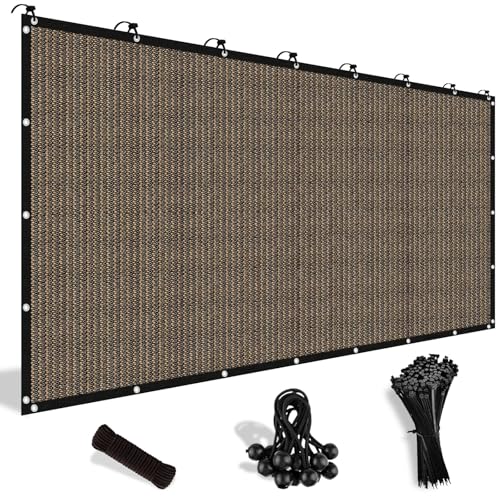
Shade sails offer modern visual appeal and strong UV blocking with minimal structural footprint. They require secure anchor points and correct tensioning. They work well over lounging areas — see our canopy swing options for covered seating alternatives.
Patio Shade Comparison by Scenario
| Scenario |
Best Shade Category |
Tier Focus |
Key Consideration |
| Small balcony or courtyard |
Cantilever umbrella or retractable awning |
Mid-range |
Offset pole avoids blocking floor space |
| Dining table with existing hole |
Market umbrella |
Essential to mid-tier |
Confirm pole diameter and table hole size |
| Permanent backyard shade |
Pergola or gazebo |
Premium to luxury |
Footing preparation and anchoring |
| Wind-exposed coastal patio |
Heavy-duty umbrella with weighted base |
High-end tier |
Wind rating and base mass |
| Seasonal entertaining |
Pop-up canopy |
Entry-level |
Portability versus durability trade-off |
Canopy Fabrics and Frame Materials
Shade durability comes down to two components: fabric and frame. Solution-dyed acrylic and high-grade polyester resist fading and mildew better than basic woven fabric. Aluminum frames resist corrosion, while steel frames are heavier but need rust-proof finish maintenance. Wood frames suit rustic layouts — our patio styles guide covers matching structure material to design theme.
For coastal or humid climates, prioritize rust-resistant hardware and ventilated canopies that reduce wind lift. In dry climates, fabric UV rating matters more than water repellency.
Measuring for Shade Coverage
Measure the footprint you want shaded, then add overhang. An umbrella canopy should extend beyond the seating edge by roughly the canopy radius minus the pole offset. For dining, the canopy must clear head height above the table. For pergolas and gazebos, measure post spacing against the furniture footprint — our patio table and chairs overview includes typical clearance dimensions.
Track the sun path across the patio at midday and late afternoon. Shade that covers morning coffee seating may leave the dining zone exposed at dinner. Position structures accordingly, or choose a movable umbrella solution for flexibility.
Shade Maintenance and Seasonal Care
Umbrella fabric should be cleaned and dried fully before storage to prevent mildew. Pergola and gazebo roofs need seasonal inspection of fasteners and anchors. Retractable awnings should be retracted during high-wind events. Store cushions in a dry location or a patio storage box to preserve fabric life under shade structures.
Shade extends the lifespan of your furniture by reducing UV exposure. Combine shade planning with a broader maintenance routine from our outdoor care section.
Patio Shade FAQ
What is the best patio shade option for a small space?
A cantilever umbrella or compact market umbrella with a weighted base is usually the most space-efficient choice, since it can be positioned over seating without a central table footprint.
Do patio umbrellas need a base?
Yes. Almost all freestanding umbrellas require a compatible base, and the base weight must match the canopy span and wind exposure. A heavy-duty stand is essential for larger canopies.
Is a pergola better than an umbrella for permanent shade?
A pergola offers more permanent structure and better layout integration, while an umbrella is more flexible and movable. Homeowners wanting year-round shade usually prefer a pergola or gazebo.
How much shade coverage do I need?
Cover the seating and dining footprint with extra overhang beyond the edges. Measure your furniture layout first, then match canopy or roof dimensions to that footprint plus clearance.
Ready to Choose Your Shade Solution?
Use the comparisons above to narrow your category, then review the recommended products below. Each product is selected to match the shade types and tiers discussed in this guide. Confirm pole diameter, base compatibility and canopy dimensions against your patio layout before ordering.
Disclaimer
The information provided on PatioFocus is for educational and informational purposes only. We are not professional landscapers or contractors, and our content should not replace professional advice. Always consult with a qualified expert regarding structural, safety, or weather-related concerns. Some content may use AI assistance. Always check product warranties and safety standards before purchasing. If you do not agree, please do not use this website.
Read the full disclaimer.