Patio Swing with Canopy: The Complete Buying and Care Guide
Everything you need to choose a canopy swing that fits your yard, your climate, and the way you actually relax outdoors — from frame materials and weight ratings to canopy fabrics and seasonal care.
START THE GUIDEWhy this guide exists: A patio swing with canopy combines three purchases in one — seating, shade, and a focal point for the yard. That makes the decision more layered than picking a chair. This guide walks through the specs that matter, the trade-offs between tiers, and the maintenance habits that keep a canopy swing usable season after season.
What a Patio Swing with Canopy Actually Does for Your Yard
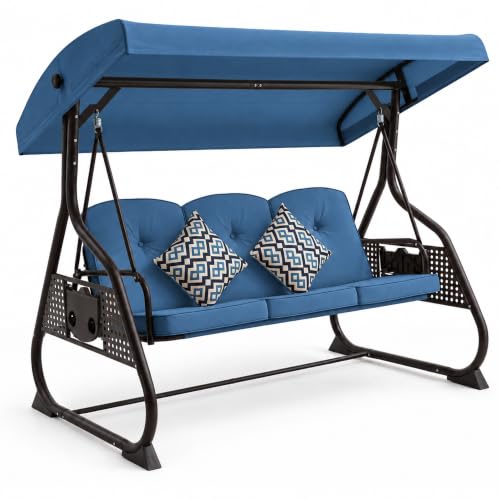
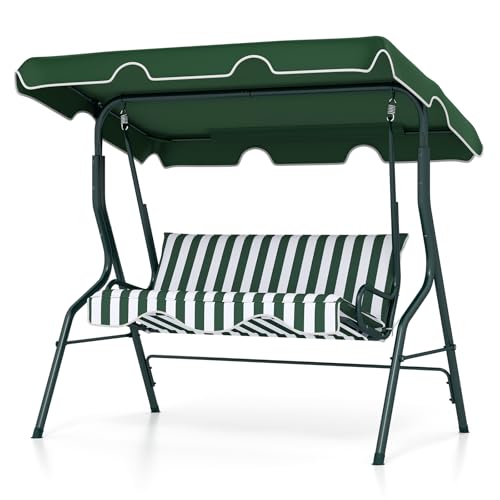
A canopy swing is a freestanding bench suspended from an integrated frame, with a fabric roof stretched over the top. Unlike a porch swing that bolts to a ceiling, a patio swing with canopy is self-supporting, so it can sit on a lawn, deck, or paver patio without structural modifications. That portability is the main reason it has become one of the most requested outdoor seating categories.
The canopy is not just decoration. It blocks direct sun during the middle of the day, which keeps the seat fabric cooler to the touch and extends the comfortable hours you can spend outside. On a west-facing deck, that difference is noticeable within minutes of sitting down.
Most buyers arrive at this category already knowing they want a swing. The real questions are about size, frame material, canopy replacement options, and how the unit will handle wind and weather. Those are the questions the rest of this guide answers.
Key Buying Criteria for a Canopy Patio Swing
Before comparing specific models, it helps to understand the five specifications that drive almost every other decision. Each one interacts with the others, so it is worth reading them together rather than in isolation.
1. Seating Size and Bench Layout
Canopy swings are typically sold as two-seater or three-seater benches. A two-seater suits a single reader or a couple and fits comfortably on a small deck. A three-seater is the more common choice for families and for anyone who wants room to stretch out with a cushion and a side tray. If you are still mapping out the seating area, the broader patio swing category overview is a useful starting point before narrowing to canopy models.
Pay attention to the actual bench depth, not just the width. Some three-seaters have shallow seats that feel cramped once two adults sit down with a cushion behind them. A deeper bench with a slight recline is generally more comfortable for long sessions.
2. Frame Material and Build Quality
The frame carries the entire load of the bench, occupants, and canopy, so it deserves the most scrutiny. Three materials dominate the category:
- Powder-coated steel — heavy-duty strength and rigidity, the standard for most three-seater canopy swings. The powder coating is the rust barrier, so inspect welds and joints for coverage. This is the most common choice in the mid-range tier.
- Aluminum — lighter and naturally rust-resistant, which makes repositioning easier. It flexes slightly more under load than steel, so frame thickness matters. Often found in the high-end tier where weight savings justify the material.
- Wood — traditional appearance and a warm finish, but requires regular sealing to resist moisture and UV. Wood canopy swings tend to sit in the premium and luxury tiers and reward owners who enjoy seasonal maintenance.
Regardless of material, look for reinforced connection points at the swing arms and canopy mounts. Those are the stress points where entry-level frames tend to fail first.
3. Canopy Fabric and UV Resistance
The canopy takes the most direct sun exposure of any component, so fabric quality determines how the swing looks after two or three summers. Polyester with a UV-resistant coating is the baseline. Higher-tier canopies use solution-dyed fabrics or tighter weave constructions that resist fading and mildew better.
Check whether the canopy is removable. A removable canopy can be taken down for winter storage or washed separately, which meaningfully extends its service life. Models with fixed canopies are harder to clean and more likely to need full replacement sooner.
If your canopy is already showing wear, a replacement canopy and cushion set is often the most practical path — it restores the look of the swing without replacing the frame.
4. Weight Capacity and Anchoring
Weight ratings on canopy swings usually range from about 450 to 600 pounds for three-seaters when the load is evenly distributed. Entry-level units sometimes list lower limits, and those numbers should be treated as firm ceilings rather than suggestions. If the swing will host two adults plus a child, choose a model with headroom above your expected combined weight.
Anchoring is equally important. A canopy swing behaves like a sail in gusty conditions. Ground stakes, concrete anchors, or weighted bases are not optional accessories in exposed yards. Place the swing on level ground and re-check the anchors at the start of each season.
5. Extras That Earn Their Place
Small features separate a swing you use occasionally from one you use weekly. A built-in cup holder reduces the need for a side table, which matters on tight decks. A center console or tray between the seats gives you a place for a phone and a drink without adding furniture. Some models include a small side table attachment — if you prefer a standalone surface, a patio side table pairs naturally with a swing and can be moved as needed.
If shade is the priority rather than the swing itself, the broader patio shade guide covers umbrellas, pergolas, and other overhead options that complement a swing area.
Comparing Tiers: What Changes as You Move Up the Market
Canopy swings are easiest to evaluate by tier rather than by individual feature lists. The table below summarizes the general pattern. It describes relative positioning, not specific figures, and the gaps between tiers are consistent across the category.
| Tier | Frame & Build | Canopy Quality | Best For |
|---|---|---|---|
| Entry-level | Lighter steel tubing, simpler welds, basic powder coating | Standard polyester, often fixed or semi-removable | Occasional use, sheltered patios, first swing purchase |
| Mid-range | Heavy-duty powder-coated steel, reinforced stress points | UV-resistant polyester, removable canopy | Regular family use, exposed decks, four-season climates |
| Premium | Thicker aluminum or upgraded steel, tighter tolerances | Solution-dyed or high-density fabric, easy attachment system | Frequent use, coastal or humid environments, long-term ownership |
| Luxury | Wood or premium metal construction, artisan detailing | Designer fabrics with strong fade and mildew resistance | Design-focused yards, buyers who enjoy seasonal care |
The practical takeaway: the jump from entry-level to mid-range is the most meaningful one. Mid-range models typically offer a smoother swing motion, more consistent powder coating, and a removable canopy — the three features that most affect day-to-day satisfaction.
Placement and Setup: Getting the Swing Right
A canopy swing needs more clearance than it appears to. The frame rocks forward and back during use, so leave at least a couple of feet of open space in front and behind the swing path. On a deck, check that the footprint does not block a door or a main walking route.
Surface matters too. A level, firm surface keeps the frame square and reduces stress on the joints. Grass is workable but tends to settle unevenly over time; pavers and composite decking hold their shape better. If you are planning hardscape around the swing area, the patio stone guide covers material options and their trade-offs.
Think about sun direction when positioning. A canopy swing is most useful when the canopy blocks the strongest afternoon sun, which usually means orienting the bench so the roof sits between the seat and the sun's path. In yards with mature trees, place the swing where it catches dappled light rather than full shade — the canopy handles the rest.
Clearance
Leave open space in front and behind the swing arc so the frame can rock without contacting walls or planters.
Level Ground
A level base keeps the frame square, reduces joint stress, and prevents the swing from drifting during use.
Anchoring
Stakes or weighted bases are essential in exposed yards. Re-check anchors at the start of each season.
Sun Path
Orient the canopy to block the strongest afternoon sun rather than relying on full shade from trees.
Care and Maintenance That Extends Service Life
Canopy swings are low-maintenance compared with wood furniture, but they are not maintenance-free. The frame, canopy, and cushion each need different attention, and the habits below cover all three.
Frame Care
Wipe the frame with mild soap and water at the start and end of the season. Inspect welds and joints for chips in the powder coating; touching up small chips early prevents rust from spreading. For steel frames in humid climates, a light application of a rust-inhibiting spray on exposed hardware is a sensible seasonal habit.
Canopy Care
Remove and wash removable canopies according to the manufacturer's instructions, usually with mild detergent and a soft brush. Avoid harsh cleaners that strip UV coatings. Let the canopy dry fully before reattaching to prevent mildew. If the canopy is fixed, clean it in place with a sponge and rinse thoroughly.
Cushion Care
Cushions should be brought inside or stored in a dry box during heavy rain and off-season. A patio storage box keeps cushions protected and doubles as a surface near the swing. Cushion covers that are removable and machine-washable make seasonal refresh much easier.
Seasonal Storage
In regions with harsh winters, disassemble or cover the swing and store the canopy and cushions indoors. A fitted cover protects the frame from ice and debris. Before storing, clean and dry every component — trapped moisture is the leading cause of off-season mildew and rust.
Quick seasonal checklist
Inspect frame welds and coating · Tighten all bolts and connections · Wash and dry the canopy · Store cushions indoors · Re-check ground anchors · Apply rust inhibitor to exposed hardware · Cover the frame during off-season.
Common Buying Mistakes to Avoid
Most regrets around canopy swings trace back to a handful of predictable oversights. Avoiding these is easier than fixing them later.
- Buying for looks over load rating. A swing that matches the yard but cannot safely seat two adults is a poor fit regardless of styling.
- Ignoring wind exposure. Open yards need anchoring and a canopy that can be removed or secured before storms.
- Skipping the canopy replacement plan. Canopies fade. Confirm replacement canopies are available before committing to a model.
- Underestimating footprint. Measure the swing arc, not just the bench width, before placing the unit on a deck.
- Choosing fixed canopies in wet climates. Removable canopies dry faster and are far easier to clean.
Companion Pieces That Complete the Setup
A canopy swing works well as a standalone feature, but a few companion pieces make the area more usable. A side table holds drinks and a book within reach. A small outdoor rug defines the zone and keeps feet off hot pavers. If the swing sits on a larger deck, a storage bench or cabinet nearby keeps cushions and throws accessible without cluttering the seating area.
For buyers planning a full seating arrangement, the patio sofa set guide explains how to balance a swing with lounge seating so the yard does not feel crowded. If the swing is part of a broader redesign, the patio styles section is a useful reference for matching materials and color palettes.
Frequently Asked Questions
What frame material is best for a patio swing with canopy?
Powder-coated steel offers heavy-duty strength and is the most common choice for three-seater canopy swings. Aluminum is lighter and naturally rust-resistant, which makes it easier to reposition but slightly less rigid. Wood frames deliver a traditional look but demand regular sealing. For humid or coastal climates, aluminum and high-grade powder-coated steel are the safest long-term options.
How much weight can a canopy patio swing hold?
Most mid-range three-seater canopy swings are rated between 450 and 600 pounds when evenly distributed across the bench. Entry-level models often list lower limits, so always check the manufacturer's stated capacity and never exceed it. Anchoring the frame to the ground also improves stability and safety.
Can I replace the canopy on my patio swing?
Yes. Replacement canopies are widely available and usually attach with hooks, sleeves, or straps over the frame. Measure the frame width and depth before ordering, and confirm the attachment style matches your swing. A replacement canopy is a practical way to extend the life of a swing whose fabric has faded or torn.
Do patio swings with canopies need to be anchored?
Anchoring is strongly recommended. Canopy swings act like sails in strong wind, so securing the feet with ground stakes, concrete anchors, or weighted bases prevents tipping. Place the swing on a level surface and check the anchors at the start of each season.
Final Thoughts
A patio swing with canopy is one of the few outdoor purchases that changes how a yard is used rather than just how it looks. The decision comes down to matching bench size to your household, choosing a frame material that suits your climate, confirming that the canopy is serviceable and replaceable, and anchoring the unit properly. Get those four things right and the swing becomes a fixture of the yard for years.
If you are still comparing swing styles, the patio swing chair guide covers single-seat options for smaller spaces, while the three-seater cushion replacement page is useful if you already own a frame and want to refresh its look.