Patio Side Table: The Complete Buying Guide
Discover how to choose the perfect patio side table for your outdoor seating area. Expert tips on materials, sizes, styles, and features to complete your backyard oasis.
START EXPLORINGWhy a patio side table matters: A well-chosen side table transforms your outdoor seating from merely functional into genuinely comfortable. It gives you a place to set down a drink, rest a book, or display a small planter—small piece of furniture, big impact on daily outdoor living.
What Is a Patio Side Table and Why Do You Need One?
A patio side table—also called an end table or accent table—is a compact outdoor table designed to sit beside a chair, sofa, or lounge. Unlike a full patio table meant for dining, a side table serves as a personal surface for drinks, snacks, phones, sunglasses, and small decor. Its modest footprint makes it ideal for tight spaces, and its height is optimized for easy reach from a seated position.
If you already own a patio sofa or a set of patio table and chairs, adding one or two side tables fills a functional gap that many homeowners overlook. They anchor your seating arrangement, improve flow, and make entertaining feel effortless. For larger gatherings, pair side tables with a patio table and chairs for 10 so guests always have a surface within reach.
Types of Patio Side Tables
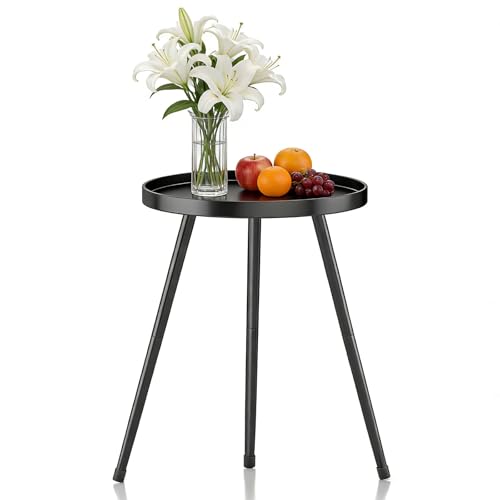
Round Side Tables
Round tops soften angular furniture and suit conversational seating clusters. They're a classic companion for a patio swing chair or a pair of lounge chairs.
- No sharp corners—safer for families
- Easy to walk around in tight spots
- Often available in nesting sets
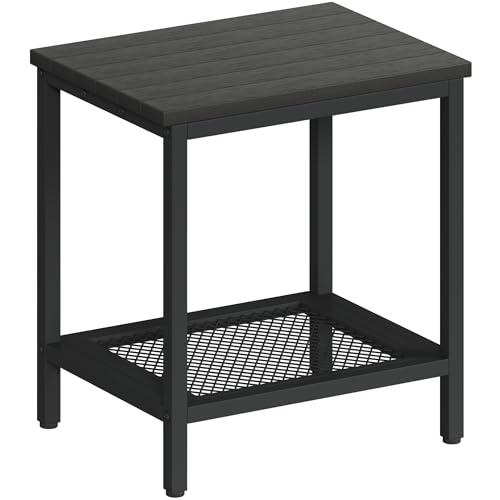
Square & Rectangular Tables
Ideal beside a patio sofa or sectional where a straight edge aligns neatly with the furniture line. Rectangular versions offer more usable surface area for trays and drinks.
- Maximizes surface within a compact footprint
- Pairs well with modern, linear furniture
- Fits flush against sofa arms
C-Shape & Cantilever Tables
The base slides under the sofa or chair so the top hovers over your lap—perfect for working on a laptop or eating a snack while seated. A practical upgrade for anyone spending long afternoons on a patio sofa set.
- Bring the tabletop right to you
- Great for small patios with limited floor space
- Stable base with no legs to trip over
Nesting Side Tables
Two or three tables that tuck together when not in use. Excellent for flexible entertaining—pull them apart when guests arrive, tuck them away when the patio is quiet. A smart option for anyone also considering a patio table and chairs for small deck where floor space is precious.
- Adaptable surface area on demand
- Compact storage footprint
- Visually interesting layered look
Materials: What Works Best Outdoors?
The single biggest factor in how a side table performs long-term is its material. Outdoor furniture faces sun, rain, humidity, and temperature swings—so material choice should match your climate and maintenance habits. For broader patio surface considerations, see our guide to patio tables and patio stone.
| Material | Tier | Best For | Care Notes |
|---|---|---|---|
| Teak & Hardwood | Premium | Natural, warm look; covered porches | Oil annually; weathers to silver if untreated |
| Powder-Coated Aluminum | Mid-range | All climates; lightweight moving | Wipe down; rust-proof finish resists corrosion |
| Wicker & Rattan (PE) | Mid-range | Coastal and bohemian styles | Rinse and dry; UV-resistant synthetic versions hold color |
| Resin & Plastic | Entry-level | High-use family patios; rainy climates | Soap and water; fully weatherproof |
| Stone & Concrete Composite | High-end tier | Heavy, permanent placement; windy sites | Seal periodically; very heavy-duty |
If your patio also uses plastic outdoor furniture or plastic resin pieces, a matching resin side table keeps the look cohesive. For a more polished style, a wicker or aluminum table complements patio sofas beautifully.
How to Choose the Right Size and Placement
Height Matters Most
Choose a side table whose top sits level with, or slightly below, the arm of your chair or sofa. This makes it comfortable to reach without stretching. Standard side tables run about 20–24 inches high—measure your seating before buying.
- Chair arm height + 1–2 inches = ideal table height
- Low lounge chairs pair with lower tables
- Check cushion thickness—it changes seated height
Top Diameter & Depth
A 16–20 inch top is enough for a drink and a small plate. Larger tops (24 inches+) suit trays, plants, or a small lantern. In a tight arrangement with a patio table and chairs for 2, a slim side table keeps walkways clear.
- Small patios: 16–18 inch round tops
- Conversation clusters: 20–24 inches
- Leave at least 18 inches of walking clearance
Where to Place It
Position one side table between two chairs to serve both, or one per chair for personal use. Beside a patio swing or a patio swing with canopy, a small side table holds drinks while you relax.
- Between two chairs = shared access
- At the sofa arm = individual service
- Near a fire pit = holds s'mores supplies safely away from flames
Special Features to Look For
Some side tables include a lower shelf, built-in cooler, or umbrella hole. If you plan to place shade over the seating area, a patio side table with hole for umbrella lets you position a slim umbrella without a full dining table. You may also want a matching patio umbrella base for 2 inch pole for stability.
- Lower shelf for books, sunscreen, or towels
- Umbrella hole for shade in small spaces
- Built-in cup holders or cooler compartments
Matching Your Side Table to Your Patio Style
A side table is a small piece, but it should feel like part of the family. Bring a photo of your existing furniture when shopping, or note the finish and leg style. If your patio follows a defined look, browse our patio styles collection for direction. Common pairings:
- Modern minimalist: slim aluminum or concrete tables in neutral tones, paired with a patio sofa with clean lines.
- Coastal: white or weathered wicker side tables that echo patio umbrellas and ocean-inspired textiles.
- Rustic: solid wood side tables with visible grain, placed beside a picnic table or picnic bench.
- Traditional: powder-coated metal in warm finishes, complementing a patio table and chair set.
Your Patio Side Table Buying Checklist
Before you commit, run through this practical checklist. It answers the questions most shoppers have when they already know they want a side table but aren't sure which one.
- Measure your seating height: tabletop should align near the armrest.
- Confirm weather resistance: look for UV-resistant, rust-proof, or sealed finishes.
- Check stability on your surface: wide bases and heavier materials resist tipping in wind—pair with a patio umbrella that won't blow over for a secure shade setup.
- Consider storage: nesting or folding designs help if you also use a patio storage box and rotate furniture seasonally.
- Plan for entertaining: one shared table between two chairs, or individual tables per seat.
- Check assembly: many arrive flat-packed; tools and time required vary.
- Review care instructions: seal wood, rinse wicker, wipe aluminum—each material has its routine.
Ready to complete your outdoor seating area? Explore our curated selection of patio side tables and find the perfect match for your space.
VIEW RECOMMENDED SIDE TABLESFrequently Asked Questions
Final Thoughts
A patio side table is one of the most practical additions you can make to an outdoor space. It supports the way you actually live outside—setting down a drink, keeping a phone dry, or holding a candle for evening ambiance. Choose a material that suits your climate, a size that fits your seating, and a style that ties your patio together. With those three factors settled, you'll have a side table that serves you for many seasons.
Disclosure: This guide is for informational purposes. Product availability and specifications may change; always verify details with the retailer before purchase. Some links on this page may earn a commission at no additional cost to you.