Picnic Bench Buying Guide: Choosing the Right Outdoor Seating
Everything you need to know about picnic benches — materials, sizes, portability, and features — so you can pick the perfect seating for your backyard, garden, or patio.
START READINGWhy a Picnic Bench Is a Smart Outdoor Investment
A picnic bench is one of the most versatile pieces of outdoor furniture you can own. Unlike a standard patio chair or a standalone dining table, a picnic bench combines seating and a table surface in a single, space-efficient footprint. It is the classic centerpiece for backyard gatherings, garden lunches, and casual al fresco dining.
Beyond the traditional wooden picnic table with attached benches, today's market offers folding designs, plastic resin models, and even convertible units that transform between a bench and a full picnic table. This guide walks you through every decision point so you can choose a picnic bench that fits your space, your climate, and the way you actually use your outdoors.
Who this guide is for: Homeowners researching picnic benches for a backyard or patio, families looking for durable outdoor dining seating, and anyone comparing folding picnic tables versus permanent installations.
Types of Picnic Benches Explained
The term "picnic bench" covers several distinct designs. Understanding the difference helps you match the bench to your intended use.
1. Classic Picnic Table with Attached Benches
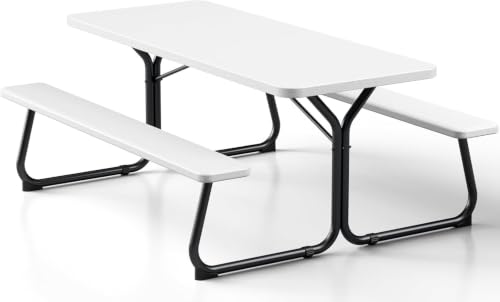
The most recognizable form: a table surface with benches permanently attached on both sides. This design is stable, seats several people at once, and works well as a permanent fixture in a backyard. If you want a dedicated outdoor dining spot, this is the traditional choice. Browse the full range of picnic tables to compare styles.
2. Standalone Picnic Bench
A bench without an integrated table. Standalone benches are ideal for pairing with an existing outdoor table, placing along a garden path, or adding casual seating near a fire pit. A simple plastic bench is a practical option for low-maintenance seating.
3. Folding Picnic Table and Bench Combos
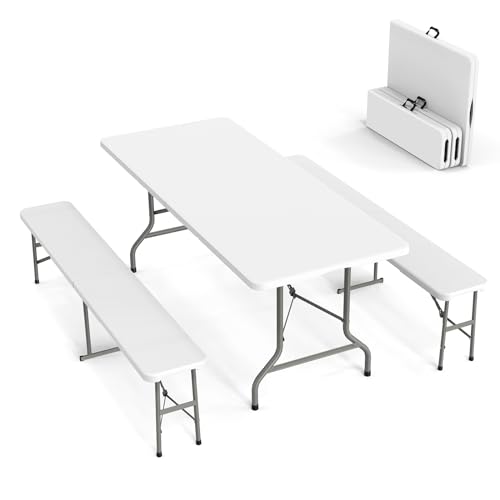
These units fold flat for storage and transport. They are the go-to choice for campers, tailgaters, and households with limited storage space. Some designs are surprisingly clever — for example, a picnic table that folds into a bench gives you two pieces of furniture in one compact package.
4. Convertible Designs
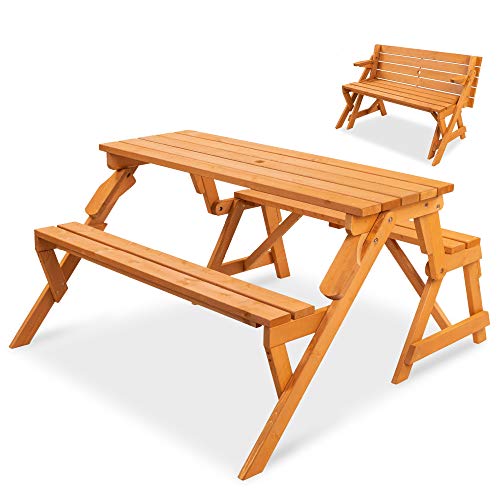
Convertible picnic benches change configuration to serve different purposes. A picnic table that turns into two benches is a smart pick for multi-use patios where flexibility matters. Similarly, a plastic bench that turns into a picnic table offers the best of both worlds in a single lightweight unit.
5. Benches with Shade
If sun exposure is a concern, consider a picnic table with umbrella. These models include an umbrella hole or a built-in canopy, keeping diners cool during midday meals.
Materials: Wood, Plastic, Metal, and Composite
The material of your picnic bench determines how long it lasts, how much maintenance it needs, and how it looks in your outdoor space.
Wood
Wood is the traditional picnic bench material. It offers a warm, natural appearance and a solid, sturdy feel. Cedar and teak are naturally rot-resistant; pine and fir are softer and require more frequent sealing. Wooden benches can be sanded and refinished, which extends their lifespan considerably. Expect to treat a wooden bench at least once a year in wet climates.
Plastic and Resin
Plastic benches are lightweight, weatherproof, and require almost no maintenance. They will not rot, splinter, or need painting. Modern resin can mimic the look of wood convincingly — see plastic outdoor furniture that looks like wood for a convincing alternative to timber. A plastic picnic table is a practical starting point for families who want easy cleanup and durability.
Metal
Steel and aluminum benches are strong and long-lasting when finished with a rust-resistant coating. Aluminum is lighter and won't rust, making it a good choice for coastal areas. Powder-coated steel offers excellent stability but can chip over time, exposing the metal beneath. Inspect the finish quality before buying.
Composite and Recycled Materials
Composite benches blend wood fibers with plastic for a material that looks like timber but resists rot, insects, and fading. They are heavier than pure plastic and generally carry a higher tier classification, but they deliver decades of service with minimal upkeep. For a broader look at material options, see our guide to plastic and resin furniture.
Sizing and Seating Capacity
Picnic benches come in a range of sizes. Matching the bench to your space and guest count avoids the common mistake of buying too large a unit for a small deck or too small a unit for a big family.
- Two-person benches: Compact standalone benches, ideal for balconies or small patios.
- Four-to-six-person picnic tables: The most common residential size. Fits a standard family comfortably.
- Eight-to-ten-person tables: Large-format units for entertaining, community gardens, or big families. These require substantial clearance around the table.
Measure your space before committing. As a rule of thumb, allow at least 30 inches (about 75 cm) of clearance on all sides so people can sit down and stand up without squeezing. If your patio is tight, consider a patio table and chairs for small deck setups, which are often more compact than full picnic tables.
Features That Matter
Not all picnic benches are created equal. These features make a real difference in daily use:
- Umbrella hole: Essential if you plan to add shade. Look for a reinforced hole with a metal ring to prevent splitting.
- Attached benches: More stable than separate seating, especially on uneven ground. However, attached benches make it harder to slide in and out.
- Folding mechanism: Folding benches save space and are easier to store or transport. Check that the locking mechanism is secure and easy to operate.
- Carry handles: On portable models, integrated handles make moving the bench far easier.
- Weather-resistant finish: A factory-applied sealant or powder coat extends the life of the bench significantly.
- Non-slip feet: Important on decks and smooth patio surfaces.
Pro tip: If you plan to move the bench regularly, prioritize a folding model with a sturdy locking system. If the bench will stay put, a heavier stationary design offers better stability and fewer moving parts to wear out.
Portable vs. Stationary Designs
Your decision here comes down to how you use the bench.
Stationary Picnic Benches
Heavy wooden or composite units that stay in one place. They offer superior stability, withstand wind better, and generally last longer because they have fewer moving parts. They are the right choice for a permanent backyard dining area.
Portable and Folding Picnic Benches
Lightweight plastic or aluminum units that fold flat. They are easy to move, store, and transport to campsites or events. The trade-off is that folding mechanisms can loosen over time, and these benches are more vulnerable to strong winds when not anchored. A plastic folding picnic table with benches is a popular portable option for families who need flexibility.
Maintenance and Weatherproofing
How you care for your picnic bench determines whether it lasts three seasons or thirty.
- Wood: Clean annually with mild soap and water, then apply a fresh coat of sealant or stain. Inspect for cracks and sand lightly before refinishing.
- Plastic: Wipe down with soapy water. Avoid abrasive cleaners that can scratch the surface. Store indoors during extreme cold to prevent cracking.
- Metal: Touch up any chipped paint immediately to prevent rust. Apply a rust-inhibiting primer if bare metal is exposed.
- Composite: Rinse with a hose and scrub occasionally with a soft brush. Composite is largely maintenance-free, but keeping it clean prevents stains from setting in.
In winter, cover or store your bench to protect it from ice and snow. For furniture covers and storage solutions, see our patio storage box and patio storage bench guides.
Comparison Table: Picnic Bench Tiers
The table below classifies picnic benches by market tier and typical characteristics. Use it to frame your expectations before you start shopping.
| Tier | Typical Materials | Best For | Durability | Maintenance |
|---|---|---|---|---|
| Entry-level | Basic plastic/resin, softwood | Occasional use, tight spaces, renters | 3–5 years | Low to moderate |
| Mid-range | Powder-coated steel, treated pine, quality resin | Family backyard, regular seasonal use | 5–10 years | Moderate |
| Premium | Cedar, teak, composite, heavy-duty aluminum | Permanent installation, year-round exposure | 10–20 years | Low to moderate |
| Luxury | Teak, marine-grade aluminum, architect-designed composites | Design-focused patios, commercial-grade settings | 20+ years | Low (high-quality materials) |
Within any tier, a model with a better finish and thicker material will usually outlast a lighter-weight alternative. If you want a bench that lasts, focus on material quality and joinery rather than decorative extras.
Buying Checklist
Before you commit, run through this checklist. It covers the practical details that cause buyer's remorse when overlooked.
Frequently Asked Questions
A picnic bench is simply a bench designed for outdoor seating. A picnic table typically includes a table surface with attached benches. Some products blur the line — for example, convertible designs that function as both. When shopping, check whether the product includes a table or is a standalone seat.
Quality plastic and resin benches are reinforced with internal ribs and can support typical adult weights without issue. Entry-level models may flex slightly under heavier loads. If daily use is expected, choose a mid-range or premium plastic bench with a reinforced frame.
It depends on the material. Plastic, composite, and treated wood benches can stay outside year-round in most climates, though covering them during winter extends their life. Untreated wood and bare metal should be protected or stored during harsh weather.
A standard standalone bench seats two to three adults comfortably. A full picnic table with attached benches typically seats four to six. Large-format tables can accommodate eight to ten. Always check the manufacturer's stated seating capacity.
Only if you plan to use an umbrella for shade. If your bench has no hole, you can still use a freestanding umbrella with a weighted base. If you do want an umbrella, confirm the hole diameter matches standard umbrella pole sizes (typically 1.5 to 2 inches).
Salt air accelerates corrosion. Aluminum and high-quality plastic or composite are the best choices for coastal environments. Avoid untreated steel. If you choose wood, teak and cedar offer better natural resistance, but still require regular sealing.
Yes, but with caveats. Folding mechanisms wear faster with constant exposure to weather and repeated setup. If you plan to leave the bench outside permanently, a stationary model will generally last longer and require fewer repairs.
Apply a penetrating sealant or exterior stain at least once a year. Ensure the bench has drainage and does not sit directly on wet ground. Elevate the legs slightly with rubber pads, and cover the bench during prolonged wet periods if possible.