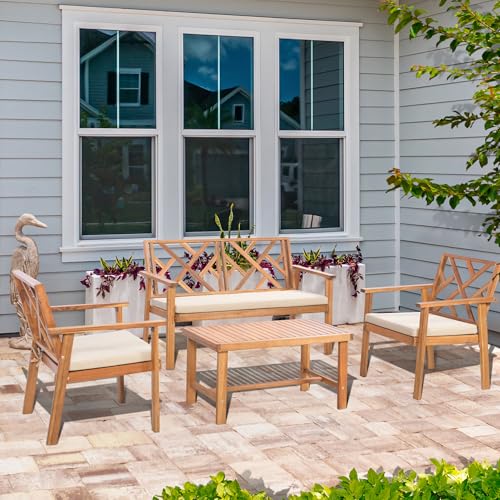
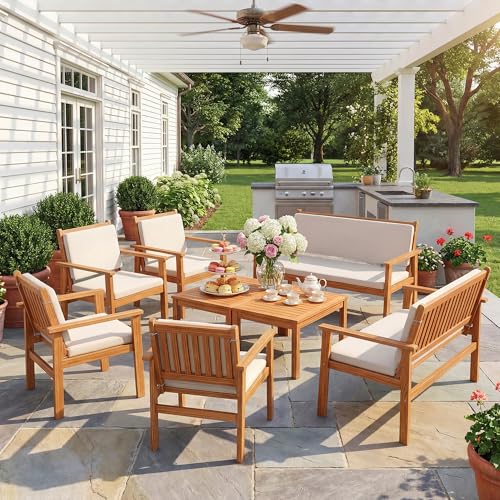
Plastic Outdoor Furniture That Looks Like Wood: The Complete Buyer's Guide
Get the warmth and character of natural timber without the sanding, sealing, and rot worries. This guide explains how wood-look plastic furniture is made, what to compare, and how to choose pieces that suit your patio, deck, or balcony.
Material Science • Style Matching • Durability ChecklistWhy this guide matters: If you love the look of wood outdoors but dread yearly maintenance, modern resin and high-density polyethylene furniture can be an excellent middle path. The key is knowing which construction methods produce a convincing grain, which models hold their color, and how to match the finish to your existing outdoor design.
What Is Wood-Look Plastic Outdoor Furniture?
Wood-look plastic outdoor furniture is molded from synthetic materials — typically high-density polyethylene (HDPE), polypropylene, or resin blends — and finished with textured surfaces, grain patterns, and color variation that imitate natural timber. The best pieces replicate not just the color of wood, but also its subtle tonal shifts, knots, and matte texture. This category sits alongside more traditional options like plastic and resin furniture, but it prioritizes visual warmth over the bright, uniform look of standard plastic patio pieces.
The appeal is straightforward: you get the aesthetic of a wooden bench, Adirondack chair, or dining table combined with the weather resistance that synthetic materials are known for. Because the material does not absorb water, wood-look plastic resists rot, splitting, and insect damage. It also never needs staining or sealing, which makes it a practical fit for busy households and rental properties.
How Manufacturers Create a Realistic Wood Finish
Not all faux wood is created equal. Understanding the production method helps you judge realism before you commit. Most wood-grain plastic furniture uses one of three approaches:
- In-mold texturing: The mold itself carries a grain pattern, so the texture is part of the piece rather than a surface layer that can wear away.
- Dual-tone coloring: Two or more shades are blended during molding to replicate the natural streaking of timber. This is common in premium and luxury tier pieces.
- Post-molding surface treatment: A secondary process adds grain lines or a matte topcoat. Entry-level models may use this method, and the finish can be less durable over many seasons.
The most convincing pieces combine all three. When shopping, look closely at the grain direction and color variation — the better the finish, the less it looks like a flat printed pattern.
Material Comparison: Wood-Look Plastic vs. Real Wood vs. Standard Plastic
| Feature | Wood-Look Plastic | Real Wood | Standard Plastic |
|---|---|---|---|
| Weather resistance | High — no rot, splintering, or insect damage | Moderate — requires sealing and seasonal care | High — but can become brittle with age |
| Maintenance | Wipe clean with soap and water | Sand, stain, and seal regularly | Wipe clean; UV fading possible |
| Visual warmth | Convincing grain on mid-range and premium models | Natural and unmatched | Typically flat and uniform |
| Weight | Light to moderate depending on construction | Heavy | Light |
| Best for | Low-maintenance patios and decks | Traditional or rustic settings | Casual or temporary setups |
If you are furnishing a shaded porch or a covered balcony, the visual difference between mid-range faux wood and standard plastic is often significant. For sun-exposed areas, prioritize models with UV-stabilized colorants.
Popular Furniture Types With Wood-Look Finishes
Wood-grain plastic appears across nearly every outdoor furniture category. The most common pieces include:
Adirondack Chairs and Loungers
Classic slatted Adirondack chairs are one of the most popular expressions of this material. The wide armrests and reclined back suit them perfectly to casual patios. Many models are available with cup holders or phone slots. Browse our collection of plastic Adirondack chairs and the variants with built-in cup holders if you want a wood-look seat that is ready for entertaining.
Dining Tables and Chair Sets
Wood-look plastic dining tables bring the warmth of timber to al fresco meals while staying light enough to move. Look for tables with umbrella holes if you plan to add shade. Our guides to the plastic outdoor dining table with umbrella hole and the broader plastic outdoor table category cover sizing, stability, and seating options.
Benches and Picnic Tables
A faux wood bench can anchor a garden path or provide extra seating near a fire pit. For family gatherings, a plastic picnic table with a wood-grain finish offers the traditional look without the upkeep of timber. If space is limited, a convertible bench-to-picnic-table is a versatile option for small yards.
Rocking Chairs and Porch Seating
Wood-look plastic rocking chairs are a natural fit for front porches and covered decks. The material's light weight makes them easy to reposition, while the grain finish keeps the classic porch aesthetic intact.
Storage Pieces
Wood-grain finishes extend to outdoor storage. A plastic outdoor storage box or storage cabinet with a timber texture can blend into a wooden deck or garden setting far better than a plain plastic unit. For smaller items, a weather-resistant storage container is worth considering.
Quality Tiers: What to Expect at Each Level
Wood-look plastic furniture spans a wide range of construction quality. Use this tier system to align your expectations with the product class you are comparing.
Essential Tier
Simple grain patterns, lighter construction, and fewer color variations. Suitable for occasional use and sheltered spaces. Expect basic UV resistance and a finish that may fade gradually over several seasons.
Balanced Tier
Dual-tone coloring, deeper molded texture, and reinforced joints. A solid choice for year-round patios. These models typically offer better color stability and a more convincing grain than starter pieces.
Top-Tier
Multi-tone finishes, heavy-duty construction, and commercial-grade UV stabilizers. Designed for full sun and frequent use. The grain detail and color depth come closest to natural timber.
Pros and Cons of Wood-Look Plastic Furniture
Advantages
- No staining, sealing, or sanding required
- Resists rot, moisture, and insect damage
- Lighter than solid wood, easier to rearrange
- Clean with mild soap and water
- Consistent color and grain across matching pieces
- Often stackable or nestable for compact storage
Limitations
- Entry-level models may look flat up close
- Color can fade under prolonged direct sun without UV stabilizers
- Lighter pieces may shift in strong wind
- Texture can dull with abrasive cleaners
- Less repairable than solid wood
- May not match the natural patina of real timber over time
How to Match Wood-Look Plastic to Your Patio Style
Finish selection matters as much as material. Warm honey tones pair well with rustic and farmhouse patio styles, while gray-washed and driftwood finishes suit coastal and modern spaces. For a cohesive look, repeat the same grain tone across seating, tables, and storage. If your patio mixes materials, use the faux wood as a neutral base and layer in textiles and accents.
Consider the surrounding hardscape too. A wood-grain set looks especially natural on a stone patio or beside paver patios, where the finish echoes the organic tones of the ground surface. On composite decks, choose a grain tone that contrasts rather than competes with the decking.
Buying Checklist for Wood-Look Plastic Furniture
Before you add to cart, confirm:
- UV stabilization: Look for colorants rated for outdoor exposure. This is the single biggest factor in long-term appearance.
- Grain depth: Run a hand over the surface. Molded texture lasts longer than printed or applied finishes.
- Weight and stability: Heavier pieces stay put in wind. Check whether the base is hollow or reinforced.
- Hardware quality: Stainless or coated fasteners resist rust better than plain steel.
- Stackability: Useful if you need to store pieces seasonally.
- Assembly requirements: Some models ship fully assembled; others need tools and time.
- Warranty coverage: A longer finish warranty usually signals better UV performance.
- Dimensions: Measure your space and confirm seating depth and table height before ordering.
Care and Maintenance Tips
Wood-look plastic furniture is low-maintenance, but a few habits keep it looking new:
- Rinse with a garden hose and wash with mild soap and a soft brush every few weeks during peak season.
- Avoid abrasive pads, bleach, and solvent-based cleaners that can dull the grain texture.
- Cover pieces during winter or extended periods of disuse to protect the finish and hardware.
- Store cushions indoors when not in use to prevent mildew and fading.
- Check fasteners at the start of each season and tighten as needed.
If you are building out a full outdoor setup, pair your seating with shade and lighting. A patio umbrella or a pergola protects the finish from prolonged sun exposure, and a patio side table adds functionality without cluttering the space.
Frequently Asked Questions
Does plastic outdoor furniture that looks like wood fade in sunlight?
High-grade wood-look plastic furniture uses UV-stabilized colorants that resist fading far better than untreated plastic. Mid-range and premium models typically hold their color for many seasons when kept out of prolonged direct sun, while entry-level pieces may show gradual lightening over time.
How do I clean faux wood plastic patio furniture?
Most wood-look plastic pieces clean easily with mild soap, warm water, and a soft-bristle brush. Avoid abrasive pads and harsh solvents that can dull the wood-grain texture. Rinse thoroughly and let pieces air-dry in the shade.
Is plastic furniture that resembles wood heavy enough to stay put in wind?
Density varies by build. Many mid-range and premium wood-look plastic chairs and tables use reinforced hollow chambers or weighted bases that add stability. For exposed decks, choose heavier models or add weighted bases, and stack lightweight chairs during high-wind forecasts.
Can wood-look plastic furniture be left outside all year?
Yes, most resin-based wood-grain furniture is designed for full outdoor exposure and resists moisture, rot, and insects. However, covering pieces during harsh winters and storing cushions indoors will extend the life of the finish and hardware.
How realistic is the wood grain on plastic patio furniture?
Modern molding techniques reproduce convincing grain patterns, knots, and color variation. Top-tier models often use dual-tone coloring and textured surfaces that closely mimic natural timber, while entry-level pieces may have a flatter, more uniform grain pattern.
Ready to Choose Your Wood-Look Set?
Use the comparison table and checklist above to narrow your options. Browse our recommended pieces below to find a finish that matches your patio style and maintenance preferences.