Plastic Outdoor Table: The Complete Buyer's Guide
Everything you need to know before choosing a plastic outdoor table — materials, durability, styles, maintenance, and expert recommendations for every patio size and lifestyle.
START YOUR RESEARCHWhy plastic outdoor tables deserve serious consideration: Modern resin and high-density polyethylene tables have evolved far beyond the flimsy white tables of decades past. Today's plastic outdoor tables offer weather resistance, low maintenance, and design versatility that rival traditional wood and metal — often at a fraction of the long-term upkeep. This guide walks you through everything you need to make a confident, informed decision.
Why Choose a Plastic Outdoor Table?
If you've been researching outdoor furniture, you've likely encountered the debate between wood, metal, wicker, and plastic. Each has merits, but plastic — specifically high-density polyethylene (HDPE) and resin blends — has carved out a well-earned reputation among homeowners who prioritize practicality without sacrificing style.
Weather Resistance
Plastic outdoor tables are engineered to handle rain, sun, and temperature swings without rotting, rusting, or warping. Unlike wood that requires sealing and metal that can corrode, quality plastic tables shrug off the elements season after season.
Low Maintenance
A quick wipe with soap and water is often all that's needed. No sanding, staining, painting, or rust treatment. This makes plastic outdoor furniture ideal for busy households and rental properties alike.
Lightweight & Portable
Most plastic tables are easy to move, rearrange, or store. This is a significant advantage for small patios, balconies, and homes where outdoor layouts change with the seasons.
Design Versatility
Modern manufacturing techniques allow plastic to mimic wood grain, stone texture, and even woven wicker. You can achieve a sophisticated look without the upkeep associated with natural materials.
Plastic Outdoor Table Materials Explained
Not all plastic is created equal. The material composition directly affects durability, appearance, and longevity. Here's what you need to know before comparing products.
High-Density Polyethylene (HDPE)
The gold standard for outdoor plastic furniture. HDPE is dense, UV-stabilized, and resistant to moisture and insects. Premium HDPE tables can last for decades and often carry generous manufacturer warranties. Many HDPE tables are made from recycled materials, making them a responsible choice.
Polypropylene (PP)
A lighter, more economical plastic commonly used in entry-level and mid-range outdoor tables. Polypropylene is water-resistant and suitable for casual use, but may become brittle in extreme cold and can fade faster under prolonged UV exposure compared to HDPE.
Resin Blends
Resin is a broad term covering polymer blends that often incorporate UV inhibitors and color stabilizers. Mid-range and premium resin tables offer a good balance of durability and design flexibility, with some mimicking wood or stone convincingly.
Polystyrene (PS)
Rarely used for tabletops but sometimes found in decorative components. Polystyrene is rigid but can crack under stress and is not ideal for structural outdoor applications. If you encounter a table described only as "plastic" without material specifics, it may use polystyrene — proceed with caution.
Key Factors When Choosing a Plastic Outdoor Table
Beyond material, several practical considerations determine whether a table will serve your needs well for years to come.
Size & Seating Capacity
Measure your available outdoor space before anything else. Leave at least 24–36 inches of clearance around the table for chairs and foot traffic. A two-person table suits compact balconies, while larger 8-to-10-seat configurations work well on expansive decks. Rectangular tables maximize seating per square foot; round tables encourage conversation and work well in square spaces.
Umbrella Hole & Shade Compatibility
If your patio gets direct sun, an umbrella hole is essential. Most plastic dining tables include a pre-drilled hole (typically 1.5–2 inches) with a removable plug. Confirm the hole diameter matches your umbrella pole — standard sizes are widely available. Pair your table with a shade solution that fits your space.
Tabletop Shape & Design
Slatted tops allow rainwater to drain quickly — ideal for uncovered patios. Solid tops offer a smoother surface for dining and activities but require more careful drying after rain. Textured or wood-grain finishes hide scratches better than smooth surfaces.
Leg Style & Stability
Four-leg designs are the most stable on flat surfaces. Pedestal or trestle bases offer more legroom. Folding tables use X-frame legs for portability but may have a slight wobble on uneven ground. Check weight capacity ratings if you plan to place heavy serving dishes or equipment on the table.
Stackability & Storage
If you seasonalize your patio furniture, stackable or folding plastic tables save significant storage space. Look for tables explicitly described as stackable or collapsible. Pair with a storage solution to keep cushions and accessories protected.
UV Stabilization
UV inhibitors prevent fading and embrittlement. Tables described as "UV-stabilized" or "UV-resistant" will hold their color and structural integrity far longer in sunny climates. This is especially important for light-colored tables, which show fading more readily.
Plastic Outdoor Table Tiers Compared
Plastic outdoor tables span a wide range of quality and construction. Use this tier comparison to align your expectations with the market positioning of different product classes. No figures or currency amounts are used — tiers reflect relative quality and intended use.
| Tier | Material Typical | Durability | Best For | Maintenance |
|---|---|---|---|---|
| Entry-Level | Polypropylene, basic resin | Moderate — suitable for covered patios and seasonal use | Casual dining, temporary setups, renters | Wipe clean; store in winter |
| Mid-Range | HDPE or reinforced resin | Good — handles year-round outdoor exposure in most climates | Family patios, everyday dining, covered decks | Occasional deep clean; UV protection recommended |
| Premium | High-grade HDPE, UV-stabilized resin | Excellent — resists fading, cracking, and extreme weather | Full-sun patios, coastal areas, four-season use | Minimal — soap and water, no sealing required |
| Luxury / Commercial-Grade | Marine-grade HDPE, advanced polymer blends | Superior — engineered for heavy use and harsh environments | Restaurants, resorts, high-end residential, windy coastal sites | Periodic cleaning; designed for decades of service |
As a general rule, mid-range tables offer the most balanced combination of durability, design, and longevity for typical residential use. Entry-level models suit light-duty or seasonal applications, while premium and commercial-grade tables represent a long-term investment that pays back through years of trouble-free service.
Popular Plastic Outdoor Table Styles
The style you choose should complement your home's architecture and your outdoor living habits. Here are the most common configurations:
Dining Tables
The most common plastic outdoor table configuration. Available in rectangular, round, and square shapes with seating for two to ten. Many include umbrella holes. Explore our guide to plastic outdoor dining tables with umbrella holes for a closer look at this category.
Folding & Portable Tables
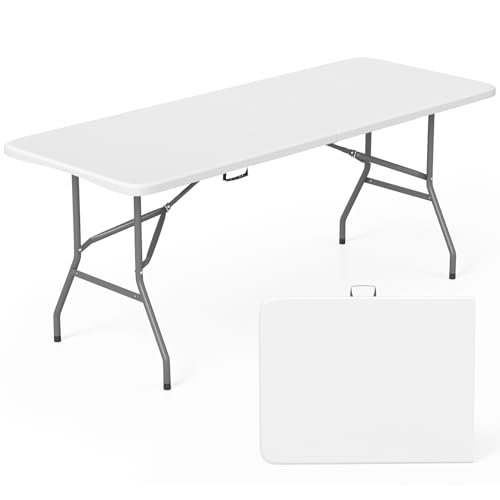
Ideal for camping, tailgating, or occasional patio use. Folding plastic tables collapse flat for storage and often feature integrated handles. The folding patio table with umbrella hole is a popular choice for flexible outdoor setups.
Picnic-Style Tables
Integrated bench-and-table designs that seat multiple people. Plastic picnic tables are virtually maintenance-free and work well in parks, yards, and communal outdoor spaces. See our plastic picnic table guide for buying considerations.
Side & Accent Tables
Small plastic side tables complement larger dining sets and provide convenient surfaces for drinks, books, or small serving items. Pair them with a patio side table arrangement that fits your seating layout.
Removable-Leg Tables
Some plastic outdoor tables feature detachable legs for compact storage and transport. The plastic outdoor table with removable legs option is worth considering if you frequently rearrange or store your furniture.
Wood-Look Plastic Tables
Advanced manufacturing can replicate the appearance of wood grain while retaining plastic's weather resistance. The plastic outdoor furniture that looks like wood category has grown significantly as design quality improves.
Cleaning & Maintaining Your Plastic Outdoor Table
One of the strongest arguments for plastic outdoor furniture is its low maintenance requirement. Still, a few simple habits will keep your table looking its best for years.
Routine Cleaning
Wipe the tabletop with a damp cloth and mild dish soap after meals. Rinse with clean water and dry with a soft towel to prevent water spots. For textured or slatted surfaces, a soft-bristle brush helps dislodge debris from crevices.
Deep Cleaning
Once or twice per season, wash the entire table — legs included — with a solution of mild detergent and water. Avoid abrasive cleaners, steel wool, and solvents, which can scratch or dull the surface. A diluted vinegar solution works well for stubborn mineral deposits.
Stain Removal
Food stains, sunscreen residue, and bird droppings should be addressed promptly. Most stains lift with a paste of baking soda and water. For oil-based stains, a degreasing dish soap applied directly to the spot is effective. Avoid chlorine bleach on colored plastic, as it may cause fading.
Winter Care
In regions with freezing winters, clean and dry the table thoroughly before storage. If leaving it outdoors, cover it with a breathable furniture cover to prevent moisture accumulation. Bring entry-level plastic tables indoors during extreme cold to prevent brittleness.
Protecting the Finish
While plastic doesn't require sealing, applying a UV-protectant spray once per year can extend the life of colored finishes. Keep the table out of prolonged direct sun when not in use — an umbrella or shade structure helps preserve the surface.
What to Avoid
Never place hot cookware directly on a plastic tabletop — use trivets or heat pads. Avoid dragging the table across rough surfaces, which can scratch the legs. Do not use pressure washers on high settings, as they can damage the material.
Common Mistakes to Avoid When Buying
Choosing Based on Appearance Alone
A table that looks attractive in photos may use thin plastic or lack UV stabilization. Always check material specifications and read owner feedback about long-term durability, especially after a full year of outdoor exposure.
Ignoring Weight Capacity
Plastic tables vary widely in load-bearing capability. If you plan to place heavy serving dishes, coolers, or equipment on the table, verify the manufacturer's weight rating. Mid-range and premium tables typically offer higher capacities.
Overlooking Wind Exposure
Lightweight plastic tables can tip or blow over in strong winds. If your patio is exposed, choose a heavier table or one with the option to anchor it. Adding sand or water to hollow table legs is a common stabilization technique for some models.
Forgetting About Umbrella Fit
Buying a table with a 1.5-inch hole when your umbrella has a 2-inch pole — or vice versa — is a frustrating oversight. Measure your umbrella pole diameter before purchasing a table. A table with a 2-inch umbrella hole is a common standard to look for.
Neglecting Clearance Space
Even the most durable table is unusable if it's crammed into a space with no room for chairs to pull out. Always measure your patio and map out chair placement before finalizing the table dimensions.
Choosing the Wrong Surface Finish
Smooth glossy finishes show scratches and water spots more readily than textured matte finishes. For households with children or frequent entertaining, a textured surface hides wear better and provides more grip for tableware.
Pairing Your Plastic Outdoor Table with Other Furniture
A plastic table works best when integrated into a cohesive outdoor setup. Consider these complementary pieces:
Seating
Match your table with plastic outdoor chairs for a uniform, low-maintenance look. Alternatively, plastic Adirondack chairs create a relaxed, casual atmosphere around a larger table. For mixed materials, wicker or metal chairs can add visual variety while keeping plastic's durability as the anchor.
Shade
Add a wind-resistant patio umbrella or a freestanding shade sail. If your table lacks an umbrella hole, a cantilever umbrella provides shade without requiring a center pole.
Storage & Accessories
Keep the surrounding area organized with a plastic outdoor storage box for cushions, table linens, and grill tools. A table cover protects the surface when not in use.
Dining Accessories
A lazy Susan or condiment caddy keeps the tabletop organized during meals. If your table has an umbrella, a lazy Susan designed for umbrella tables adds functionality without obstructing the pole.
Ready to Find Your Perfect Plastic Outdoor Table?
Browse our curated selection of recommended plastic outdoor tables across every tier — from essential folding models to premium weather-proof dining sets.
VIEW RECOMMENDED TABLES