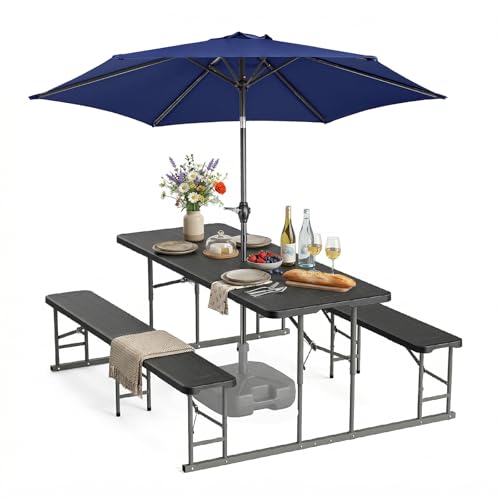
Plastic Folding Patio Table with Umbrella Hole: The Complete Buying Guide
Everything you need to know about choosing a portable, weather-resistant outdoor table that accommodates shade — from construction details to practical use cases.
Quick summary: A plastic folding patio table with an umbrella hole combines three qualities that outdoor owners value most — portability, weather resistance, and the ability to add shade. This guide explains how these tables are built, what separates entry-level from premium models, and which features matter most for balconies, decks, patios, and camping setups.
What Makes a Plastic Folding Patio Table with Umbrella Hole Different
Outdoor tables come in many forms, but the plastic folding version with an umbrella hole occupies a specific niche. It is designed to be set up quickly, moved without effort, and stored flat when the season ends. The umbrella hole is the defining feature: it allows you to insert a patio umbrella through the center of the tabletop so shade is anchored where people actually sit, rather than standing on a separate base nearby.
Unlike fixed wooden or metal tables, this category is built around convenience. The tabletop is typically molded from high-density polyethylene (HDPE) or resin, which resists moisture, UV fading, and the general wear that comes from being left outside. The folding mechanism — usually a simple hinge and locking brace — lets one person open or collapse the table in seconds. For renters, apartment dwellers, campers, and anyone who reconfigures their outdoor space frequently, that combination is hard to beat.
It also pairs naturally with related outdoor essentials. If you want matching shade, browse patio umbrellas to find a canopy that fits a standard table hole. If you prefer a wider seating arrangement, a patio table with umbrella hole guide can help you compare size classes. And if portability is the priority above all else, a plastic outdoor table overview covers the broader category this product belongs to.
How These Tables Are Constructed
Understanding construction helps you judge durability before you buy. Most plastic folding patio tables share a similar architecture, but the quality of each component varies significantly across market tiers.
- Tabletop material: HDPE is the most common choice because it is UV-stabilized and does not absorb water. Entry-level models may use thinner resin that flexes under load; premium models use thicker, reinforced plastic with a textured surface that resists scratching.
- Frame: Even "plastic" tables usually rely on a metal frame — powder-coated steel or aluminum — underneath the top. High-grade steel with a rust-proof finish is a hallmark of durable construction. Aluminum is lighter but can feel less rigid.
- Folding mechanism: Look for locking braces, reinforced hinges, and a latch that keeps the table flat when open. The smoothest mechanisms are found on mid-range and premium models.
- Umbrella hole: The hole is typically 1.5 to 2 inches in diameter. A reinforced ring around the opening prevents cracking over time. Some tables include a plug so the hole can be closed when no umbrella is in use.
- Leg design: Powder-coated legs with non-slip feet protect decking and improve stability. Cross-bracing at the base is a good sign of a solid build.
Weather Resistance
UV-stabilized resin and rust-proof coatings let the table stay outside through rain and sun without fading or warping.
Portability
Folding legs and a lightweight frame mean one person can move and store the table without tools.
Shade Integration
The built-in umbrella hole keeps a canopy centered over the seating area instead of off to the side.
Low Maintenance
Wipe-clean surfaces resist stains and require no sealing, painting, or seasonal treatment.
Quality Tiers: What to Expect at Each Level
This category spans from lightweight camping tables to commercial-grade folding tables used in cafés and event spaces. To compare products without relying on numeric figures, use the tier descriptors below. They describe relative position in the market and typical construction quality.
| Tier | Typical Construction | Best For |
|---|---|---|
| Entry-level | Thinner resin top, lighter steel frame, basic hinge | Occasional use, balconies, camping, temporary seating |
| Mid-range | Thicker HDPE top, reinforced frame, locking braces, smooth hinge | Regular backyard use, small patios, everyday family dining |
| Premium | High-density resin, heavy-duty steel or aluminum frame, reinforced umbrella ring, textured surface | Frequent use, sunny decks, households that leave furniture outside |
| Commercial-grade | Solid build, reinforced joints, tested load capacity, commercial warranty | Cafés, rental properties, event venues, high-traffic areas |
As a rule, mid-range models usually offer a noticeably smoother folding mechanism and a stiffer tabletop than entry-level options, while premium and commercial-grade tables add reinforcement where stress concentrates — around the umbrella hole, hinges, and leg joints. For most homeowners, the mid-range tier provides a balanced combination of durability and portability.
Key Features to Evaluate Before You Buy
When you compare specific products, focus on the details that affect daily use rather than surface appearance.
- Umbrella hole diameter and reinforcement: Confirm the hole size matches your umbrella pole. A reinforced collar around the opening prevents the plastic from cracking when the canopy moves in wind.
- Tabletop thickness and texture: A slightly textured surface hides scratches and reduces glare. Thin tops flex under heavy plates and glasses.
- Frame material and finish: High-grade steel with a rust-proof finish is the most reliable choice for year-round outdoor exposure. Check that the finish covers joints and welds, not just the visible surfaces.
- Folding mechanism: A locking brace should hold the table firmly open and release with a single motion. Hinges that feel loose on the first day will only loosen further.
- Weight and folded profile: For storage in a closet or car trunk, folded thickness matters as much as overall weight. Measure your storage space before choosing.
- Stability: Legs with non-slip feet and cross-bracing resist wobble on uneven surfaces — important on decks, gravel, and grass.
- Size: Tables range from compact two-person squares to larger rectangular models that seat six. Match the size to your space; a table that is too large defeats the purpose of a portable setup.
Practical tip: Even with a reinforced umbrella hole, a folding table is not a substitute for an umbrella base. For larger canopies, use a weighted base or a stand designed for your pole diameter — see patio umbrella bases for options that keep the canopy stable in gusts.
Where a Folding Plastic Table with Umbrella Hole Works Best
This table type shines in settings where flexibility matters more than permanence.
- Small patios and balconies: A compact folding table with an umbrella hole turns a narrow outdoor space into a shaded dining spot, then folds away to free up room. For more space-saving ideas, see small patio design.
- Decks: The lightweight frame and non-slip feet make it easy to reposition without scratching deck boards. Pair it with a patio side table with hole for umbrella to extend shade coverage.
- Camping and tailgating: The folding format packs flat and sets up fast, while the umbrella hole adds shade on open ground.
- Rentals and temporary homes: No installation, no anchoring, and no damage to the property.
- Everyday family dining: A mid-range model handles breakfast, lunch, and casual dinners outdoors without the upkeep of wood or metal furniture. If you want matching chairs, explore plastic outdoor chairs for a coordinated set.
If you are furnishing a larger area and want a permanent centerpiece, a full patio table and chair set may suit you better. But for anyone who values adaptability, a folding plastic table is the more practical starting point.
Care and Maintenance
One of the strongest arguments for plastic folding tables is how little attention they need. Still, a few habits extend service life considerably:
- Wipe the tabletop with mild soap and water after meals; avoid abrasive pads that dull the surface.
- Inspect the umbrella hole collar periodically for hairline cracks, especially if the umbrella stays in place through windy seasons.
- Wipe the metal frame dry after heavy rain to preserve the coating, even on rust-proof finishes.
- Store folded when the table will not be used for extended periods; this protects hinges and reduces UV exposure.
- Use a cover or bring the table indoors during extreme weather if the manufacturer recommends it.
For broader seasonal care guidance, see our outdoor care section.
Frequently Asked Questions
What size umbrella fits a plastic folding patio table with an umbrella hole?
Most tables accept poles between 1.5 and 2 inches in diameter. Match the canopy size to the table: a compact table is best paired with a smaller canopy, while a larger rectangular table can support a wider umbrella. Always confirm the hole diameter before buying an umbrella.
Can the table stay outside all year?
UV-stabilized plastic and rust-proof frames are designed for outdoor exposure, but long-term durability depends on the tier. Premium and commercial-grade tables handle year-round exposure best; entry-level models benefit from seasonal storage.
How much weight can a folding plastic table hold?
Load capacity varies by tier and construction. Mid-range and premium models generally support full place settings and serving dishes comfortably. Check the manufacturer's stated capacity rather than assuming, especially for commercial use.
Does the umbrella need a separate base?
Yes. The hole centers the umbrella but does not anchor it. Use a base or stand appropriate for your canopy size — especially in exposed areas — to prevent tipping.
Is a plastic folding table stable on grass or gravel?
Models with cross-bracing and non-slip feet are reasonably stable on firm, level ground. On soft or uneven surfaces, place a flat board or mat under the legs to distribute weight.
Final Thoughts
A plastic folding patio table with an umbrella hole is one of the most practical outdoor purchases you can make. It delivers shade where you need it, stores flat when you do not, and shrugs off weather that would damage wood or bare metal. Focus your comparison on frame quality, the reinforced umbrella opening, and the folding mechanism — those three details separate a table that lasts from one that disappoints. Choose the tier that matches how often you will use it, and pair it with an umbrella and base sized for your space.