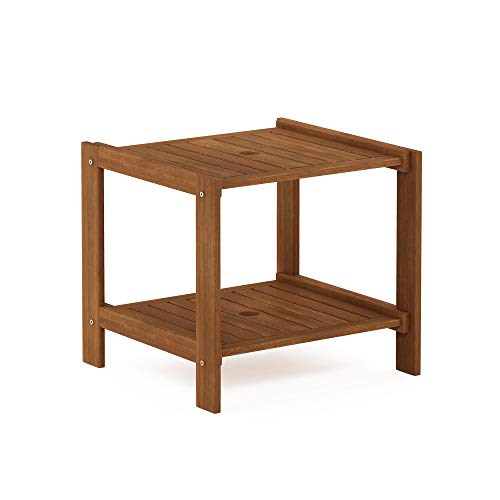
Patio Side Table with Umbrella Hole: The Complete Buying Guide
Everything you need to know about choosing a side table that secures your umbrella, holds your essentials, and elevates your outdoor living space.
Why a Side Table with an Umbrella Hole Matters: A dedicated patio side table with an umbrella hole solves one of the most common outdoor frustrations — where to anchor your umbrella without sacrificing surface space. Unlike a standard patio side table, a version with a built-in hole gives your umbrella a stable, central base while keeping drinks, snacks, and reading materials within arm's reach. This guide walks you through every consideration so you can pick the right model for your deck, balcony, or poolside setup with confidence.
What Is a Patio Side Table with an Umbrella Hole?
A patio side table with an umbrella hole is a compact outdoor table featuring a pre-drilled opening — typically between 1.5 and 2 inches in diameter — that accommodates the pole of a patio umbrella. This design lets the umbrella pass directly through the tabletop, allowing the table itself to act as a stabilizing surface while the umbrella base sits underneath or is anchored separately.
These tables are especially useful in smaller outdoor areas where a full dining set with a central umbrella isn't practical. They pair naturally with lounge chairs, sectionals, and bistro seating, and they eliminate the need for a separate umbrella stand cluttering your walkway.
Most models fall into three broad tiers: entry-level designs made from lightweight resin or thin steel, mid-range options with powder-coated aluminum frames and weather-resistant finishes, and premium tables built from solid teak, cast aluminum, or high-grade composite materials designed for long-term exposure.
Key Features to Evaluate Before You Buy
Umbrella Hole Diameter
Verify the opening size matches your umbrella pole. Standard poles are 1.5 inches, while heavier models use 2-inch poles. A patio table with a 2-inch umbrella hole suits larger, wind-rated umbrellas.
Frame Material
Powder-coated aluminum resists rust and stays lightweight. Steel offers solid build but requires care in humid climates. Resin and plastic are maintenance-free but may fade over time.
Tabletop Surface
Slatted tops drain rainwater efficiently. Solid surfaces are easier to wipe clean. Glass tops look elegant but need scratch protection and careful handling in windy spots.
Weight and Stability
A heavier table stays put on breezy days. If your table is lightweight, pair it with a weighted patio umbrella base to prevent tipping.
Height Compatibility
Match the table height to your seating. Standard side tables sit around 20–24 inches, ideal beside lounge chairs. Bistro-height tables pair with taller chairs.
Weather Resistance
Look for UV-resistant finishes and rust-proof hardware. Tables rated for full outdoor exposure will hold up far longer than indoor-only designs.
Material Comparison: Which Table Holds Up Best?
Your choice of material directly affects how the table performs through sun, rain, and seasonal changes. Here's a practical breakdown:
| Material | Best For | Durability Tier | Maintenance |
|---|---|---|---|
| Powder-Coated Aluminum | Balconies, coastal areas, everyday use | Mid-range to premium | Wipe clean; rust-resistant |
| Solid Teak or Acacia | Natural aesthetics, long-term patios | Premium to luxury | Occasional oiling; weathers gracefully |
| Cast Aluminum | Windy locations, heavy umbrellas | High-end tier | Minimal; won't rust |
| Resin / Plastic | Casual use, quick setups | Entry-level to mid-range | Soap and water; may fade over years |
| Steel with Powder Coating | Structured, modern designs | Mid-tier | Check for chips; touch up to prevent rust |
A common mistake is choosing a lightweight resin table for a heavy umbrella. The table may hold the pole, but without sufficient mass, gusts can shift the entire setup. Mid-range aluminum and premium cast aluminum models generally offer the best balance of stability and weather resistance.
Sizing and Placement: Getting the Fit Right
Side tables are intentionally compact, but "compact" varies. Typical footprints range from 16 to 24 inches in diameter for round models, or roughly 18 × 18 inches for square versions. Before choosing, measure the gap between your seating and the nearest wall or railing.
- Lounge chair pairing: A table 18–20 inches tall places drinks at a comfortable reach.
- Sofa or sectional pairing: Look for tables 20–24 inches tall to sit level with the seat cushion.
- Umbrella clearance: Confirm the hole is centered so the umbrella canopy does not lean over seating.
- Base placement: Some tables require a base beneath the tabletop; others use a cross-base that sits on the ground. Check which style fits your patio surface.
If you're working with a small deck, a side table with an umbrella hole can replace both a separate table and a freestanding umbrella stand, freeing up valuable floor space. For larger setups, consider how this table complements your existing patio table and chairs arrangement.
Stability and Wind Resistance: Don't Skip This
An umbrella acts like a sail. When it's mounted through a side table, the table becomes part of the anchoring system. Two factors matter most:
- Table weight: Heavier tables resist tipping. Cast aluminum and solid wood models typically outperform hollow resin designs.
- Base compatibility: Most side tables with umbrella holes are designed to work with a separate weighted base. If your table is on the lighter side, invest in a heavy-duty patio umbrella base rated for wind exposure.
On open decks or rooftops, consider a table with a wider footprint or one that allows sand or water weighting. Avoid placing an umbrella-equipped table in a spot where it receives direct crosswinds from an open corner or stairwell.
Matching Your Patio Style
A side table is a small piece, but it contributes to the overall visual rhythm of your outdoor space. Consider these pairings:
- Modern and minimalist: Sleek aluminum or matte black frames with slatted tops.
- Coastal: White or sand-toned resin and aluminum with slatted surfaces.
- Rustic and farmhouse: Weathered wood or wood-look finishes with visible grain.
- Bohemian: Wicker or rattan accents, though check that the umbrella hole is reinforced.
If you're building a cohesive look, review broader patio styles before committing to a material and color palette. A side table that clashes with your main furniture can disrupt an otherwise polished setup.
Common Mistakes to Avoid
- Ignoring pole diameter: Buying a table with a 1.5-inch hole when your umbrella uses a 2-inch pole means a return trip.
- Underestimating wind: A lightweight table with a large umbrella is a tipping hazard. Match table mass to umbrella size.
- Skipping the base: The hole alone does not anchor the umbrella. A proper base is essential.
- Overlooking drainage: Slatted tops drain better than solid surfaces; standing water accelerates wear.
- Choosing indoor materials: MDF or untreated wood will swell and warp outdoors within a season.
For a broader look at umbrella-compatible furniture, explore the full range of patio tables with umbrella holes to compare sizes and configurations.
Keeping Your Table in Shape
Routine care extends the life of any outdoor table. Wipe down surfaces monthly with mild soap and water. Inspect powder-coated frames for chips, and touch up bare spots to prevent corrosion. Wood tables benefit from an annual sealant or oil application depending on the species. During off-season months, store or cover the table to protect it from prolonged moisture and UV exposure.
If you're outfitting a shaded seating area, pair your side table with a patio shade solution that works with your umbrella's pole and base configuration.
Frequently Asked Questions
Ready to Upgrade Your Outdoor Space?
Browse our curated selection of patio side tables with umbrella holes and find the right fit for your deck, balcony, or poolside retreat.
Explore Options