
Heavy Duty Patio Umbrellas: The Complete Buying Guide
Everything you need to choose a wind-resistant, long-lasting umbrella that keeps your outdoor space shaded season after season.
EXPLORE TOP PICKSWhat Makes a Patio Umbrella Heavy Duty?
A heavy duty patio umbrella is engineered around three core systems: the frame, the canopy, and the base. When all three are reinforced, the umbrella resists wind, UV damage, and everyday wear far better than entry-level models. If any single component is weak, the whole umbrella becomes vulnerable.
1. The Frame and Ribs
The frame is the skeleton of the umbrella, and it takes the brunt of wind force. Heavy duty models typically use thick aluminum or high-grade steel ribs, often with a powder-coated or rust-proof finish. Aluminum is lighter and resists corrosion, while steel offers greater rigidity. Look for reinforced joints, fiberglass or aluminum ribs rather than thin plastic, and a hub that distributes tension evenly. A solid build here is the single most important factor in wind resistance.
2. The Canopy Fabric
Canopy material determines how well the umbrella handles sun, rain, and fading. High-grade solution-dyed acrylic or premium polyester with a UV-resistant coating is standard on top-tier and commercial-grade umbrellas. These fabrics hold color longer and resist mildew. A wind vent at the top allows gusts to pass through rather than catching the canopy like a sail, which dramatically reduces tipping and frame stress.
3. The Base and Anchoring
Even the strongest frame is useless without proper anchoring. Heavy duty umbrellas require weighted bases rated for the canopy size, and cantilever models often need substantially heavier bases than center-pole market umbrellas. If your umbrella will sit on a deck or patio, a base filled with water or sand is common; for permanent installations, bolted or in-ground mounts offer the highest stability. Pair your umbrella with a compatible patio umbrella base to keep it steady in gusty conditions.
Types of Heavy Duty Patio Umbrellas
Heavy duty umbrellas come in several configurations, each suited to different spaces and table setups. Understanding the trade-offs helps you choose the right one for your patio.
| Type | Best For | Key Strength | Considerations |
|---|---|---|---|
| Market Umbrella | Dining tables with a center hole | Classic look, wide availability, easy to pair with tables | Requires a sturdy base or table anchor; pole occupies center space |
| Cantilever (Offset) | Lounge areas, large seating zones, tables without holes | No center pole, covers more space, adjustable positioning | Needs a very heavy base; higher-tier investment |
| Commercial-Grade | High-wind areas, hospitality settings, heavy daily use | Maximum durability, reinforced frame, premium canopy | Heavier and more substantial; best for permanent setups |
| Wind-Resistant Specialty | Exposed decks, coastal patios, gusty regions | Vent systems, flexible ribs, aerodynamic canopy design | Specialty features may limit style choices |
If your table already has a center hole, a market umbrella is the natural fit—just confirm the pole diameter matches your table's opening. For tables without a hole or for lounge seating, a cantilever umbrella offers more flexibility. Homeowners in consistently windy locations should prioritize a patio umbrella that won't blow over, which often means a cantilever or commercial-grade model with a heavy base and wind vent.
Key Features to Evaluate Before Buying
When comparing heavy duty umbrellas, focus on these specifications. They separate true heavy duty construction from marketing claims.
- Wind vent: A top vent or double-vent canopy lets air escape, reducing lift and frame stress. This is essential for any umbrella exposed to gusts.
- Rib count and thickness: More ribs (typically 6 to 8) and thicker rib profiles distribute tension better. Fiberglass ribs flex rather than snap; aluminum ribs are light and corrosion-resistant.
- Fabric weight and rating: Premium solution-dyed acrylic canopies are the gold standard for fade and mildew resistance. Check for UV protection ratings and water-repellent finishes.
- Pole diameter: Thicker poles (1.5 inches and above) resist bending. Confirm the pole fits your table hole or base receiver.
- Crank and tilt mechanism: A smooth, metal-geared crank lasts longer than plastic. Tilt functions add flexibility for changing sun angles.
- Base compatibility: Match the base to the umbrella size and type. A patio umbrella base for a 2-inch pole is a common requirement for larger market umbrellas, while cantilever models may need weighted plates or in-ground mounts.
- Warranty and replacement parts: A strong warranty signals manufacturer confidence. Check whether canopies and ribs are replaceable.
Quick Tip: Match Umbrella Size to Table Size
A 9-foot umbrella generally shades a table that seats four to six people. For larger dining sets—such as a patio table and 6 chairs with umbrella—consider a 10- or 11-foot canopy, or a cantilever model that extends coverage without a center pole. If you're setting up a smaller bistro area, a compact heavy duty umbrella may be all you need.
Materials and Durability: What Lasts
Durability in heavy duty umbrellas comes down to material quality and construction. Here's how the main options compare.
Aluminum frames are lightweight, rust-resistant, and common in mid-range and premium umbrellas. They handle coastal humidity well but can bend under extreme force if the rib gauge is thin. Steel frames are heavier and more rigid, often found in commercial-grade models, but require a rust-proof finish to survive wet climates. Fiberglass ribs are prized for their flexibility—they flex in wind and return to shape, reducing breakage. Many top-tier umbrellas combine an aluminum frame with fiberglass ribs for the best balance of weight and resilience.
For canopy fabric, solution-dyed acrylic is the most durable choice for sun exposure, holding color and resisting mildew. Premium polyester with UV coatings is a solid mid-tier option. Entry-level canopies may fade faster and tear under stress, which is why they are best suited to sheltered locations.
If your patio is exposed to strong sun or coastal weather, invest in a model with a high-grade canopy and a reinforced frame. Pair it with a protective cover during off-season months to extend its lifespan—our rectangular patio table cover with umbrella hole guide explains how to protect both table and umbrella together.
Wind Resistance and Safety Essentials
Wind is the number one enemy of patio umbrellas. Even heavy duty models can fail if used improperly. Follow these safety practices to protect your umbrella and your guests.
- Close the umbrella during high winds. No umbrella is designed to stay open in a storm. Closing it prevents canopy tearing and frame bending.
- Use a properly rated base. A base that is too light for the canopy size is the most common cause of tipping. Cantilever umbrellas, in particular, need substantial weighted bases.
- Anchor to a stable surface. If possible, bolt the base to a patio or use an in-ground mount for maximum stability.
- Choose a wind vent canopy. Vents reduce lift and allow gusts to pass through, lowering stress on the frame.
- Inspect hardware regularly. Tighten bolts, check ribs for cracks, and replace worn parts before they fail.
If you're setting up a complete shade solution, consider how your umbrella integrates with the rest of your patio. A patio side table with hole for umbrella keeps drinks and essentials close while the umbrella anchors through the table. For larger dining setups, a patio table with umbrella hole provides a stable center anchor and a natural focal point.
Understanding Umbrella Tiers: Entry-Level to Commercial-Grade
Heavy duty umbrellas span several market tiers. Rather than focusing on numbers, compare what each tier typically delivers in construction and longevity.
| Tier | Typical Construction | Best For | Longevity Outlook |
|---|---|---|---|
| Entry-Level | Thinner aluminum or steel frame, basic polyester canopy, fewer ribs | Sheltered patios, occasional use, small tables | Shorter lifespan; may need replacement sooner in windy areas |
| Mid-Range | Reinforced aluminum frame, solution-dyed acrylic or premium polyester, wind vent | Most residential patios, family dining areas | Solid multi-season performance with proper care |
| Premium | Thick aluminum or steel frame, fiberglass ribs, high-grade canopy, metal crank | Exposed decks, coastal homes, daily use | Long-term investment with replaceable parts |
| Commercial-Grade | Heavy steel or reinforced aluminum, commercial canopy fabric, welded joints | Hospitality settings, high-wind regions, permanent installations | Maximum durability; professional-grade longevity |
Mid-range models usually offer the best balance for residential use, delivering a smoother crank mechanism and better fabric than entry-level options. Premium and commercial-grade umbrellas are worthwhile investments for homeowners in exposed or windy locations where lesser models would fail quickly.
Matching Your Umbrella to Your Patio Setup
The right heavy duty umbrella depends on your existing furniture and space. Here are common scenarios and what to prioritize.
Dining table with umbrella hole: Choose a market umbrella sized to your table. Confirm the pole diameter fits the hole—many tables accept a 1.5- to 2-inch pole. Pair it with a weighted base for stability. If your table seats six, an umbrella sized for a patio table and 6 chairs provides balanced coverage.
Lounge or seating area without a table: A cantilever umbrella is the better choice, as it extends shade without a center pole. Ensure the base is rated for the cantilever arm length. For a complete lounge setup, consider pairing it with a patio sofa set arranged around the shaded zone.
Small deck or balcony: Compact heavy duty umbrellas with a sturdy base work well in tight spaces. Look for models with a smaller canopy but the same reinforced frame and vent features. A patio side table can anchor the umbrella while keeping the footprint small.
Full outdoor living space: If you're designing a complete shaded retreat, combine your umbrella with complementary shade structures. Our patio shade guide covers umbrellas, pergolas, and awnings side by side, so you can plan coverage for dining, lounging, and cooking zones together.
Care and Maintenance for Long-Term Performance
Even the most durable umbrella benefits from routine care. A few simple habits keep the frame smooth and the canopy vibrant.
- Clean the canopy regularly. Mild soap and water remove dust and pollen. Avoid harsh chemicals that degrade UV coatings.
- Dry before storing. Moisture trapped in folds encourages mildew. Let the canopy air-dry fully before closing it for extended periods.
- Store during off-season. If your umbrella stays outside year-round, use a fitted cover. In harsh winters, bring it indoors or into a shed.
- Lubricate moving parts. A drop of silicone spray on the crank and tilt mechanism keeps operation smooth.
- Check the base seasonally. Refill water or sand bases as needed and inspect for cracks.
For a complete seasonal maintenance routine, our patio styles section includes care guidance for different materials and layouts, helping you keep every piece of your outdoor space in top condition.
Top Heavy Duty Patio Umbrellas & Shade Essentials
⚠️ AFFILIATE DISCLOSURE: This website contains affiliate links. As an Amazon Associate, we earn from qualifying purchases. If you make a purchase through these links, we may receive a small commission at no additional cost to you. Read our full affiliate policy.

Blissun 9' Outdoor Patio Umbrella, Outdoor Table Umbrella, Yard Umbrella, Market Umbrella with 8 Sturdy Ribs, Push Button Tilt and Crank (Tan)
Check price on Amazon
JEAREY 9FT Outdoor Patio Umbrella, Market Umbrella, Dark Blue | Outdoor Table Umbrellas with 8 Sturdy, Tilt & Crank UV Protection Waterproof for Garden, Deck, Backyard, Pool
Check price on Amazon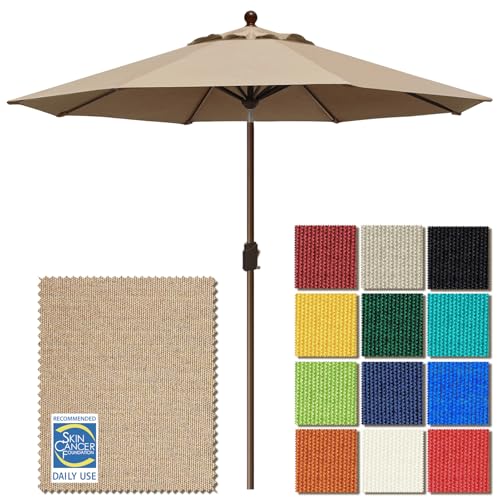
EliteShade USA 10-Year-Non-Fading 9Ft Market Patio Umbrella, UPF 50+ UV Protection Performance Sun Umbrella, Heavy Duty Commercial Grade Outdoor Table Umbrella with Crank & Tilt, Windproof Vented Top for Garden, Pool, Deck and Outdoor Playsets,Heather Beige
Check price on Amazon
PHI VILLA 10ft Outdoor Patio Umbrellas, 3 Tier Vented Table Umbrella, Navy | Auto-Tilt, 1.5" Pole, Triple Vented, 8 Sturdy Ribs, Windproof, UV Resistant, Reinforced Frame, for Deck, Lawn Poolside Garden
Check price on Amazon
HOTEEL Outdoor Patio Umbrella - 10ft Cantilever Umbrella for Patio | Heavy Duty Offset Umbrellas with Stand, 360 Rotation Double Top Large Table Umbrella on Clearance for Deck Pool Backyard
Check price on Amazon
Newport Outdoor 9ft Commercial Patio Umbrella, Aluminum Frame, Navy | Commercial-Grade Market Umbrella for Patio, Restaurant & Pool w/ 5-Year Fade-Resistant 260 GSM Canopy, Crank & Tilt
Check price on Amazon
PatioKingdom 9FT Patio Outdoor Umbrella-UPF 50+ Sun Shade with Wind Vent, Push-Button Tilt & Smooth Crank Lift, Rust-Resistant Fiberglass Frame for Garden, Backyard,Yard
Check price on Amazon
Best Choice Products 7.5ft Market Patio Umbrella, Navy Blue | Market Umbrella with 6 Sturdy Ribs, Push Button Tilt, Crank Lift, and UV Resistant Canopy for Backyard, Deck, Poolside
Check price on AmazonFrequently Asked Questions
-
What makes a patio umbrella heavy duty?
A heavy duty patio umbrella combines a reinforced frame (thick aluminum or steel ribs), a high-grade canopy fabric with strong UV and water resistance, a wind vent system, and a substantial base. These elements work together to resist tipping, fabric tearing, and frame bending in gusty conditions.
-
How do I keep a patio umbrella from blowing over?
Use a weighted base rated for your umbrella size, anchor it properly, close the umbrella during high winds, and choose a model with a wind vent and reinforced ribs. Cantilever umbrellas often require even heavier bases than market umbrellas. For more specific solutions, see our guide to a patio umbrella that won't blow over.
-
What size heavy duty umbrella do I need?
A 9-foot umbrella typically shades a 42- to 54-inch table with four to six chairs. For larger dining sets or lounge areas, consider 10- to 11-foot market umbrellas or a cantilever model that covers more space without a center pole.
-
Are heavy duty umbrellas worth the investment?
Yes, for homeowners in windy or sun-exposed areas. A premium or commercial-grade umbrella lasts many seasons with proper care, while entry-level models may need replacement sooner. The long-term efficiency and reduced hassle make it a worthwhile investment.
-
Can I use a heavy duty umbrella with any patio table?
Only if the table has a compatible umbrella hole and sufficient weight or a separate base. Tables without a hole can still use a cantilever umbrella positioned beside them. Always confirm pole diameter and base requirements before pairing an umbrella with a table.