
Cushion Guide: Choosing the Right Outdoor Patio Cushions
Everything you need to know about outdoor cushion foam, fabric, sizing, and care — so your patio seating stays comfortable and looks sharp season after season.
Start With FoamWhy this guide matters: Cushions are the single most-touched part of any patio set, yet they are often an afterthought at purchase time. The wrong foam flattens within a season, the wrong fabric mildews after one rainy week, and the wrong size leaves gaps that collect debris. This guide walks you through every decision — foam density, fabric treatment, thickness, fit, and maintenance — so you can buy once and enjoy your seating for years.
Foam Types: The Foundation of Comfort
Foam determines how a cushion feels on day one and how it feels three summers later. Outdoor cushions use four common foam families, each suited to a different role.
Polyurethane Foam
The most common outdoor cushion core. It is measured in density and ILD (indentation load deflection). Higher density resists compression over time; higher ILD means a firmer feel. For seat cushions, look for high-density polyurethane rather than the softer grades used in decorative throw pillows. A mid-range cushion typically uses a single-density core, while premium cushions layer a firmer base with a softer top layer.
Closed-Cell Foam
Closed-cell foam has sealed cells that prevent water from penetrating the core. It is the most water-resistant option and the best choice for uncovered patios or climates with frequent rain. It feels firmer than open-cell polyurethane, so it is often wrapped in polyester fiber to soften the surface.
Memory Foam Blends
Memory foam conforms to body shape and is popular in deep seating cushions. In outdoor use it must be blended with a firmer base foam, because pure memory foam softens in heat and does not recover well after compression. A memory-foam top layer over a high-density core is a balanced design found in many mid-tier and high-end cushions.
Polyester Fiber Fill
Loose fiber fill is used for back cushions and decorative pillows rather than seat bases. It offers a soft, sink-in feel but compresses permanently under body weight. Fiber-wrapped foam combines the softness of fiber with the support of a foam core and is the most common construction in quality outdoor seat cushions.
Quick rule: seat cushions need a foam core; back cushions can be fiber or fiber-wrapped foam. Never buy a seat cushion that is fiber-only — it will flatten within weeks.
Fabric and Treatment: What Keeps Cushions Alive Outdoors
Outdoor fabric must resist UV fading, water absorption, and mildew. The fabric label tells you more about longevity than any marketing claim.
Solution-Dyed Acrylic
The benchmark for outdoor upholstery. The color is infused into the fiber rather than applied to the surface, so it resists fading for years. It is soft to the touch and breathable. Premium cushions almost always use solution-dyed acrylic or a comparable high-performance fiber.
Polyester with UV Stabilizers
Common in entry-level and mid-range cushions. It is durable and quick-drying but fades faster than solution-dyed acrylic. Look for a stated UV resistance rating and a water-repellent finish.
Olefin
Solution-dyed olefin is highly water-resistant and mildew-resistant, making it a strong choice for humid climates. It has a slightly coarser hand than acrylic but performs well in wet conditions.
Canvas and Cotton Blends
Comfortable and breathable but not ideal for long-term outdoor exposure unless treated. Cotton absorbs water and supports mildew growth. Reserve untreated canvas for covered porches with minimal rain exposure.
Check the seams: look for double-stitched or reinforced seams with UV-resistant thread. Seam failure is one of the most common reasons cushions fail before the fabric does.
Sizing and Fit: Getting the Measurements Right
Replacement cushions only work if the dimensions match the frame. Generic size labels vary between manufacturers, so measure the frame, not the old cushion.
- Seat width: measure the widest point between the arms or frame uprights.
- Seat depth: measure from the front edge of the seat to the back frame.
- Seat thickness: measure the existing cushion at its center, not at the compressed edge.
- Back height: measure from the seat surface to the top of the backrest for back cushions.
Round to the nearest half inch and compare with the manufacturer's specification sheet. For deep seating, confirm whether the cushion is designed to sit on a flat platform or a sloped frame — the same nominal size can fit differently. If you are replacing cushions on a set with unusual dimensions, custom sizing is often the only reliable route.
Thickness matters: a 4-inch seat cushion feels dramatically different from a 6-inch one. Thicker cushions suit deep seating and lounging; thinner cushions suit dining chairs where seat height matters.
Cushion Quality Tiers: A Relative Comparison
Rather than thinking in absolute terms, compare cushions by tier. Each tier describes a position in the market and what you can reasonably expect from its construction.
Starter Tier
Single-density polyurethane foam, polyester fabric with UV stabilizers, basic sewn seams. Suitable for covered patios and occasional use. Expect a shorter service life and more frequent replacement.
Balanced Tier
High-density foam with a polyester fiber wrap, solution-dyed or high-performance fabric, reinforced seams. A solid choice for everyday use and the most common tier for family patios.
Top-Tier
Layered foam cores, closed-cell foam bases, solution-dyed acrylic fabric, UV-resistant thread, and detailed finishing. Built for uncovered exposure and long-term use; a worthwhile investment for high-use seating.
| Tier | Typical Foam Construction | Typical Fabric | Best For |
|---|---|---|---|
| Entry-Level | Single-density polyurethane | Polyester with UV stabilizers | Covered patios, seasonal use |
| Mid-Range | High-density foam with fiber wrap | Solution-dyed or high-performance fabric | Everyday family seating |
| Premium / Luxury | Layered foam, closed-cell base | Solution-dyed acrylic | Uncovered patios, high-use lounging |
Care and Maintenance That Extends Cushion Life
Even top-tier cushions degrade faster without basic care. A simple routine keeps foam resilient and fabric clean.
- Brush off debris weekly to prevent dirt from working into the weave.
- Clean spills immediately with mild soap and water; avoid harsh solvents that strip water-repellent finishes.
- Dry thoroughly before storing — trapped moisture is the leading cause of mildew.
- Rotate cushions periodically so wear is distributed evenly.
- Store in a breathable container during the off-season; sealed plastic traps humidity.
- Bring cushions inside during storms if your patio is uncovered.
For a deeper seasonal routine, our weatherproofing guide covers protective treatments and cover selection. If you need dedicated storage solutions, see our cushion storage guide.
When to Replace vs. Refresh
Not every worn cushion needs replacing. Fabric can often be cleaned and re-treated, and foam inserts can sometimes be replaced separately if the cover is intact. Replace the full cushion when the foam no longer recovers after compression, the fabric is cracked or torn at the seams, or mildew has penetrated the core. If only the cover is faded, a replacement cover is a reasonable refresh.
For custom sizing options when standard replacements do not fit, explore custom outdoor cushions and custom-made replacement cushions. If you are shopping for the seating itself, our cushioned outdoor chairs and deep seating patio furniture guides cover frame and cushion pairings.
Recommended Outdoor Cushions & Patio Seating
⚠️ AFFILIATE DISCLOSURE: This website contains affiliate links. As an Amazon Associate, we earn from qualifying purchases. If you make a purchase through these links, we may receive a small commission at no additional cost to you. Read our full affiliate policy.

MGPM32 Air Cushion Compact Guide Cylinder MGPM32-25AZ MGPM32-50AZ MGPM32-75AZ MGPM32-100AZ 125AZ 150AZ(MGPM32-100AZ)
Check price on Amazon
WHATAFIT Resistance Bands with Handles, Exercise Bands Set for Working Out | Resistance bands with door anchor, five 48-inch tubes, two cushioned handles, two ankle straps, carry bag and exercise guide
Check price on Amazon
Guide Gear Deluxe Tree Stand Seat Cushion Pad for Hunting Ground Hunt Gear Equipment Accessories, Camo RT APX
Check price on Amazon
UPHOLSTERY ENGINEERING: A guide to Covering Materials & Cushioning
Check price on Amazon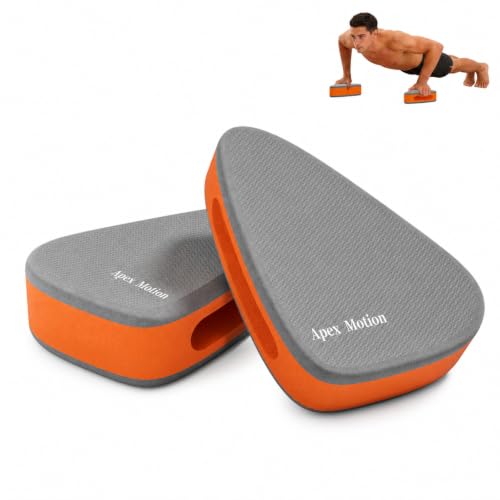
ApexMotion Push Up Handles for Floor, High-Density EVA Full-Palm Pads, Pair | Firm EVA cushioning with textured top and bottom, adjustable hand spacing, compact storage, and exercise guide included
Check price on Amazon
Guide Gear Tree Stand Replacement Seat Cushion; Pad for Hunting, Camo RT APX
Check price on Amazon
NGT new guide steps Yoga Bolster Pillow for Meditation and Support - Rectangular Yoga Cushion Foam Wedges Washable Suede Pillowcase for Men and Women with Carry Handles.(Green Soft fabric)
Check price on Amazon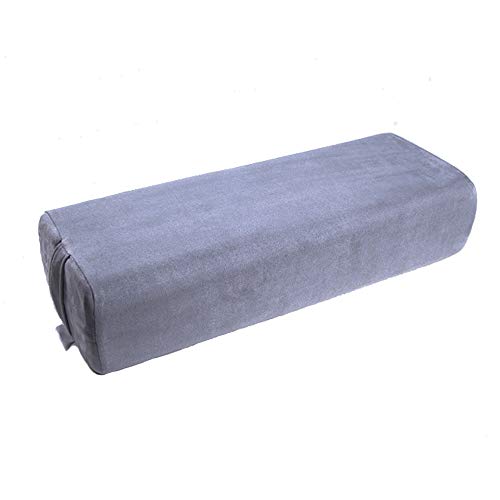
NGT new guide steps Yoga Bolster Pillow for Meditation and Support - Rectangular Yoga Cushion Foam Wedges Washable Suede Pillowcase for Men and Women with Carry Handles.(Grey Soft fabric)
Check price on AmazonFrequently Asked Questions
How do I know if my outdoor cushions need replacing?
Signs include flattened foam that no longer springs back, cracked or faded fabric, persistent mildew stains, torn seams, and visible sagging when you sit. If the foam compresses permanently after you stand up, the cushion has lost its support structure and should be replaced.
What is the best foam for outdoor seat cushions?
Closed-cell foam and high-density polyurethane wrapped with polyester fiber are the most reliable choices. Closed-cell foam resists water absorption entirely, while high-density polyurethane with a fiber wrap balances support and softness. Mid-range and premium cushions typically combine both.
Can I use indoor cushions on outdoor furniture?
It is not recommended. Indoor cushions lack UV stabilizers and water-resistant treatments, so they fade quickly, absorb moisture, and develop mildew. If you need a temporary solution, bring them inside after each use and never leave them out overnight.
How do I measure for replacement outdoor cushions?
Measure the seat width, depth, and thickness at the widest points, and measure the back height for back cushions. Use a flexible tape measure and round to the nearest half inch. Compare your measurements against the manufacturer's specification sheet rather than a generic size label.
How should I store outdoor cushions during the off-season?
Clean and fully dry the cushions first, then store them in a breathable container or fabric bag in a dry, ventilated space. Avoid sealed plastic bins that trap moisture, and keep the storage area free of pests. A dedicated deck box works well for in-season storage.