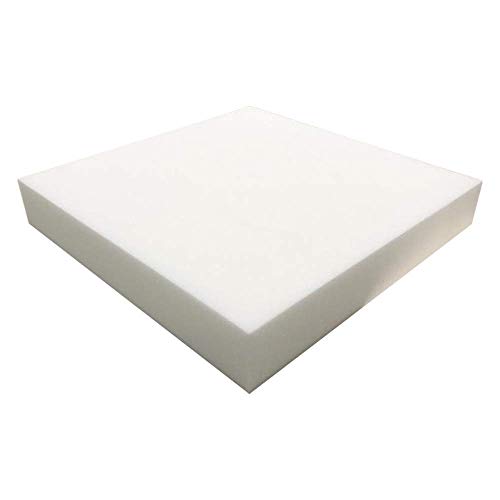
Custom Made Replacement Cushions for Outdoor Furniture
Restore comfort, refresh your style, and extend the life of your patio furniture with cushions built to your exact frame. This guide walks you through measuring, fabric choices, filling options, and ordering with confidence.
Why Custom Replacement Cushions Are Worth Considering
Outdoor furniture frames are built to last, but cushions are not. Sun exposure, rain, and daily use flatten foam and fade fabric long before the frame gives out. When that happens, most homeowners face two choices: replace the entire set or invest in custom made replacement cushions for outdoor furniture. The second option is almost always the smarter move.
Custom cushions solve a problem that off-the-shelf cushions cannot: fit. Standard cushions come in a handful of sizes, and a loose fit leads to sliding, bunching, and accelerated wear. A cushion cut to your frame's exact dimensions sits flush, looks intentional, and lasts longer because it does not shift under use. If your frame is still structurally sound, refreshing the cushions is one of the most efficient ways to modernize a patio without starting over.
This guide is written for homeowners in the research phase. You already know you need new cushions; what you need now is a clear, practical framework for getting the right ones. We will cover measurement, fabric performance, filling types, customization options, ordering workflow, and care. By the end, you should feel ready to place an order with confidence.
Signs It Is Time to Replace Your Outdoor Cushions
Cushions degrade gradually, so it can be easy to overlook the warning signs. Watch for these indicators:
- Compressed foam: If the seat no longer springs back after you stand up, the foam core has broken down. New filling restores support instantly.
- Fabric fading or thinning: Color loss and visible wear along seams mean the cover is nearing the end of its service life.
- Persistent mildew or odors: Once mold takes hold inside the foam, cleaning rarely solves the problem completely.
- Sliding or sagging: Cushions that no longer sit flat suggest either stretched covers or a size mismatch with the frame.
- Style fatigue: Sometimes the frame is fine and you simply want a fresh look. Custom cushions let you change the entire personality of a set.
If two or more of these apply, replacement is the practical path. For a broader overview of cushion types and construction, our outdoor cushion guide is a useful companion read.
How to Measure for Custom Made Replacement Cushions
Accurate measurements are the single most important factor in a successful custom order. Measure the furniture frame, not the old cushion, because worn cushions compress and stretch over time. Use a metal tape measure and record everything in inches or centimeters consistently.
Seat Cushions
- Width: Measure the widest point of the seat frame from left to right.
- Depth: Measure from the front edge of the seat to the backrest.
- Thickness: Decide on the desired loft. Common choices range from slim profiles for modern frames to thicker profiles for deep seating.
Back Cushions
- Height: Measure from the seat surface to the top of the backrest.
- Width: Measure the inside width between the frame arms.
- Shape: Note whether the back is straight, curved, or angled, since this affects pattern shape.
For deep seating frames, take particular care with depth. Our guide to deep seat cushions for outdoor furniture explains how depth affects comfort and how to choose the right loft. If your set uses a standard deep-seat footprint, the deep seat outdoor cushions 26 x 24 reference is a helpful sizing benchmark.
Write down every number and sketch a simple diagram of each cushion with dimensions labeled. Most custom makers will accept a diagram alongside your order form, and it reduces the risk of miscommunication.
Choosing the Right Fabric for Outdoor Replacement Cushions
Fabric determines how your cushions look and perform over time. Outdoor covers must handle UV exposure, moisture, and abrasion. Here is how the main categories compare:
| Fabric Category | Tier | Best For | Key Characteristics |
|---|---|---|---|
| Olefin | Entry-level | Covered porches, seasonal use | Moisture resistant, good colorfastness, lighter hand |
| Performance Polyester | Mid-range | Everyday patios with moderate sun | Soft feel, good UV resistance, easy to clean |
| Solution-Dyed Acrylic | Premium | Full-sun exposures, year-round use | Excellent fade resistance, mold resistant, color through the fiber |
| High-Performance Acrylic Blends | Top-tier | Demanding climates and commercial settings | Maximum durability, stain resistance, long color retention |
Solution-dyed acrylic is the standard recommendation for most outdoor applications because the color is locked into the fiber rather than applied to the surface. This makes it significantly more resistant to fading. Performance polyester is a solid mid-range choice that feels softer to the touch and works well under partial shade. Olefin is the entry-level option and performs reasonably well in covered areas.
Beyond fiber type, consider these practical points:
- Weight and hand: Heavier fabrics tend to drape better and resist wind lift.
- Color fastness rating: Ask the maker for the fabric's UV rating.
- Cleanability: Some fabrics accept bleach cleaning solutions; others do not.
- Pattern direction: Stripes and geometrics require extra yardage for pattern matching, which affects how the maker quotes the job.
Always request physical swatches before committing. Screen colors are unreliable, and seeing the fabric in your actual outdoor light is the only way to judge it properly.
Filling Options: Foam, Fiber, and Hybrid Cores
The filling determines how a cushion feels and how long it holds its shape. There are three main approaches:
High-Density Foam
This is the most common choice for seat cushions. Density is measured in pounds per cubic foot, and higher density means better support and longer life. Mid-range cushions typically use foam in the middle density range, while premium cushions use high-density cores that resist compression. Foam gives a firm, structured feel that works well for dining chairs and benches.
Polyester Fiber Fill
Fiber fill is soft and plush, which makes it popular for back cushions. It does not provide enough support for most seat applications on its own, but it is frequently used as a wrap around a foam core to add softness.
Hybrid Cores
Hybrid construction combines a foam core with a fiber wrap, or uses a foam core with a memory foam topper. This is the top-tier approach for deep seating because it delivers both support and a soft surface feel. Hybrid cores are heavier and require careful cover construction, but they offer the best comfort profile for lounging furniture.
If you are refreshing a full set, consider whether your deep seating cushions need a different filling than your dining chair seats. Dining cushions benefit from firm foam, while lounge cushions benefit from hybrid construction.
Customization Options Beyond Size
Custom made replacement cushions for outdoor furniture are not only about dimensions. Makers offer a range of construction choices that let you tailor the result to your needs:
- Edge profiles: Knife-edge, box-edge, and piped edges each create a different look. Piping adds structure and durability along the seams.
- Closure types: Zippered covers are removable for cleaning; sewn closures are more streamlined but harder to maintain.
- Ties and straps: Essential for windy locations and for chairs where cushions tend to slide.
- Non-slip backing: A grip layer on the underside reduces movement without visible straps.
- Contrast welting: A subtle way to add visual interest without changing the main fabric.
- Reversible construction: Doubles the usable life of the cushion since you can flip it.
If your frame is an unusual shape, such as a curved loveseat or a rounded chair, custom makers can create templates. Our page on custom outdoor cushions for patio furniture covers additional options for specialized frames. Vintage and wrought iron sets often need custom patterns because standard cushions simply do not align with their proportions; the cushions for vintage wrought iron outdoor furniture guide addresses those cases specifically.
The Custom Ordering Workflow, Step by Step
Ordering custom cushions is straightforward if you follow a clear sequence:
- Assess the frame. Check for rust, loose joints, or structural damage. There is no point investing in cushions for a frame that will not hold up. For materials guidance, see our notes on wood furniture care and metal vs aluminum.
- Measure and diagram. Record every dimension and sketch each cushion shape.
- Choose fabric. Request swatches and test them in your outdoor lighting.
- Select filling. Match the core type to how the furniture is used.
- Confirm construction details. Edges, closures, ties, and backing.
- Review the quote and lead time. Custom work takes longer than off-the-shelf ordering, so plan ahead of the season.
- Inspect on arrival. Check dimensions, seam quality, and zipper function before discarding packaging.
If you are ordering for a full set, batch the order so all cushions are cut from the same fabric dye lot. Color can vary slightly between production runs, and a single combined order eliminates that risk. If your set includes a mix of furniture types, the custom size cushions for outdoor furniture overview explains how to coordinate across different frames.
Caring for Custom Outdoor Cushions
Custom cushions are a long-term investment, and a small amount of routine care protects that investment:
- Brush off debris weekly. Dirt and pollen work into fabric fibers and accelerate wear.
- Clean spills promptly. Blot rather than rub, and use a mild soap solution appropriate for the fabric type.
- Dry thoroughly. Stand cushions on edge after rain so water drains and air circulates.
- Store off-season. Use a cushion storage solution that keeps cushions dry and ventilated. Our guide to cushion storage solutions covers options for different space constraints.
- Use covers. A custom outdoor cover for patio furniture protects cushions during storms and long absences.
When the season ends, proper winter protection matters as much as summer care. Our winter storage guide walks through the full process for frames and cushions alike.
Common Mistakes to Avoid
- Measuring the old cushion. Always measure the frame. Old cushions have compressed and stretched.
- Skipping swatches. Screen colors mislead; fabric in your light does not.
- Choosing fiber fill for seats. Fiber alone cannot support daily seating; use it only for backs or as a wrap.
- Ignoring wind exposure. If your patio is breezy, specify ties or a non-slip backing.
- Ordering in stages. Dye lots vary. Order the whole set at once.
- Waiting until the last minute. Custom production has lead times. Start the process well before the season begins.
Frequently Asked Questions
How do I measure for custom made replacement cushions for outdoor furniture?
Measure the seat frame width, depth, and the desired cushion thickness. For back cushions, measure height and width. Always measure the furniture frame rather than the old cushion, since worn cushions can stretch or compress over time.
What fabric is best for custom outdoor replacement cushions?
Solution-dyed acrylic and performance polyester are the most popular choices. They resist fading, mold, and moisture. Olefin is a solid entry-level option, while high-end acrylic blends offer the best long-term color retention.
Can I order custom size cushions for outdoor furniture that is no longer sold?
Yes. Custom makers build cushions to your exact dimensions, so discontinued or vintage frames can be refreshed. Measure carefully and request a fabric swatch before committing to a large order.
How long do custom outdoor cushions last?
With proper care, premium solution-dyed acrylic covers and high-density foam cores typically last several seasons. Storing cushions during off-season and using covers will extend their lifespan considerably.
Ready to Refresh Your Patio?
Custom made replacement cushions for outdoor furniture are the most effective way to restore comfort and update the look of a set that still has plenty of life left. Measure carefully, choose a fabric suited to your sun exposure, and match the filling to how you actually use the furniture. Do those three things well and your refreshed patio will feel new again.
Explore our recommended replacement cushion options below, or continue reading our outdoor cushion guide for deeper construction details.