Custom Outdoor Covers for Patio Furniture: The Complete Protection Guide
Discover how tailored covers shield your patio investment from sun, rain, and debris. Learn materials, fit strategies, and tier-by-tier recommendations before you choose.
Explore Buying FactorsWhy this guide matters: A well-fitted cover is one of the most cost-effective ways to extend the life of your outdoor furniture. This guide walks you through everything you need to know about custom covers — from fabric science to measurement tips — so you can make a confident, informed decision.
What Are Custom Outdoor Covers?
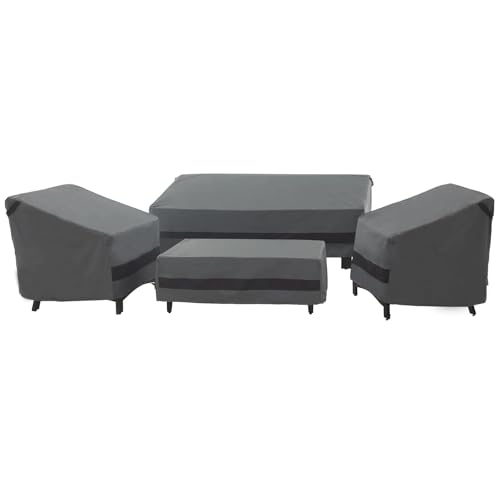
Custom outdoor covers are protective fabric shells made to the precise dimensions of your patio furniture. Unlike universal covers that come in generic sizes, custom covers are tailored to fit specific pieces — from a curved outdoor sofa to a deep seating patio set. This precision fit reduces exposed gaps, prevents water pooling, and keeps your furniture cleaner during off-season storage.
If you have irregular or oversized pieces, custom covers are often the only way to achieve full coverage. They are especially valuable for protecting upholstered cushions, wooden frames, and metal finishes that degrade under prolonged sun and moisture exposure.
Key Benefits of a Tailored Fit
Superior Weather Protection
A snug fit prevents wind-driven rain from reaching your furniture and stops debris from accumulating in gaps between the cover and frame.
Reduced Condensation Risk
Quality custom covers include breathable vents that allow moisture to escape, reducing the chance of mildew and musty odors.
Extended Furniture Lifespan
By blocking UV rays and moisture, custom covers slow the fading, cracking, and rusting that shorten the life of outdoor pieces.
Cleaner Off-Season Storage
Fitted covers keep dust, pollen, and pests out of cushions and frames during winter storage, so spring cleanup is faster.
Neater Outdoor Appearance
Custom covers look intentional and streamlined, improving the visual appeal of your patio even when furniture is not in use.
Better Fit for Odd Shapes
Curved sofas, chaise lounges, and dining sets with umbrella holes all benefit from covers designed to their exact contours.
Choosing the Right Cover Material
The fabric you choose determines how well your cover performs across seasons. Here is a comparison of common cover materials by tier and best use:
| Material | Tier | Best For | Key Characteristics |
|---|---|---|---|
| Polyester with PVC backing | Entry-level | Occasional rain and dust protection | Heavy-duty water resistance, solid build, less breathable |
| Polyester blend with vents | Mid-range | Everyday patio use in mixed climates | Good balance of breathability and water resistance |
| Solution-dyed acrylic | Premium | Sun-heavy regions and long-term outdoor exposure | Excellent UV resistance, breathable, colorfast |
| Marine-grade polyester | High-end tier | Coastal areas and harsh weather | Reinforced seams, rust-proof hardware, heavy-duty construction |
| Custom canvas (treated) | Luxury | Design-conscious buyers wanting tailored aesthetics | Premium materials, precise stitching, long-term investment |
Protection Tiers: Finding Your Match
Not every patio needs the same level of protection. Use these tiers to match cover capability to your environment and furniture type:
Essential Tier
Best for covered porches or mild climates. Offers basic dust and light-rain protection. A solid choice for seasonal use where furniture is already somewhat sheltered.
Balanced Tier
Suited to year-round patio exposure in temperate zones. Features breathable fabric and reinforced seams to handle regular sun and rain without trapping moisture.
Top-Tier
Engineered for harsh sun, heavy rain, or coastal salt air. Uses premium UV-resistant fabrics, rust-proof hardware, and vented designs for maximum longevity.
For a deeper look at how covers compare with other protective options, see our guide on covering patio furniture for winter. If you are specifically comparing canvas styles, custom canvas covers for outdoor furniture explains fabric trade-offs in detail.
How to Measure for a Custom Cover
Accurate measurements are the foundation of a good fit. Follow this checklist before ordering:
- Measure the length, width, and height at the widest points — including arms, backrests, and any protruding hardware.
- For dining sets, measure each chair and the table separately, or measure the combined footprint if you want a single set cover.
- Add a small allowance (typically a few inches) for air circulation, but avoid excessive slack that can cause water pooling.
- Note any umbrella holes or special features so the cover can be tailored accordingly.
- Take measurements twice and compare — small errors compound when ordering custom sizing.
If you are also considering new cushions to pair with your protected furniture, custom outdoor cushions for patio furniture covers sizing and fabric options that complement cover protection.
Custom Fit vs. Universal Fit: What to Know
Universal covers are widely available and simple to buy, but they often leave gaps at corners and edges. Custom covers eliminate those weak points by matching your furniture's exact silhouette. For large or unusually shaped pieces — such as a curved outdoor sofa or a deep seating patio furniture set — the difference in protection is substantial.
If your furniture collection includes varied pieces, custom covers can be ordered individually or as a coordinated set. This approach works well for households that want consistent protection across a patio dining set and separate lounge seating.
Cover Care and Maintenance
Even the best custom cover needs occasional care to stay effective. Brush off loose debris regularly, clean with mild soap and water, and allow the cover to dry fully before reinstalling. Inspect seams and fasteners at the start of each season for wear. Store covers loosely folded — not compressed — to prevent creases that can weaken the fabric over time.
Pairing covers with a cushion storage routine further protects upholstery. For broader weatherproofing strategies, our weatherproofing guide covers frames, fabrics, and hardware together.
Related reading: If you are furnishing a new patio from scratch, start with our covered outdoor furniture overview and our custom furniture guide to plan pieces that pair well with tailored covers.
Frequently Asked Questions
Are custom outdoor covers better than universal covers?
Custom covers are tailored to exact dimensions, reducing gaps where water and debris enter. Universal covers are convenient but may fit loosely, allowing moisture to pool. Custom covers generally provide superior protection for irregular or oversized pieces.
What material is best for patio furniture covers?
Solution-dyed acrylic and marine-grade polyester are top-tier choices for breathability and UV resistance. Polyester blends with PVC backing offer heavy-duty water resistance for entry-level and mid-range covers. The best choice depends on your climate and furniture type.
How do I measure furniture for a custom cover?
Measure length, width, and height at the widest points, including arms and backrests. Add a small allowance for air circulation. For sets, measure each piece individually or the combined footprint if you want a single cover.
Do custom covers work for winter storage?
Yes. Winter-grade custom covers feature reinforced seams, breathable vents, and heavier fabrics. Look for covers labeled for winter storage and ensure airflow to prevent condensation and mildew.