Covered Outdoor Furniture: The Complete Buying Guide
Everything you need to know about choosing covered patio chairs, loungers, swings, and full sets that thrive under a roof, pergola, or awning—materials, protection strategies, and layout advice for a sheltered outdoor retreat.
Start ExploringWhat Covered Outdoor Furniture Means
Covered outdoor furniture is designed for spaces that sit beneath an overhead structure—a solid porch roof, a pergola, a retractable awning, or a gazebo. These pieces are engineered with comfort and aesthetics in mind, leaning on the shelter above rather than demanding full weatherproofing from every component. That distinction shapes how you shop: you can prioritize plush upholstery, natural wood tones, and refined silhouettes that might not survive an exposed deck.
The category spans a wide range of pieces, from a single covered outdoor chair tucked into a reading corner to a full dining arrangement under a pergola. Understanding the spectrum helps you match each piece to its microclimate—shaded, breezy, humid, or sun-drenched—so your investment performs for years rather than one season.
Why Choose Covered Furniture for Your Patio
Sheltered outdoor spaces unlock design freedom that open decks cannot offer. Under a roof or awning, you can introduce fabrics, finishes, and forms usually reserved for indoor living rooms. The practical benefits are just as compelling:
- Extended lifespan: Reduced direct rain and UV exposure slows fading, rust, and rot.
- Greater comfort: Cushions stay drier and cleaner, so you spend less time wiping down seats before use.
- Design versatility: Natural teak, woven wicker, and tailored upholstery all perform well under cover.
- Year-round usability: A covered patio extends your outdoor season into shoulder months and mild winters.
- Lower maintenance: Fewer cleanings and less frequent replacement of cushions and covers.
If your space is partially exposed, a hybrid approach works well: place robust, quick-drying pieces at the edges and reserve softer, more refined furniture for the most sheltered zones. This layered strategy is especially useful on a covered patio that transitions from open air to full roof.
Types of Covered Outdoor Furniture
The best starting point is to identify which activities your sheltered space supports: lounging, dining, swinging, or simply enjoying a morning coffee. Below are the core categories and what to look for in each.
Covered Patio Chairs and Lounge Chairs
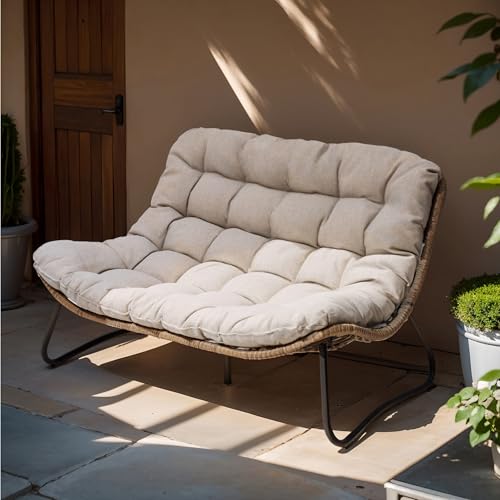
A covered patio chair is the workhorse of any sheltered seating area. Look for deep seats, supportive backs, and cushions made with quick-dry foam and solution-dyed acrylic covers. For taller users or extended lounging, a covered outdoor lounge chair adds recline and a longer seat pan. Pair two chairs with a side table for a conversation nook, or line up four around a low table for a family gathering zone.
Covered Chaise Lounges
A covered chaise lounge brings resort-style relaxation to a porch or pergola. Because the piece rarely faces direct rain, you can choose models with adjustable backrests, wheels, and thicker cushioning than exposed-deck loungers allow. Confirm that the frame material—powder-coated aluminum, teak, or resin wicker—matches the humidity level of your region.
Covered Swings and Porch Swings
Few pieces define a sheltered porch like a covered porch swing. Suspended from a roof beam, it becomes a focal point for slow mornings and evening conversations. A covered swing in a freestanding frame offers flexibility if your structure lacks a suitable beam. Prioritize galvanized or stainless hardware, and check the weight rating against the number of users you expect.
Complete Covered Sets and Sectionals
For larger sheltered areas, a coordinated set—sofa, chairs, coffee table—delivers visual cohesion and often better structural compatibility. Modular sectionals work especially well under a pergola because you can reconfigure seating as your needs change. If your layout is tight, consider a bistro configuration or a bench-and-chair pairing to keep circulation open.
| Furniture Type | Best For | Key Feature to Prioritize | Tier Guidance |
|---|---|---|---|
| Covered patio chair | Conversation nooks, reading corners | Quick-dry cushion core | Entry-level to mid-range |
| Covered lounge chair | Extended lounging, taller users | Adjustable recline and deep seat | Mid-range to premium |
| Covered chaise lounge | Poolside shelter, sunny porches | UV-stable fabric and wheels | Mid-range |
| Covered porch swing | Family porches, focal seating | Heavy-duty hanging hardware | Essential tier to high-end tier |
| Covered sectional set | Large sheltered patios | Modular configuration | Premium to luxury |
Best Materials for Sheltered Spaces
Under a roof, material choice shifts from "survive the storm" to "thrive in shade." Humidity and condensation become the primary concerns, so breathability matters as much as water resistance.
Frames
- Powder-coated aluminum: Lightweight, rust-resistant, and easy to reposition. A solid choice for most covered settings.
- Teak and acacia: Naturally weather-resistant woods that develop a silver patina under cover. Require occasional oiling if you prefer a warm tone.
- Resin wicker and rattan: UV-stabilized synthetic weaves resist fading and moisture, ideal for humid sheltered porches.
- Wrought iron: Heavy and stable, but demands a rust-proof finish in coastal or damp climates.
Cushions and Upholstery
Because covered furniture often uses thicker, more tailored cushions, pay attention to the core. Quick-dry foam with an open-cell structure lets moisture escape, while solution-dyed acrylic fabric holds color against indirect UV. A quality outdoor cushion guide can help you decode fill types and fabric ratings before you commit. If you plan to customize, custom outdoor cushions let you match dimensions and color to your covered set precisely.
Protection & Maintenance for Covered Furniture
Even under a roof, wind-driven rain, dust, pollen, and indirect UV take a toll. A proactive routine keeps covered outdoor furniture looking new and extends its service life.
Use Furniture Covers Strategically
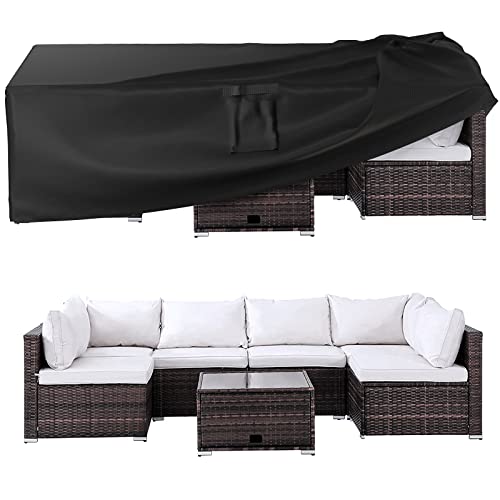
During off-seasons or stormy weeks, a fitted cover prevents grime buildup and protects against sideways rain. For a tailored fit, custom outdoor covers or custom canvas covers outperform generic tarps by allowing airflow. When winter arrives, review a dedicated winter covering guide to avoid trapping moisture that can freeze and crack frames.
Cushion Care and Storage
Bring cushions indoors during prolonged wet spells. A cushion storage solution—a deck box or ventilated bin—keeps them dry and pest-free. Rotate cushions periodically to distribute wear and prevent permanent compression in the foam.
Seasonal Cleaning
- Dust frames monthly with a microfiber cloth; use mild soap for sticky residue.
- Rinse fabric covers with a garden hose and air-dry fully before replacing cushions.
- Inspect hardware on swings and recliners each season; tighten bolts and replace worn straps.
- Touch up powder-coated frames with a matching paint pen to prevent corrosion at chips.
For a deeper seasonal routine, a weatherproofing guide outlines treatments for wood, metal, and fabric that suit sheltered environments without over-engineering the protection.
Layout & Design Tips for Covered Patios
A sheltered footprint often comes with fixed walls or posts, so planning circulation before you buy prevents costly returns. Start by measuring the usable area, then map walkways of at least three feet between seating groups.
- Anchor the focal point: A porch swing or chaise lounge draws the eye; arrange secondary seating around it.
- Respect the roofline: Low pergola beams may limit the height of swing frames or umbrella canopies—measure clearance first.
- Layer lighting and rugs: A defined rug zone visually separates dining from lounging; string lights add evening ambiance.
- Choose scale-appropriate pieces: A compact covered chair set suits narrow porches better than a bulky sectional.
- Plan for shade movement: If your cover is partial, place UV-sensitive pieces in the deepest shade.
If your sheltered area opens onto a larger deck, consider how the two zones connect. Coordinating materials across the threshold creates a seamless transition, while contrasting finishes can signal a deliberate change in function.
Buying Checklist for Covered Outdoor Furniture
Use this checklist to compare options systematically. It focuses on fit, function, and longevity rather than sales gimmicks.
- Measure twice: Record the length, width, and height clearance of your covered area, including door swings and post spacing.
- Confirm the exposure level: Is the piece fully roofed, partially sheltered, or near an open edge? Match material durability accordingly.
- Check the frame warranty: A multi-year structural warranty signals confidence in the build.
- Test cushion drainage: Look for quick-dry cores and removable, washable covers.
- Verify hardware: Stainless or galvanized fittings resist rust in humid, covered environments.
- Plan storage: Decide where cushions and covers will go during storms and off-season months.
- Compare tiers fairly: Entry-level pieces suit light use; mid-range models add better foam and smoother mechanisms; premium and luxury tiers focus on joinery, fabric longevity, and refined finishes.
When comparing brands, read the fine print on return policies and assembly requirements. A well-specified mid-range set often delivers better long-term satisfaction than an entry-level piece that needs replacing after two seasons.
Frequently Asked Questions
What is covered outdoor furniture?
Covered outdoor furniture refers to pieces designed for use under a roof, pergola, awning, or porch—such as covered patio chairs, covered chaise lounges, and covered swings. These items prioritize comfort and style while relying on overhead protection rather than full weatherproofing.
Do I still need patio furniture covers for covered outdoor furniture?
Yes. Even under a roof, wind-driven rain, dust, pollen, and UV exposure can degrade materials. Custom outdoor covers or quality canvas covers extend the life of your covered outdoor furniture and keep cushions clean between uses.
Which materials are best for covered patio furniture?
Wicker and rattan, powder-coated aluminum, teak, and high-grade synthetic resin all perform well under cover. For cushions, solution-dyed acrylic and quick-dry foam resist mildew in shaded, humid settings.
Can covered outdoor furniture be left outside all year?
Under a solid roof or pergola, most covered outdoor furniture handles year-round use in mild climates. In freezing or storm-prone regions, store cushions indoors and use breathable covers to prevent condensation and frost damage.