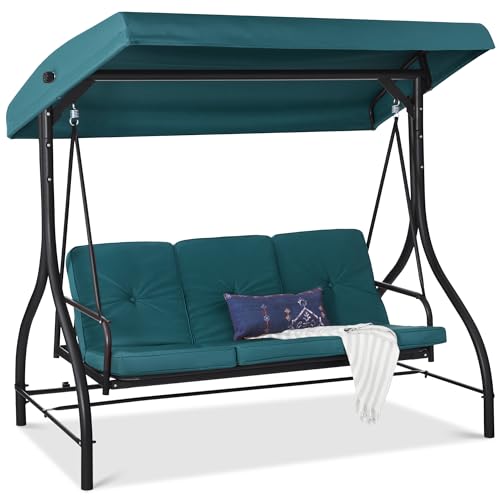
Covered Swing Buying Guide: Create a Shaded Outdoor Retreat
Everything you need to know about canopy swings — frame types, canopy fabrics, seating capacity, and placement tips for a comfortable, shaded spot in your yard.
START READINGWhy a covered swing? A canopy swing gives you the gentle motion of a traditional porch swing with the added benefit of built-in shade. It is a self-contained relaxation station that works on decks, patios, and lawns alike — no porch ceiling required.
What Is a Covered Swing?
A covered swing — also called a canopy swing or gazebo swing — is a freestanding outdoor seat that suspends a bench from an A-frame or arched frame, topped with a fabric or hard canopy. Unlike a porch swing that hangs from a ceiling, a covered swing is self-supporting, so you can place it almost anywhere with a level surface.
The canopy serves two practical purposes. First, it blocks direct sun, which keeps the seat cooler on hot afternoons and protects upholstery from UV fading. Second, it sheds light rain, extending the usable hours of your outdoor space. For households that want a shaded reading nook or a conversation spot without building a permanent structure, a covered swing is a smart, flexible choice.
These swings pair naturally with other shaded seating areas. If you are planning a larger layout, browse our patio planning resources to coordinate zones, and consider how a canopy swing complements a pergola or shade sail arrangement.
Frame Construction: Steel, Aluminum, and Wood
The frame is the backbone of any covered swing. It determines stability, weight capacity, and how much maintenance the piece needs over time.
Powder-Coated Steel
Steel frames are the most common choice in the mid-tier and high-end tier of the market. Powder coating creates a durable, rust-resistant finish that holds up well to seasonal weather. Steel is heavier than aluminum, which translates to a more planted feel — the swing is less likely to shift when someone sits down. Look for welded joints rather than bolted connections for the most solid build.
Powder-Coated Aluminum
Aluminum frames are lighter and naturally rust-proof, making them a strong fit for humid climates and coastal areas. Our guide to powder-coated aluminum outdoor furniture explains why this finish is favored for long-term outdoor use. Aluminum swings are easier to reposition, which is helpful if you like to move shade throughout the day.
Wood Frames
Wood — typically cedar, fir, or teak — offers a classic look that blends with garden settings. Wood requires periodic sealing to prevent cracking and rot, but a well-maintained wooden swing can last for many seasons. Teak is the top-tier choice for natural weather resistance, while painted fir is common in starter-tier models.
Canopy Fabrics and Weather Protection
The canopy is what makes a covered swing distinct, so its material deserves careful attention. Most canopies use a polyester or acrylic fabric treated for water resistance and UV protection.
- Polyester canopies are common in entry-level and mid-range models. They resist fading reasonably well and shed light rain, but may need replacement after a few seasons of intense sun.
- Acrylic canopies — often solution-dyed — hold color longer and resist mold better than standard polyester. They sit in the premium tier and are a worthwhile upgrade for sunny climates.
- Hard-top canopies made of metal or polycarbonate offer the most durable shade and the best rain protection, but they add weight and usually come at a higher tier.
Look for canopies with reinforced seams and a tension system that keeps fabric taut. A sagging canopy collects water and wears out faster. If your swing will sit in an exposed spot, consider pairing it with a patio umbrella for extra shade at peak sun angles.
Seating Capacity, Cushions, and Comfort
Covered swings generally seat two to three adults. Entry-level models are typically sized for two, while heavy-duty frames with reinforced hanging chains or springs comfortably support three. Always confirm the manufacturer's stated weight capacity and distribute weight evenly across the bench.
Comfort comes down to the seat and cushions. Many swings include removable cushions with ties; others use sling-style fabric seats. If you plan to add your own cushions, measure the seat depth and width first. Our guide to outdoor seat cushions covers sizing and fabric options that hold up outdoors.
For a coordinated seating area, a covered swing works well alongside porch chairs or a garden bench. If you want a matching restful corner, a porch rocker adds a second motion seat without duplicating the swing's footprint.
Placement and Space Planning
A covered swing needs a level, solid surface and enough clearance for the swing arc. As a rule of thumb, allow at least two feet of clearance behind the seat and three feet in front so the swing can move freely without bumping walls or railings.
On smaller patios, a covered swing can replace a full seating set and free up room for a dining zone. Our small patio layout guide shows how to position a swing without crowding the space. On a deck, anchor feet or weighted bases help prevent movement; check our patio deck planning tips for surface and anchoring considerations.
If your yard is large enough, the swing can anchor a quiet corner near plantings or a water feature, while a separate patio conversation set handles group seating. Ground the area with an outdoor rug to define the zone and add comfort underfoot.
Weather Resistance and Long-Term Care
Even weather-resistant swings benefit from routine care. Wipe down frames monthly during the season, tighten bolts and chains, and inspect the canopy for tears or loose seams. During off-season months, remove cushions and store the canopy indoors if possible.
For a deeper maintenance routine, see our outdoor weatherproofing guide. It covers fabric treatments, frame touch-ups, and cover selection. If your swing sits near a pool or in a humid region, prioritize aluminum or powder-coated steel frames and acrylic canopies for the best longevity.
Covered Swing Buying Checklist
Use this checklist before you commit to a model. It focuses on the factors that matter most for daily use and long-term satisfaction.
- Frame material: steel for a planted feel, aluminum for humid climates, wood for a classic garden look.
- Weight capacity: confirm the rated capacity matches how many people will use it.
- Canopy fabric: acrylic for sun resistance, polyester for balanced performance, hard-top for maximum durability.
- Seat dimensions: measure your available space and cushion sizes before ordering.
- Assembly requirements: check whether tools are included and how much setup is needed.
- Maintenance needs: wood requires sealing; metal frames need occasional touch-ups.
Frequently Asked Questions
What is a covered swing?
A covered swing is a freestanding outdoor seat that combines a swinging bench with an integrated canopy or roof. The canopy provides shade and light rain protection, making the swing usable in more weather conditions than an open bench.
How much weight can a covered swing hold?
Weight capacity varies by frame construction. Entry-level models typically support two adults, while heavy-duty steel or powder-coated aluminum frames often hold three adults comfortably. Always check the manufacturer's stated capacity and ensure the frame is rated for your intended use.
Do covered swings require assembly?
Most covered swings ship partially assembled and require some setup, typically attaching the canopy, assembling the frame, and mounting the seat. Assembly time usually ranges from thirty minutes to two hours depending on the model and included tools.
Can a covered swing stay outside in winter?
Many covered swings are weather-resistant, but prolonged exposure to snow and ice can degrade fabrics and finishes. For the longest lifespan, store the canopy and cushions indoors during harsh winters, or use a fitted cover if the swing must remain outside.