Outdoor Rug: The Complete Buying Guide for Patio and Deck Floors
An outdoor rug can tie a patio layout together, define a conversation zone, and add comfort underfoot. This guide covers sizing, materials, weather resistance, placement, and care so you can choose a rug that suits your space and survives the seasons.
Explore the GuideWhy an outdoor rug earns its place: It visually anchors furniture, softens hard flooring, and helps separate zones in an open patio. The right rug can make a small space feel intentional and a large space feel cohesive, provided the material and placement match your climate and traffic patterns.
Sizing: Matching the Rug to Your Furniture
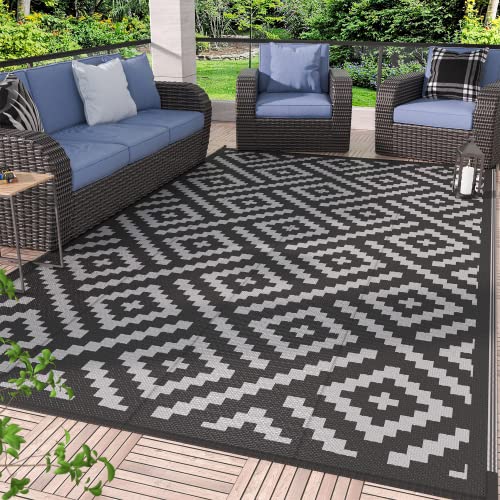
The most common mistake is choosing a rug that is too small. A rug should extend at least 6 to 12 inches beyond the front legs of your seating furniture, so chairs and sofas sit comfortably on the rug rather than balancing on its edge. For a full dining set, the rug should be large enough that all chairs remain on the rug even when pulled out.
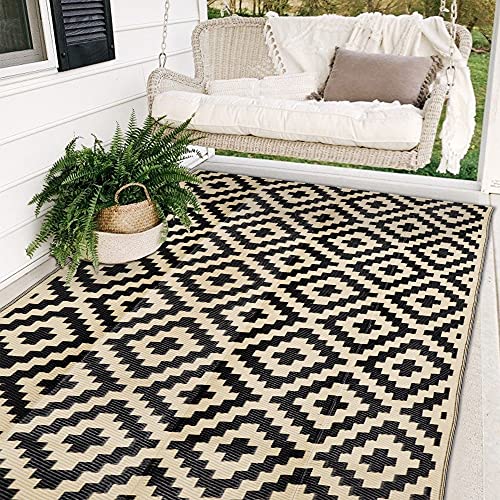
Common patio rug sizes range from about 5 x 8 feet for compact conversation sets to 8 x 10 feet or larger for combined lounge and dining areas. A long rectangular rug pairs naturally with a sofa and a rectangular outdoor coffee table, while a smaller round rug suits a bistro setup or a rattan round coffee table.
For tight spaces, measure carefully and consider a small patio idea with fire pit layout, since these often need rugs that stop short of the heat source. For a broader planning approach, review the general patio decor guide.
Materials: What Holds Up Outdoors
Outdoor rugs are built to resist moisture, UV damage, and mildew, but performance varies by material. Use the table below as a relative guide for how different tiers perform in real patios.
| Material Tier | Common Types | Best For |
|---|---|---|
| Entry-level | Basic polypropylene, thin woven plastic | Covered patios and seasonal setups where budget is a priority and traffic is light. |
| Mid-range | Higher-density polypropylene, treated polyester blends | Everyday family patios; good balance of durability and easy cleaning. |
| Premium | Solution-dyed polypropylene, recycled plastic with reinforced backing | Open decks and patios with strong sun; longer color retention and stain resistance. |
| High-end tier | Performance fibers with UV-resistant coatings, commercial-grade backing | High-traffic patios, coastal climates, and year-round exposure. |
Placement and Layout Tips
Where you place the rug matters as much as what you buy. On a covered patio, a rug anchors the seating and adds warmth. On an open deck, choose a rug with a breathable backing so moisture can escape, and consider a rug pad to reduce sliding. On grass or gravel, stabilize the rug with weighted corners or stakes.
Coordinate the rug with the rest of the layout. Pair it with outdoor sofas and outdoor side tables to define a clear seating area, or position it under a patio conversation set for small spaces to unify the furniture. For a dining zone, the rectangular patio dining sets guide covers how a rug should scale alongside the table and chairs.
For evening ambiance, layer in outdoor lighting or outdoor string lights. If your design leans relaxed and layered, the bohemian patio ideas pair naturally with patterned outdoor rugs and mixed textures.
Shopping Checklist Before You Buy
Use this quick list to narrow your options
- Measure the seating area and add 6 to 12 inches of overhang on the front legs.
- Confirm the rug size keeps all dining chairs on the rug when pulled out.
- Choose a UV-resistant material suitable for your sun exposure.
- Check for a backing that allows drainage or a non-slip grip.
- Match the rug color and pattern to the rest of the patio decor.
- Plan for a rug pad, weighted corners, or stakes depending on the surface.
- Review cleaning recommendations before committing.
Care and Seasonal Maintenance
Outdoor rugs are designed to be low maintenance, but routine care extends their life. Shake or vacuum the rug regularly to remove loose debris, hose it down occasionally, and use mild soap for stains. Avoid harsh chemicals that can break down UV-resistant coatings, and let the rug dry fully on both sides before placing it back.
In storm-prone areas, roll up lightweight rugs before severe weather. During winter, clean the rug thoroughly, dry it, and store it indoors in a dry location. For broader maintenance guidance, review the weatherproofing guide and patio furniture covers pages, both of which help protect the full patio zone.
If the rug sits near a pool, keep pool toys and accessories in a designated storage spot to avoid clutter on the rug. If cushions or fabrics need refreshing, the weather-resistant outdoor furniture cushions notes pair well with rug care.
Related Guides for Your Patio Setup
If you are still building out the space, coordinate your rug with seating from outdoor sectional for small spaces ideas, or add a bar cart for hosting. For compact patios, the space saving furniture guide is a useful companion. If you want to pull the design together with textiles, add outdoor throw pillows and throw pillows for contrast.
If you are refreshing the full zone, the patio essentials checklist provides a planning framework, and the natural wood tones guide helps coordinate the rug with wood furniture and decking.
Frequently Asked Questions
What size outdoor rug should I get for my patio?
A rug should typically extend at least 6 to 12 inches beyond the front legs of your seating furniture. Common sizes for patios range from 5 x 8 feet for small conversation areas to 8 x 10 feet or larger for full dining and lounge zones.
What material is best for an outdoor rug?
Polypropylene, recycled plastic, and treated polyester are the most common outdoor rug materials. They resist moisture, mold, and UV fading. Natural fibers like jute and sisal look attractive but degrade faster in wet climates.
Can an outdoor rug go on grass or gravel?
Yes, but the surface matters. On grass, moisture and uneven ground can accelerate wear and mold. On gravel, choose a rug with a reinforced backing and stake or weight it down. Use a rug pad where possible to improve drainage and stability.
How do I clean an outdoor rug?
Shake off loose debris, rinse with a hose, and use mild soap for stains. Avoid harsh chemicals that break down UV-resistant coatings. Let the rug dry fully on both sides before placing it back, and avoid folding it while wet.
Will an outdoor rug fade in the sun?
UV-resistant outdoor rugs are designed to resist fading, but all materials fade over time with prolonged sun exposure. Rotating the rug periodically and choosing solution-dyed materials helps extend color life.