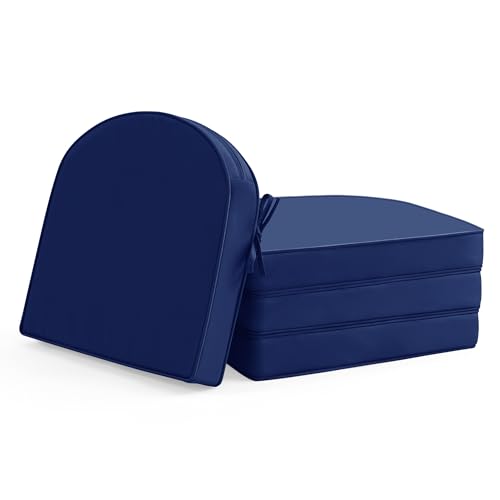
Weather Resistant Outdoor Furniture Cushions: The Complete Guide
Everything you need to know about choosing, maintaining, and storing weather resistant outdoor furniture cushions — so your patio stays comfortable and beautiful through every season.
Explore the GuideWhy this guide matters: Outdoor cushions are the most vulnerable part of your patio setup. Sun, rain, humidity, and mold can destroy ordinary cushions within a single season. This guide breaks down the fabric technologies, foam types, and care routines that separate genuinely weather resistant outdoor furniture cushions from ordinary ones — helping you make a confident, informed decision before you buy.
What Makes a Cushion "Weather Resistant"?
A weather resistant outdoor furniture cushion is engineered at three levels: the outer fabric, the filling, and the construction. The outer shell typically uses solution-dyed acrylic, olefin, or polyester blends treated with water-repellent finishes and UV stabilizers. These fabrics resist fading, repel light rain, and dry quickly. The filling — usually polyurethane foam, polyester fiber, or a quick-dry reticulated foam — is chosen for its ability to drain water and resist mildew growth.
It is important to distinguish between "water-resistant" and "waterproof." Water-resistant cushions repel water and handle light exposure well, while waterproof cushions use an impermeable barrier that blocks water entirely. Many premium cushions combine both: a water-repellent outer fabric with a waterproof inner liner. If you want a deeper technical breakdown, read our guide on weather resistant fabric for outdoor cushions.
UV Resistance
Solution-dyed acrylic fibers hold color deep within the fiber, resisting fading from prolonged sun exposure far better than surface-dyed fabrics.
Water Repellency
Fluoropolymer and silicone-based finishes cause water to bead and roll off, reducing saturation during unexpected showers.
Mold & Mildew Defense
Quick-dry foams and antimicrobial fabric treatments inhibit the growth of mold and mildew in humid climates.
Breathability
Breathable fabrics allow trapped moisture to escape, which is critical for preventing lingering dampness and odors.
Fabric Types Compared
Not all weather resistant fabrics perform equally. The table below compares the most common outdoor cushion fabrics by their strengths and ideal use cases. Use the tier descriptors to gauge relative market positioning — entry-level options focus on basic water repellency, while top-tier fabrics are engineered for multi-season exposure.
| Fabric | Tier Positioning | Best For | Key Strength |
|---|---|---|---|
| Polyester (treated) | Entry-level | Covered porches, occasional use | Light water repellency, broad color range |
| Olefin | Mid-range | Family patios, poolside seating | Excellent moisture resistance, quick-drying |
| Solution-dyed acrylic | Premium | Full-sun patios, year-round exposure | Superior UV fade resistance, long lifespan |
| Acrylic blends with waterproof liner | Luxury | High-end outdoor lounges, rainy climates | Combined water repellency plus full waterproof barrier |
Foam & Filling: The Hidden Factor
The fabric gets all the attention, but the filling determines how a cushion feels after a rainstorm. Standard polyurethane foam absorbs water and can stay damp for days — a recipe for mildew. Quick-dry reticulated foam has an open-cell structure that lets water drain almost immediately and air circulate freely. Polyester fiber fill is another weather-friendly option, though it tends to compress over time.
If your existing cushions have degraded foam, replacing them is often more practical than buying a whole new set. Our guide on waterproof replacement cushions for patio furniture walks through how to match dimensions and firmness to your existing frames.
How to Evaluate Weather Resistance Before Buying
- Check the fabric specification: Look for solution-dyed acrylic or olefin, and confirm the presence of a water-repellent finish.
- Inspect the construction: Piped seams and zippered covers indicate higher-grade construction; sealed inner liners add a waterproof layer.
- Ask about the foam: Quick-dry or reticulated foam is the hallmark of a serious weather resistant cushion.
- Review the warranty: Premium fabrics often carry multi-year fade and mildew warranties — a reliable signal of confidence in the product.
- Confirm colorfastness: Solution-dyed fibers are the strongest defense against UV fading over multiple seasons.
Maintenance That Extends Cushion Life
Even the best weather resistant outdoor furniture cushions benefit from routine care. Brush off loose debris weekly, and clean spills promptly with mild soap and water. For deeper cleaning, use a soft brush and a diluted mild detergent, then rinse thoroughly and allow the cushion to air-dry standing on edge so water drains freely. Avoid harsh bleach-based cleaners, which can degrade water-repellent finishes.
During heavy rain seasons, bring cushions inside or store them in a protected container when not in use. For a full seasonal routine, see our weatherproofing guide. If you use seat cushions on dining chairs or benches, the care principles in our weatherproof seat cushions guide apply directly.
Storage: The Most Overlooked Step
Proper storage is what separates cushions that last three seasons from those that last ten. The golden rule: never store cushions damp. Clean and fully dry them first, then place them in a breathable, waterproof storage solution. A waterproof outdoor storage box for cushions keeps rain out while allowing residual moisture to escape. For larger cushion collections or limited floor space, a waterproof outdoor vertical storage cabinet offers efficient organization.
If you prefer a dedicated solution near your seating area, a waterproof outdoor storage unit for patio cushions keeps cushions accessible and protected. And if security is a concern, a waterproof outdoor storage box with lock adds peace of mind. Elevate storage off the ground and keep it in a shaded, well-ventilated spot to avoid condensation buildup.
Matching Cushions to Your Furniture
Weather resistant cushions should fit your furniture's style as well as its dimensions. Wicker and rattan frames pair naturally with textured acrylic cushions — see our wicker couch cushions guide for sizing and style tips. For outdoor sofas, the cushion depth and seat height determine comfort; our weather resistant outdoor sofa overview explains how cushion proportions affect the overall seating experience. If you are refreshing a rocker, the weather resistant outdoor rocker chair cushion guide covers the specific fit considerations for curved frames.
Common Mistakes to Avoid
- Assuming "outdoor" means weatherproof: Many cushions labeled "outdoor" are only lightly treated and will degrade quickly in full exposure.
- Storing damp cushions in airtight containers: This traps moisture and accelerates mildew growth — always dry first.
- Ignoring the foam: A great fabric over standard foam still holds water; insist on quick-dry filling.
- Skipping seasonal cleaning: Dirt and pollen trap moisture against the fabric, reducing its water repellency over time.
- Leaving cushions out in heavy rain: Even premium cushions last longer when brought in during prolonged storms.
Frequently Asked Questions
What does weather resistant mean for outdoor furniture cushions?
Weather resistant outdoor furniture cushions are built with fabrics and foams that repel water, resist UV fading, and deter mold and mildew. They are designed to withstand sun, rain, and humidity while maintaining comfort and appearance over multiple seasons.
Are weather resistant cushions fully waterproof?
Not always. Weather resistant typically means water-repellent and quick-drying, while waterproof means water cannot penetrate at all. Many high-end outdoor cushions combine a water-repellent outer fabric with a waterproof inner liner for maximum protection.
How do I store outdoor cushions during off-season?
Clean and fully dry your cushions before storing them in a breathable, waterproof storage container or cabinet. Avoid sealing damp cushions in airtight bags, which traps moisture and encourages mildew. Elevate storage off the ground and keep it in a dry, shaded area.
How long do weather resistant outdoor cushions last?
Lifespan depends on fabric tier and care. Entry-level weather resistant cushions may last two to three seasons with proper maintenance, while premium and luxury solution-dyed acrylic cushions can last five to ten years or more when cleaned and stored correctly.
Ready to Upgrade Your Patio Comfort?
Browse our recommended weather resistant outdoor furniture cushions below and compare top-tier, mid-range, and essential options side by side.
See Recommended Cushions