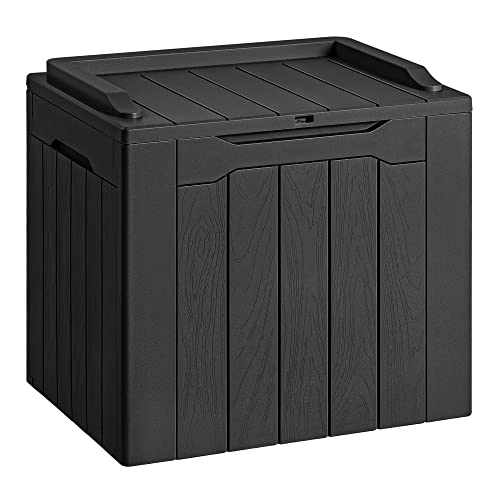
Waterproof Outdoor Storage Box for Cushions: The Complete Buying Guide
Protect your patio cushions from rain, sun, and pests. Learn how to choose the right waterproof storage box with the features that actually matter.
Why this guide matters: Patio cushions are among the most vulnerable outdoor investments. A single season of exposure to rain and humidity can lead to mold, fading, and collapsed foam. A properly specified waterproof storage box extends cushion life dramatically — but not all boxes are created equal. This guide walks you through the materials, seals, sizes, and features that separate a genuinely protective box from one that merely looks the part.
Why a Waterproof Storage Box Is Essential for Cushion Longevity
Outdoor cushions are designed to resist moisture, but "resistant" is not the same as "immune." Prolonged exposure to rain, morning dew, and high humidity breaks down fabric treatments, encourages mildew growth inside foam, and accelerates color fading. Even waterproof outdoor seat cushions benefit from proper storage when not in use.
A dedicated waterproof storage box solves three problems at once. First, it keeps cushions dry during unexpected rain. Second, it shields them from UV exposure that degrades fabric over time. Third, it keeps cushions clean and free of pollen, bird droppings, and pest nests. For homeowners who want to preserve the appearance and comfort of their outdoor seating, a storage box is not a luxury — it is a practical necessity.
If you have already invested in weather-resistant outdoor furniture cushions, storing them properly is the logical next step. The box you choose should match the quality of the cushions it protects.
Key Features to Look For in a Waterproof Cushion Storage Box
Not every box marketed as "waterproof" delivers real protection. The following features are the ones that genuinely matter when evaluating a waterproof storage box for patio cushions.
Sealed Lid with Gasket
A rubber or silicone gasket around the lid perimeter is the single most important waterproofing feature. Without a gasket, water will find its way in through capillary action and wind-driven rain.
Elevated Floor
The box floor should sit slightly above ground level to prevent water pooling underneath from seeping in. Look for feet, a recessed base, or a raised internal floor.
Rust-Proof Hardware
Hinges, latches, and screws should be stainless steel or coated to resist corrosion. Rusted hardware compromises the seal and stains cushions.
Ventilation (Controlled)
Some boxes include small vents with moisture barriers to allow airflow while blocking water. This prevents condensation buildup during temperature swings.
Lockable Lid
A lock hasp or integrated lock keeps contents secure and prevents the lid from lifting in high winds. A waterproof outdoor storage box with lock is especially useful in exposed areas.
UV-Stable Material
The box itself must resist sun damage. Resin and high-grade plastic with UV inhibitors will not become brittle or fade prematurely.
Materials Compared: Which Box Construction Is Right for You?
The material of the storage box determines its waterproofing reliability, durability, and maintenance requirements. Here is how the main options compare.
Resin and High-Grade Plastic
Resin boxes are the most common choice for cushion storage because they are inherently waterproof, will not rust or rot, and require almost no maintenance. Premium resin formulations resist UV degradation and temperature extremes. A weather-resistant outdoor storage cabinet made from quality resin is a reliable long-term solution. The main limitation is aesthetic — resin boxes look utilitarian compared to wood or metal.
Metal with Rust-Proof Finish
Steel or aluminum boxes with powder-coated or galvanized finishes offer a more furniture-like appearance and excellent structural strength. However, metal boxes depend heavily on seal integrity. Any scratch or chip in the coating can become a rust point. A weatherproof outdoor storage cabinet in metal requires periodic inspection of seals and touch-up of finishes.
Wood and Composite
Wooden storage benches and boxes look beautiful on a deck or patio, but solid wood is rarely truly waterproof without a liner or extensive sealing. Composite materials offer better moisture resistance than natural wood but still require a sealed lid and raised floor. A waterproof outdoor storage bench combines seating and storage but should be evaluated carefully for seal quality before trusting it with cushions.
Sizing Your Box: How to Measure Cushions Correctly
One of the most common buying mistakes is choosing a box that is too small. Cushions do not compress neatly; they need room to stack and breathe. Follow this measurement process:
- Stack your cushions the way you would store them — typically folded or flat-stacked.
- Measure the length, width, and height of the stack at its widest and tallest points.
- Add clearance — at least 2 to 3 inches on each dimension to allow easy loading and airflow.
- Check the opening — the lid opening must be large enough to pass the largest cushion through without forcing.
If you have a large sectional, consider a 150-gallon waterproof outdoor storage box or a waterproof outdoor storage box with wheels for easier repositioning. For compact balconies or small patios, a waterproof outdoor storage cabinet with shelves may offer more organized capacity in a vertical footprint.
Quality Tiers: Understanding What You Get at Each Level
Outdoor storage boxes fall into distinct quality tiers. This classification helps you set expectations for durability, sealing, and finish without relying on numeric comparisons.
| Tier | Best For | Typical Characteristics |
|---|---|---|
| Entry-Level | Occasional use, covered patios | Basic resin construction, simple lid without gasket, limited UV resistance. Suitable for short-term protection in sheltered locations. |
| Mid-Range | Regular use, exposed decks | Reinforced resin or coated metal, sealed lid with basic gasket, rust-proof hardware, decent UV stability. A solid choice for most homeowners. |
| Premium | Year-round outdoor exposure | Heavy-duty construction, dual-seal lid, elevated floor, lockable, high-grade UV-stable materials. Designed for long-term outdoor placement. |
| Luxury / Commercial-Grade | High-value cushions, hospitality use | Furniture-grade finish, precision seals, integrated ventilation, exceptional structural rigidity. Built to withstand continuous exposure and frequent use. |
For most residential settings, a mid-range box offers the best balance of protection and durability. If your patio is fully exposed to weather year-round, stepping up to premium construction is a worthwhile investment. A waterproof outdoor storage box in the premium tier will typically outlast two or three entry-level boxes, making it efficient in the long run.
Placement and Maintenance Tips for Maximum Protection
Even the best storage box needs proper placement and occasional maintenance to perform as intended.
- Place on a level, well-drained surface. Avoid low spots where water pools after rain.
- Keep the box out of direct sprinkler spray. Consistent water pressure against seals will eventually find weaknesses.
- Inspect gaskets seasonally. Clean with a damp cloth and replace if compressed, cracked, or discolored.
- Dry cushions before storage. Never store damp cushions — trapped moisture causes mildew even in a sealed box.
- Use a moisture absorber. A silica gel pack or rechargeable dehumidifier inside the box helps control condensation.
- Check hardware annually. Tighten hinges and lubricate latches to maintain seal compression.
For additional protection during extreme weather, consider pairing your storage box with weatherproofing treatments for the cushions themselves. And if your cushions are due for replacement, explore weatherproof outdoor furniture cushions that complement your storage strategy.
Common Mistakes to Avoid When Buying a Cushion Storage Box
Buyers frequently encounter the same pitfalls. Avoiding these mistakes will save time, frustration, and the disappointment of damaged cushions.
- Trusting "weather-resistant" as "waterproof." These are different standards. Weather-resistant means the box tolerates exposure; waterproof means it prevents water ingress.
- Ignoring the lid seal. A tight-looking lid without a gasket will leak in wind-driven rain.
- Underestimating cushion volume. Measure your actual stack, not individual cushions.
- Placing the box directly on grass or soil. Ground moisture wicks into the base. Use a concrete pad, deck, or gravel base.
- Forgetting wind security. A lightweight box with a loose lid can become a projectile in storms. Choose a lockable or weighted design.
- Skipping ventilation entirely. A perfectly sealed box with no airflow can develop condensation inside. Controlled ventilation is better than none.
If you are also storing other outdoor items, explore options like a waterproof storage container or waterproof storage containers outdoor lines for coordinating solutions. For a comprehensive overview of storage approaches, see our guide to waterproof outdoor storage for patio cushions.
Ready to Protect Your Cushions?
Browse our recommended waterproof storage boxes and compare features, sizes, and tiers to find the right fit for your patio setup.
Explore OptionsFrequently Asked Questions
What makes an outdoor storage box truly waterproof?
A truly waterproof outdoor storage box combines a sealed lid with a gasket, tight-fitting joints, and moisture-resistant materials. Look for features like rubber seals, elevated floors, and rust-proof hardware. Even premium boxes may need periodic seal inspection to maintain full waterproofing.
How large should a cushion storage box be?
Measure your cushions when stacked, then add a few inches of clearance on each side. A common mistake is ordering a box that fits cushions perfectly flat but cannot accommodate them when folded or stacked. Choose a box slightly larger than your measured stack to allow for airflow and easy loading.
Can I leave cushions in a waterproof box all winter?
Yes, but with precautions. Ensure cushions are completely dry before storage, place a moisture absorber inside the box, and check periodically for condensation. Even waterproof boxes can trap humidity, so ventilation and dry storage conditions matter.
What material is best for an outdoor cushion storage box?
Resin and high-grade plastic are the most reliable for waterproofing, as they will not rust or rot. Metal boxes with rust-proof finishes offer durability but require seal maintenance. Wooden boxes look attractive but need more weatherproofing care and are rarely fully waterproof without a liner.
Do I need a lock on my outdoor storage box?
A lock is recommended if the box is visible to passersby or if it stores valuable cushions. Lockable boxes also prevent children from opening them and keep lids secure in high winds. Look for boxes with integrated lock hasps rather than relying on external straps.