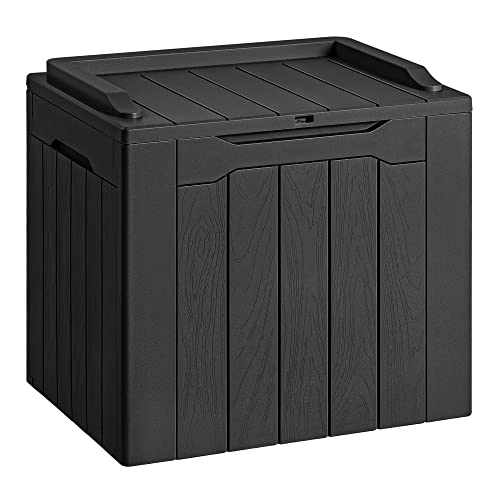
Waterproof Storage Box for Patio Cushions: The Complete Buying Guide
Keep your outdoor cushions dry, clean, and ready to use. Learn how to choose the right waterproof storage box for patio cushions with our expert buying guide.
EXPLORE TOP PICKSWhy this matters: Patio cushions are one of the most frequently replaced outdoor investments. Rain, morning dew, UV exposure, and nesting pests can break down foam and fabric faster than most homeowners expect. A properly sealed waterproof storage box for patio cushions is the single most effective way to extend cushion life — and this guide walks you through every decision point before you buy.
Why a Waterproof Storage Box for Patio Cushions Is Essential
Outdoor cushions are designed to handle the elements, but "weather-resistant" is not the same as "weatherproof." Prolonged moisture is the real enemy: it seeps into foam cores, encourages mildew on fabric, and eventually causes that musty smell that never quite washes out. A dedicated storage box solves this by giving cushions a dry, ventilated home between uses and during off-season months.
Beyond moisture, a good box also blocks UV rays that fade dyes, keeps debris and pollen off the fabric, and removes the temptation for insects and small animals to nest inside folded cushions. Homeowners who store cushions properly typically get several extra seasons of use out of the same set, which makes the box a genuinely practical long-term investment rather than an optional accessory.
If you are still deciding between storing cushions outdoors versus bringing them inside, the outdoor box is the middle ground — it keeps cushions accessible for daily use while still providing real protection. For a broader look at keeping outdoor pieces protected, see our guide to weatherproofing outdoor furniture.
Key Features to Look For
Not every box labeled "waterproof" actually performs in a real rainstorm. Focus on these structural details before comparing tiers.
Sealed Lid & Gasketed Seams
An overlapping lid with a rubber or foam gasket is the primary defense against driving rain. Boxes with a simple flat lid and no seal will let water in at the corners.
Raised Floor & Drainage
Look for an internal floor that sits above the deck surface, plus drainage channels. This prevents standing water from soaking the bottom cushions.
UV-Stabilized Material
Resin and high-density plastic should be UV-stabilized so the box itself does not fade, crack, or become brittle after a few summers in direct sun.
Ventilation Without Leaks
A small breathable vent or a loosely fitted lid design allows trapped humidity to escape — critical for preventing condensation inside the box.
Correct Interior Dimensions
Measure cushions folded or stacked and add two to four inches of clearance per side. Compression flattens foam; excess space lets cushions slide and crease.
Heavy-Duty Hardware
Stainless or rust-proof hinges, latches, and handles keep the box functional over time. Flimsy hardware is the first thing to fail in coastal or humid climates.
Types of Waterproof Cushion Storage Boxes
Storage boxes fall into a few broad formats. Each suits a different deck layout and usage pattern.
Deck Boxes (Standard Rectangular)
The most common format: a long, low rectangular box that doubles as a bench or side table. These work well on larger patios and can hold several folded cushions at once. If you also want seating utility, a waterproof outdoor storage bench offers the same protection with a place to sit. For high-capacity needs, a 150-gallon waterproof outdoor storage box handles a full cushion set plus throws and pillows.
Vertical Storage Cabinets
Tall, narrow cabinets are ideal for balconies, narrow side yards, and small patios where floor space is limited. A vertical outdoor storage cabinet stores cushions upright — which also helps them keep their shape. Shelved versions add organization; see our guide to waterproof outdoor storage cabinets with shelves for layouts that fit multiple cushion sizes.
Containers & Totes
Lighter, portable options suit renters or anyone who moves cushions between a shed and the patio. Compare formats in our overview of waterproof storage containers for outdoor use. For quick daily storage, a waterproof storage container with a secure lid is a practical, flexible choice.
Wheeled Boxes
If your box needs to move — for cleaning, lawn care, or seasonal repositioning — casters make a real difference. See waterproof outdoor storage boxes with wheels for mobility-focused models, and consider a lockable version if security matters: our guide to waterproof storage boxes with a lock covers latch and security options.
Material Comparison: Which Build Lasts?
Resin, high-density polyethylene, and metal each behave differently outdoors. This table uses market-tier descriptors instead of figures so it stays useful year after year.
| Material | Tier Positioning | Best For | Durability Notes |
|---|---|---|---|
| Molded Resin / HDPE | Essential to mid-tier | Everyday patio storage, humid climates | Rust-proof, UV-stabilized, low maintenance; solid choice for the category |
| Reinforced Plastic with Gasket | Mid-range | Heavy rain regions, long cushion sets | Sealed seams and raised floor improve water resistance substantially |
| Powder-Coated Metal | Premium | Design-forward decks, bench-style boxes | Heavy-duty construction; requires occasional inspection for coating wear |
| Teak / Acacia with Sealed Liner | High-end tier | Rustic and natural aesthetics | Long-term investment when properly sealed; liner is the waterproof layer |
| Commercial-Grade Storage Cabinet | Professional-grade | Large cushion inventories, shared spaces | Feature-rich for its class; built for frequent opening and closing |
How to Choose the Right Size
Size is where most buyers get it wrong. Follow this sequence:
- Measure folded cushions. Fold each cushion as you would store it — usually in half or thirds — and record length, width, and stacked height.
- Add clearance. Add two to four inches to each dimension. This prevents compression and makes cushions easy to remove.
- Measure your footprint. Tape the box's outer dimensions on your deck. Check doorways, gates, and stair turns if the box must pass through them.
- Confirm lid clearance. A hinged lid needs room to open fully without hitting a wall, railing, or pergola post.
For a full cushion set from a sofa and two chairs, a large deck box is usually the right call. For a single bench cushion, a compact container is more efficient. Our guide to waterproof outdoor storage for patio cushions includes sizing scenarios for common setups.
Placement and Maintenance Tips
Even the best box performs poorly if it sits in standing water or full afternoon sun. Place it on a level, well-drained surface — a small gravel pad or rubber feet work well. Keep it out of direct sprinkler spray, and check the seal and drain holes at the start of each season. Wipe the interior dry before storing cushions for long periods, and avoid sealing damp cushions inside, which traps moisture and encourages mildew.
For complementary protection during the season, pair your box with quality covers and cushion care habits. Our guides to waterproof patio furniture and weather-resistant outdoor furniture cushions explain how fabric and foam types interact with storage conditions.
Frequently Asked Questions
What size waterproof storage box do I need for patio cushions?
Measure your largest cushion when folded or stacked, then add at least two to four inches of clearance on every side. A box that is too tight forces compression that can flatten foam over time, while a box that is too large wastes deck space and allows cushions to shift during transport.
Are resin and plastic storage boxes truly waterproof?
High-density resin and molded plastic boxes are water-resistant by nature, but true waterproofing depends on the lid seal and how the box is assembled. Look for models with overlapping lids, gasketed seams, and raised floors so water cannot pool inside during heavy rain.
Can I leave patio cushions in a storage box all winter?
Only if the box is fully weatherproof, elevated off the ground, and located in a sheltered spot. Even then, inspect the cushions every few weeks for condensation. For long off-season storage, many homeowners bring cushions indoors and use the outdoor box for seasonal, everyday protection.
Should a patio cushion storage box have wheels or a lock?
Wheels are valuable if you move the box regularly or store it in a tight corner, while a lock adds security if the box sits near a public walkway or holds premium cushions. Prioritize the seal and size first; wheels and locks are secondary conveniences.
Ready to protect your patio cushions?
Browse our recommended waterproof storage boxes below — selected for seal quality, sizing range, and long-term durability.
VIEW RECOMMENDED PRODUCTS