
Waterproof Storage Container Guide: Protect Your Patio Gear Year-Round
Everything you need to know about choosing, sealing, and maintaining a waterproof storage container for cushions, tools, and outdoor essentials — from materials and sizing to locking features and seasonal care.
Why a Waterproof Storage Container Matters
Outdoor furniture cushions, throws, tools, and seasonal decor are exposed to rain, dew, humidity, and UV radiation. Without a dedicated storage solution, moisture becomes trapped inside fabric fibers, leading to mildew, fading, and structural breakdown. A well-built waterproof storage container solves that problem by creating a sealed microclimate that keeps contents dry between uses and through the off-season.
The benefits go beyond simple protection. A dedicated container extends the usable life of weather-resistant outdoor furniture cushions, keeps waterproof outdoor storage boxes organized, and reduces the need to move items indoors every time the forecast changes. For homeowners who treat their patio as an extension of the living room, a storage container is less of an accessory and more of a long-term investment in the furniture itself.
There is also a practical safety angle. Storing sharp garden tools, chemicals, and loose hardware in a sealed, lockable container keeps them out of reach of children and pets while also protecting them from rust and corrosion. If your patio doubles as an entertaining space, having a place to quickly tuck away clutter makes the transition from weekday to weekend effortless.
Waterproof vs. Water-Resistant: Know the Difference
These two terms are often used interchangeably in marketing, but they describe very different levels of protection. Understanding the distinction is the single most important step before buying any outdoor storage product.
- Water-resistant: The material slows water absorption but does not stop it completely. Prolonged rain, standing water, or high humidity will eventually penetrate. Suitable for covered porches and light drizzle.
- Waterproof: The material and construction prevent water from entering entirely, typically through sealed seams, gasketed lids, and non-porous surfaces. Designed for full outdoor exposure.
- Weatherproof: A broader claim that usually combines waterproofing with UV stabilization and freeze resistance. Look for this label on containers rated for year-round outdoor use.
A container marketed as water-resistant is fine for a sheltered balcony, but it will underperform on an open deck during storm season. Conversely, a truly waterproof container may be overkill for a covered porch where a simpler weather-resistant outdoor storage cabinet would suffice. Match the protection level to the exposure level of your space.
When comparing products, read the specification sheet rather than the headline claim. Look for terms like "gasketed lid," "sealed seams," "IP-rated," and "UV-stabilized resin." These are the technical markers that separate genuine waterproof construction from water-resistant marketing.
Container Materials Compared
The material determines durability, weight, appearance, and how well the container holds a seal over time. Each option has a distinct role in the market.
High-Grade Resin and Polypropylene
Resin containers are the most common waterproof option. Premium resin formulations resist UV fading, cracking, and warping, and they are lightweight enough to reposition. They work well for waterproof storage containers for outdoor use where frequent access and weather exposure are both concerns. Entry-level resin can become brittle in extreme cold, so check freeze ratings if you live in a harsh climate.
Marine-Grade Plastic
Often used in deck boxes and dock storage, marine-grade plastic is engineered for salt spray, sun, and temperature swings. It sits at the high-end tier for durability and is a strong choice for coastal properties or uncovered patios.
Powder-Coated Steel and Aluminum
Metal containers offer a furniture-like appearance and excellent structural rigidity. Heavy-duty powder coating provides a rust-proof finish, but any scratch that exposes bare metal becomes a corrosion point. Metal is best for covered areas or for buyers willing to touch up the finish annually. A weatherproof outdoor storage cabinet in powder-coated steel can double as a design feature on a porch.
Wood and Composite
Wooden storage benches and composite deck boxes blend into natural landscapes. Solid wood requires sealing and re-oiling, while composite materials resist rot and insects with far less upkeep. Neither is inherently waterproof without a liner, so pair wood containers with an internal waterproof bin if contents are sensitive to moisture.
| Material | Water Protection | Durability Tier | Best For |
|---|---|---|---|
| High-grade resin | Waterproof when gasketed | Mid-range to premium | Open decks, cushion storage, general gear |
| Marine-grade plastic | Waterproof | High-end tier | Coastal homes, year-round exposure |
| Powder-coated steel | Waterproof with sealed lid | Premium | Covered porches, furniture-style cabinets |
| Aluminum | Waterproof with gaskets | Mid-range to premium | Lightweight cabinets, modern patios |
| Wood | Water-resistant only | Entry-level to mid-range | Decorative benches, sheltered areas |
| Composite | Water-resistant to waterproof | Mid-range | Low-maintenance benches, garden storage |
Sealing Systems and Lid Design
Even the best material fails if the lid does not seal properly. The closure system is where most waterproof claims are won or lost.
Gasketed Lids
A rubber or silicone gasket around the lid perimeter creates a compression seal when closed. This is the gold standard for waterproof storage. Gaskets degrade over time, so premium models use replaceable gasket strips. Inspect gaskets seasonally for cracking or compression set.
Overlapping and Sloped Lids
An overlapping lid directs water away from the opening before it can reach the interior. A slight slope prevents pooling on the top surface. Many mid-range containers combine an overlapping lid with a gasket for layered protection.
Latching Mechanisms
Simple snap latches are adequate for light use. Heavy-duty cam latches or draw latches pull the lid down evenly, maintaining gasket compression across the full perimeter. For a lockable container, look for a molded hasp or a latch with a built-in lock receiver — a waterproof outdoor storage box with lock adds security without sacrificing the seal.
Ventilation and Drainage
Some containers include concealed vents or drainage channels. These are useful in humid climates but must be designed so that water cannot enter from outside. Avoid drilling your own drainage holes into a waterproof container unless the manufacturer specifically permits it, as this voids the seal.
Sizing for Cushions, Tools, and Gear
Capacity is usually expressed in gallons or cubic feet. The right size depends on what you plan to store and how often you need access.
Cushion Storage
Patio cushions are bulky and do not compress well. Measure the folded dimensions of your largest cushion and add a margin of several inches on each side. A waterproof outdoor storage box for patio cushions should be tall enough to avoid crushing the foam, which shortens cushion life. For larger sets, a waterproof outdoor storage box with 150-gallon capacity handles full seating groups.
Tools and Garden Gear
Long-handled tools require a container with adequate interior height, or a waterproof outdoor vertical storage cabinet that stores tools upright. Vertical cabinets also save floor space on narrow patios.
Mixed-Use Storage
If you store a combination of cushions, tools, and entertaining supplies, choose a container with internal dividers or add stackable bins inside. A waterproof outdoor storage cabinet with shelves keeps categories separated and makes retrieval faster.
Bench-Style Containers
Storage benches combine seating and containment, making them efficient for small spaces. A waterproof outdoor storage bench is a practical choice when floor space is limited and you want dual-purpose furniture.
Features Worth Considering
Beyond material and size, several features separate a container that works well from one that becomes a frustration.
- Lockability: A lockable latch protects valuable gear and keeps children out. Pair with a waterproof storage box with lock if security is a priority.
- Wheels and handles: Fully loaded containers become heavy. A waterproof outdoor storage box with wheels moves easily for cleaning or rearranging the patio.
- UV stabilization: Prevents fading and embrittlement. Essential for any container in direct sun.
- Stackability: Useful in compact spaces, but only stack containers designed for it — stacking an unrated box can compromise the lid seal.
- Soft-close hinges: A premium convenience that prevents lid slam and protects fingers.
- Interior liners: Removable liners make cleaning easier and add a second moisture barrier.
For buyers who want a furniture-grade solution rather than a utility box, a weatherproof storage cabinet with shelves offers organized, display-ready storage. For lighter-duty needs, a weatherproof storage bin can handle small items and seasonal decor.
Placement and Drainage Tips
How and where you place the container affects its performance as much as its construction.
- Elevate slightly: Set the container on a small platform, paver, or feet to keep the base out of standing water and allow airflow underneath.
- Avoid low spots: Position the container where water drains away from it, not toward it. Check the patio slope after rain.
- Face latches away from prevailing weather: Driving rain can force water into latch gaps. Orient the closure side away from the dominant wind direction.
- Leave clearance for lid swing: A container placed too close to a wall cannot open fully, which encourages users to force the lid and damage the gasket.
- Consider sun exposure: Even UV-stabilized materials last longer in partial shade. If the only available spot is full sun, prioritize high-grade resin or marine-grade plastic.
Seasonal Care and Maintenance
A waterproof container is not maintenance-free. A simple seasonal routine keeps the seal intact and the interior dry.
- Clean the gasket: Wipe the gasket with a damp cloth each season and inspect for cracks, grit, or compression set.
- Dry before closing: Never store damp items. Allow cushions to air-dry fully before placing them inside.
- Use desiccant packs: In humid climates, rechargeable silica packs absorb residual moisture and reduce musty odors.
- Check after storms: Open the container after heavy rain and confirm the interior is dry. Early detection prevents mildew.
- Treat metal annually: Touch up scratches on powder-coated steel to prevent corrosion from spreading.
- Store the container smartly in winter: If the container itself will sit unused through winter, clean it, dry it, and leave the lid slightly ajar during dry spells to prevent trapped humidity.
For a deeper seasonal routine, see our guide to weatherproofing outdoor furniture and storage.
Market Tiers at a Glance
Waterproof storage containers fall into broad market tiers based on construction quality, sealing technology, and features. Use this overview to align expectations with intended use.
| Tier | Typical Construction | Best For |
|---|---|---|
| Entry-level | Light resin, snap latches, water-resistant lid | Covered porches, light-duty storage |
| Mid-range | High-grade resin, gasketed lid, UV stabilization | Open decks, cushion storage, year-round patios |
| Premium | Marine-grade plastic or powder-coated metal, cam latches, lockable | Full weather exposure, security needs |
| Commercial-grade | Heavy-duty reinforced construction, replaceable gaskets | High-use patios, shared outdoor spaces |
A mid-range model typically offers a better long-term balance of sealing performance and durability than an entry-level unit, while premium and commercial-grade tiers add security and serviceability for demanding environments.
Frequently Asked Questions
What makes a storage container truly waterproof?
A truly waterproof container uses sealed seams, a gasketed lid, and non-porous materials such as high-grade resin or marine-grade plastic. "Waterproof" means water cannot penetrate at all, while "water-resistant" only slows absorption. Always check the specification sheet rather than the headline claim.
Can waterproof storage containers stay outside all winter?
Many premium and commercial-grade containers are designed for year-round outdoor exposure. Check the manufacturer rating for freeze resistance and UV stabilization before leaving a container outside through winter. In extreme cold, entry-level resin may become brittle.
How do I keep moisture out of an outdoor storage box?
Use a gasketed lid, add a desiccant pack, raise the box slightly off the ground, and never store damp items. Ventilation during dry weather also helps prevent trapped humidity. Inspect the gasket each season for wear.
Are waterproof storage containers lockable?
Many mid-range and premium models include a lockable latch or hasp. Check whether the lock is integrated or requires a separate padlock before choosing a model. Lockability is especially valuable if you store tools or electronics outdoors.
What size container do I need for patio cushions?
Measure your folded cushions and add several inches of clearance on each side. A container that is too shallow will crush the foam and shorten cushion life. For full seating sets, a high-capacity box designed specifically for cushions is the safer choice.
Is a waterproof storage container worth the investment?
For anyone storing cushions, tools, or electronics outdoors, yes. A sealed container protects items that would otherwise degrade from moisture and UV exposure, making it an efficient long-term investment in the furniture and gear you already own.
Recommended Waterproof Storage Containers
⚠️ AFFILIATE DISCLOSURE: This website contains affiliate links. As an Amazon Associate, we earn from qualifying purchases. If you make a purchase through these links, we may receive a small commission at no additional cost to you. Read our full affiliate policy.
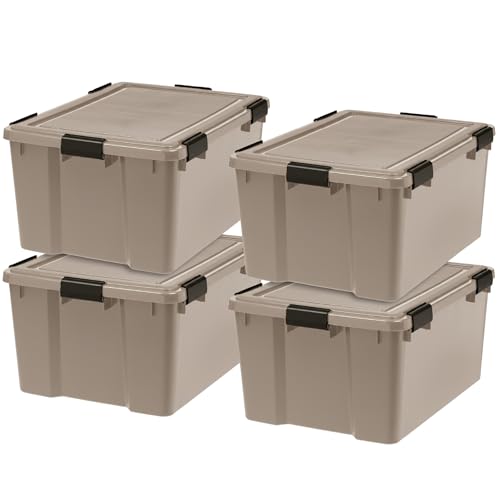
IRIS USA 4-Pack 63 Qt Storage Bins with Gasket Lids, Tan | WeatherPro seal helps protect bulky items for moving, garage, attic and basement storage
Check price on Amazon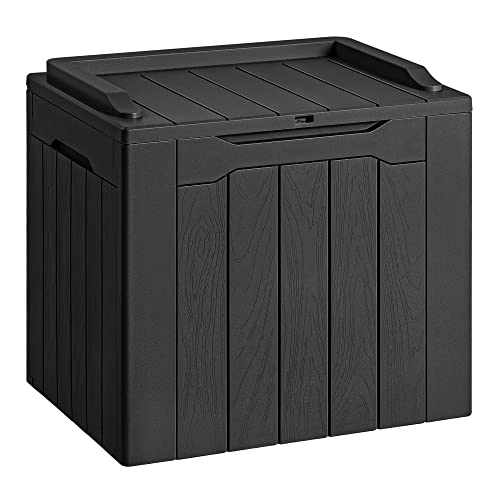
Devoko 30 Gallon Resin Deck Box Waterproof Outdoor Storage Box for Patio Furniture Pool Accessories Indoor Storage for Cushion Garden Tools (30 Gallon, Black)
Check price on Amazon
Keter Westwood 150 Gal Outdoor Storage Box for Patio and Pool Accessories | Brown, Resin, Large, Waterproof, Lockable, Easy Lift Pistons, Easy Assembly, Organization, Patio Cushions Storage
Check price on Amazon
Plano Storage Trunk - 108 Quart w/ Wheels (1819) - Hunter Green
Check price on Amazon
2 Pack 54 Qt Waterproof Storage Bins with Lids, Clear Stackable Containers | Dustproof silicone gasket seal, secure wide latches, comfort-grip handles, stackable design for versatile storage needs
Check price on Amazon
Sterilite 54 Qt Gasket Box, Stackable Storage Bin with Latching Lid and Tight Seal, Plastic Container to Organize Basement, Clear Base and Lid, 1-Pack
Check price on Amazon
IRIS USA 4-Pack 74 Qt Storage Bins with Gasket Lids, Black/Red | WeatherPro seal helps protect bulky items for moving, garage, attic and basement storage
Check price on Amazon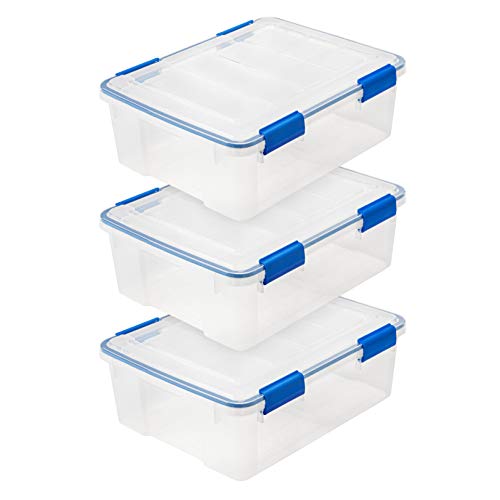
IRIS USA 3-Pack 26.5 Qt Storage Bins with Gasket Lids, Clear/Blue | WeatherPro seal protects everyday essentials in closets, offices and laundry rooms
Check price on AmazonReady to Protect Your Patio Gear?
Explore our curated selection of waterproof storage containers above, or continue learning with related guides on cushion care, weatherproofing, and outdoor storage organization.
View Storage Container Options