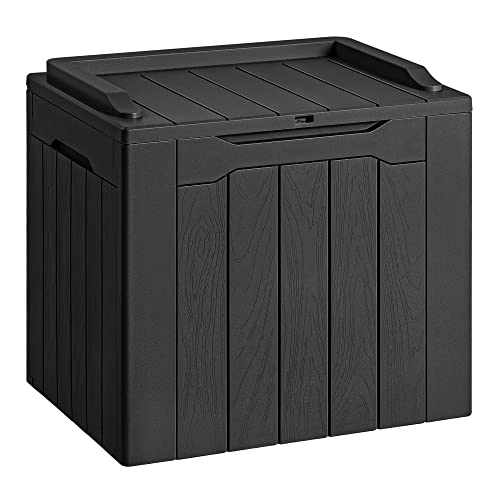
Waterproof Outdoor Storage Box for Patio Cushions
Protect your cushions from rain, sun, and pests with the right weatherproof storage solution. Here is everything you need to know before you choose.
Why this matters: Patio cushions are one of the most frequently replaced outdoor items, and moisture is the leading cause of mold, mildew, and fabric breakdown. A properly sealed waterproof storage box keeps your cushions dry, extends their lifespan, and keeps your patio looking tidy between seasons.
Sizing: Match the Box to Your Cushion Set
Before comparing features, measure your folded cushions and stack them the way you plan to store them. A storage box that is too small forces compression that creases foam and traps moisture in fabric folds. A box that is too large wastes deck space and can feel unstable in wind.
As a general rule, add roughly two to three inches of clearance on each side so air can move around the cushions. If you have a full dining set with six seat cushions and back cushions, a 150-gallon waterproof storage box is a common capacity that comfortably holds a complete set. For smaller lounge areas, a waterproof outdoor storage bench doubles as seating and storage, which suits compact patios and balconies.
Tall back cushions and rolled lumbar pillows need vertical clearance. A tall outdoor storage cabinet with shelves lets you stand cushions upright, which helps them dry faster and prevents flat spots. For smaller collections, an outdoor vertical storage cabinet keeps items organized without taking up much floor space.
If you are still building out your seating area, it helps to know your cushion dimensions before you buy storage. Our guides to sofa replacement cushions and waterproof outdoor seat cushions explain standard sizing and how cushions are measured.
Materials: What Makes a Storage Box Truly Waterproof
Waterproofing is not a single feature; it is the result of several design decisions working together. Look for these characteristics:
- Sealed lid with overlap: A lid that overlaps the box body and sits inside a raised lip sheds water away from the opening. Flat lids with gaps are the most common failure point.
- Rust-proof or rust-resistant hardware: Hinges, latches, and screws should be stainless steel or coated hardware. If rust is already appearing on your existing storage, our guide to rust removal can help you salvage it.
- UV-stabilized resin or heavy-duty polypropylene: These materials resist fading and cracking from sun exposure and will not rot like wood. Resin also stays cooler in direct sun, which reduces condensation inside.
- Ventilation channels: A fully sealed box can trap humid air. Small vented panels or built-in airflow gaps let moisture escape while keeping rain out.
- Elevated base: Feet or a recessed bottom lift the box off wet decking, preventing water wicking up through the floor.
If you are choosing between materials for your wider outdoor setup, our guide to waterproof material for garden furniture covers how resin, fabric, and metal behave outdoors over time.
Types of Cushion Storage Boxes
There is no single best format; the right one depends on how much you store and where the box will live.
- Deck boxes: The most common format for patio cushions. Wide, low, and often with a bench-top lid. Best for medium sets on a deck or patio.
- Storage benches: Combine seating and storage. Ideal for small patios where every square foot must work twice. The outside storage boxes guide covers the range of bench-style options.
- Tall cabinets: Best for upright storage of back cushions and for organizing smaller items like covers, ties, and clips.
- Heavy-duty commercial-grade boxes: Reinforced walls and locking lids for large collections or windy, exposed locations.
Whichever type you choose, keep the box on a covered porch or under a shade structure when possible. A screened-in deck or pergola reduces direct rain exposure and dramatically extends the life of both the box and the cushions inside.
Storage Box Tiers: What to Expect at Each Level
To compare options without focusing on numbers, it helps to think in tiers. The table below describes what each tier generally delivers.
| Tier | Best For | Typical Characteristics |
|---|---|---|
| Entry-level | Small cushion sets, covered patios | Lightweight resin, basic lid overlap, adequate for light rain |
| Mid-range | Full dining or lounge sets, exposed decks | Thicker walls, sealed lid, stainless hardware, some ventilation |
| Premium / high-end tier | Large collections, year-round exposure | Reinforced frame, full weather seal, UV-stabilized panels, locking lid |
| Commercial-grade | High-use patios, shared spaces | Heavy-duty construction, tamper-resistant latches, designed for constant use |
Mid-range boxes are usually the sweet spot for homeowners: they offer a genuinely sealed lid and rust-resistant hardware without the bulk of a commercial unit. Entry-level boxes can work well if your patio is covered, while premium and commercial tiers make sense for exposed locations and large cushion inventories.
Placement and Drainage
Even the best box performs poorly in standing water. Place the box on a hard, level surface such as concrete, composite decking, or pavers, and make sure the area drains away from the box. If your patio pools water after rain, address drainage first or elevate the box on a slatted platform.
Keep the box out of direct, all-day sun where possible. UV exposure fades resin and heats the interior, which can cause condensation when temperatures drop at night. Under a patio umbrella or beside a shade structure is a good compromise between convenience and protection.
Finally, avoid placing the box where sprinklers hit it. Constant spray defeats any lid seal over time and accelerates wear on hinges and latches.
Cushion Care Before and After Storage
Storage works best when cushions go in dry. Before putting cushions away:
- Brush off loose dirt and debris.
- Let cushions air dry fully in the sun; never store damp cushions.
- Wipe down the inside of the box and leave the lid open for an hour on a dry day.
- Place a moisture-absorbing pack inside if the box will be closed for weeks.
Fabrics benefit from regular cleaning, which removes oils and pollen that hold moisture. Our guides to waterproof outdoor fabric and waterproof seat cushions explain how to clean and re-treat outdoor fabrics so they stay water-repellent.
If your cushions are nearing the end of their life, replacement may be the smarter move than storing worn fabric. Our sofa replacement cushion guide covers how to match sizes and firmness.
Other Storage and Organization Ideas
Cushions are usually the bulkiest item, but a well-organized patio also needs a place for covers, ties, small tools, and seasonal decor. Pairing a cushion box with a smaller cabinet keeps everything in one zone. Our overview of outside storage boxes covers the main formats and how they complement each other.
If you are planning a larger outdoor room, consider how storage fits into the overall layout. Guides to round patio furniture and wicker patio furniture can help you visualize where a storage bench or deck box fits naturally alongside seating.
Frequently Asked Questions
Can I leave patio cushions in a waterproof box all winter?
Yes, provided the cushions are completely dry before storage and the box is in a location that does not collect standing water. Check the box once a month during wet months and air it out on a dry day. In regions with heavy snow, consider moving the box to a covered area or bringing cushions indoors for the coldest months.
Is a storage bench as waterproof as a dedicated deck box?
Quality varies. A well-built storage bench with a sealed, overlapping lid performs comparably to a deck box. Benches with flat lids and large gaps are less protective. Read the product specifications for lid design, hardware material, and ventilation before choosing.
How do I stop mold from forming inside the box?
Moisture is the cause, so focus on keeping cushions dry before storage and on allowing airflow. Choose a box with vented panels, open the lid periodically on dry days, and use a moisture absorber if the box stays closed for long periods. Never store cushions that are still damp.
Will a storage box fade in the sun?
UV-stabilized resin resists fading far better than untreated plastic. Even so, all outdoor plastics gradually change with years of direct sun. Placing the box in partial shade and rinsing it occasionally to remove dust helps preserve its appearance.
Can I lock a patio cushion storage box?
Many mid-range and premium boxes include a lockable latch or a hasp that accepts a padlock. Locking is useful for shared spaces and for keeping children out of boxes that contain tools or chemicals. Check the product details for lock compatibility.
Next step: Measure your cushion stack, decide whether you need a bench, deck box, or tall cabinet, and then compare tiers based on how exposed your patio is. If you are still choosing furniture for the space, start with our waterproof outdoor storage bench guide and the outside storage boxes overview.